Kenyans Rank AI as the Top Priority for Education: What Schools Should Do Now
Seven in ten Kenyan adults say schools must prepare learners for artificial intelligence and automation-now, not later. A Cambridge University Press & Assessment report, based on a nationally representative YouGov survey of more than 1,000 Kenyan adults, puts AI ahead of other major issues: mental health and pandemics (49%), cybersecurity (38%), and climate change (32%).
The message is clear: technology is already embedded in daily life-from mobile payments to online learning-and education has to keep pace. But it's not about teaching the tool of the week. It's about building durable human skills around those tools.
AI Priority, Human-Centered Practice
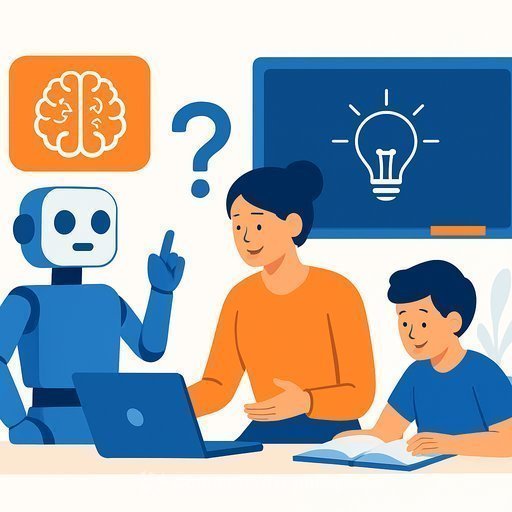
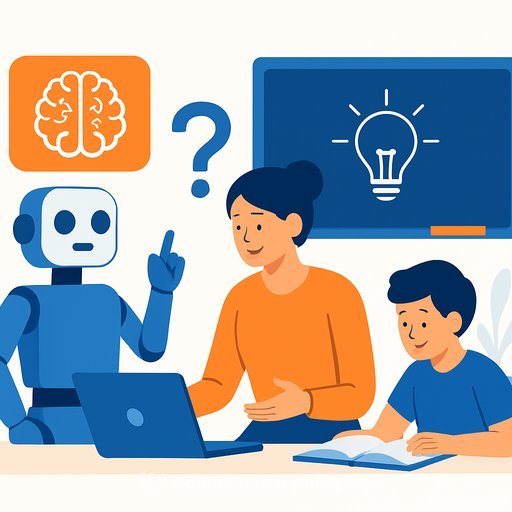
The report argues for a simple balance: teach students to use AI, while doubling down on what makes people valuable. Tools come and go. Critical thinking, ethical judgment, and strong communication don't.
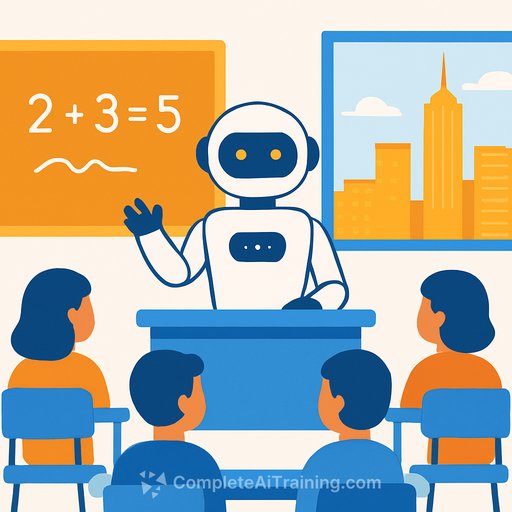
There's also a warning. If technology substitutes for teachers, systems drift into a two-tier setup: some students learn with skilled educators using tech well; others are left to self-serve on platforms with little guidance. That gap widens inequality.
What Educators Can Do This Term
- Set an AI-use policy: clarify approved tools, acceptable use, data privacy, and academic integrity. Share it with staff, students, and parents.
- Teach AI literacy, not just tools: prompts, checking AI outputs, bias awareness, data ethics, and when to turn AI off.
- Protect time for teachers: create planning slots to test AI for feedback, differentiation, and administrative tasks.
- Assess process, not just product: use portfolios, oral defenses, and version histories to see student thinking.
- Keep humans in the loop: pair teacher instruction with AI support-never AI alone.
- Address equity: ensure access to devices/connectivity and provide offline alternatives and school-based access points.
- Guard privacy: avoid uploading sensitive student data into public models; prefer vetted tools with clear data policies.
Curriculum Moves That Age Well
- Primary: curiosity-led projects, clear writing, media literacy, early digital safety, basic prompt skills. AI Learning Path for Primary School Teachers
- Lower secondary: data basics, source evaluation, structured problem-solving, collaborative projects with AI as a support tool.
- Upper secondary/TVET: workflow automation, AI-assisted research, domain-specific tools, and ethics cases tied to local contexts.
Classroom Use Cases That Work
- Feedback: use AI to draft formative comments; teachers refine and personalize.
- Differentiation: generate leveled texts or practice sets; verify accuracy before use.
- Planning: produce lesson outlines and rubrics; adapt to standards and community needs.
- Language support: offer quick translations and vocabulary scaffolds; check for nuance. AI Translation
Assessment and Integrity
- Be explicit about allowed AI use per task and why.
- Design assignments that require personal reflection, local data, or in-class components.
- Teach citation for AI outputs and model good practice.
Leadership Priorities for the Next 6-12 Months
- Professional learning plan: start with AI basics for all staff, then role-specific training.
- Governance: adopt clear procurement and data-protection checks for AI tools.
- Infrastructure: reliable connectivity, shared devices, and low-bandwidth fallbacks.
- Monitoring: run small pilots, gather evidence of impact, scale what works.
The survey places Kenya squarely in a global discussion on how schools respond to fast technological change. The takeaway: keep teachers at the center, build human strengths, and use AI to extend-not replace-great teaching.
Further Reading and Practical Resources
- UNESCO: AI in Education for policy guidance and teacher resources.
- YouGov for methodology and survey insights.
- AI Research for related studies and analysis on AI in education.
Your membership also unlocks: