Commercial Property Owners Face New Liability Risks From AI Systems
Property owners and managers are deploying artificial intelligence across their portfolios-automating building systems, screening tenants, predicting maintenance needs, and managing leases. These tools cut costs and improve operations. They also create legal and financial exposure that most property professionals have not yet addressed.
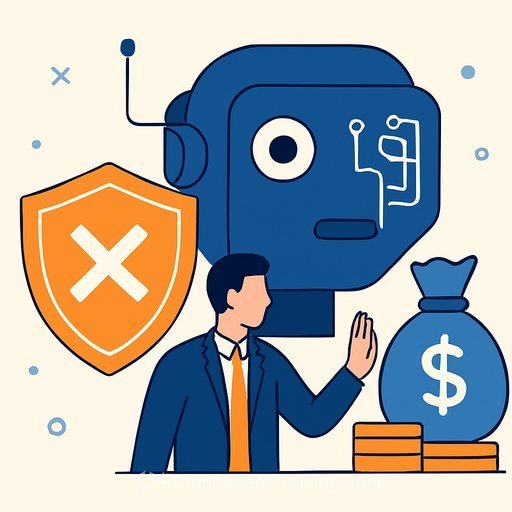
The risks fall into seven categories: cybersecurity breaches, algorithmic bias in tenant selection, liability from autonomous decisions, inaccurate predictions that disrupt operations, vendor failures, regulatory violations, and reputational damage from AI errors or misuse.
Where AI Creates Exposure
Building automation systems connected to the internet become targets for hackers. Tenant screening algorithms can discriminate based on protected characteristics, exposing owners to fair housing lawsuits. Predictive maintenance models that fail can allow critical systems to degrade. Lease management platforms store sensitive financial and personal data vulnerable to breach.
Third-party AI vendors-property tech companies, analytics firms, building system providers-introduce additional risk. If a vendor's system fails, gets hacked, or produces biased results, the property owner often bears the liability.
Insurance and Contracts Need Updating
Standard commercial property insurance policies do not cover AI-specific losses. Property owners should obtain cyber liability coverage and technology errors and omissions (E&O) insurance that explicitly covers AI systems.
Vendor contracts must include service level agreements (SLAs) specifying uptime, data security standards, and incident response procedures. Contracts should require vendors to maintain cyber insurance, conduct regular security audits, and provide audit logs for compliance reviews.
Owners should negotiate indemnification clauses that hold vendors responsible for losses caused by their AI systems and require vendors to notify owners immediately of security breaches or system failures.
Practical Steps for Property Teams
Govern AI use internally. Assign responsibility for AI oversight. Document which systems are in use, what data they process, and how decisions are made. Maintain audit trails showing when and why the AI made each decision.
Audit for bias and accuracy. Test tenant screening algorithms and underwriting models for disparate impact on protected groups. Verify that predictive maintenance models actually catch problems before they occur. Run these audits annually or when the model changes.
Strengthen cybersecurity. Segment AI systems from other networks. Use multi-factor authentication. Encrypt data at rest and in transit. Require vendors to follow the same standards.
Keep humans in control of critical decisions. AI can recommend actions-which tenants to screen further, which systems to service, which properties to refinance-but humans should make final decisions, especially on tenant selection and lease terms.
Train staff. Property managers and leasing agents need to understand how AI systems work, what their limits are, and when to override recommendations. They also need to recognize when an AI decision might violate fair housing law.
Prepare for incidents. Create a plan for responding to AI system failures, data breaches, or discrimination claims. Know who to notify, what to communicate, and how to restore operations quickly.
Compliance and Documentation
Some jurisdictions now require disclosure when AI is used in tenant screening or hiring. Document your AI use and keep records showing that you tested systems for bias and maintained human oversight. These records become critical evidence if you face a lawsuit.
Regulatory agencies are beginning to scrutinize AI use in housing and lending. Property owners using AI for underwriting or tenant selection should monitor guidance from the Consumer Financial Protection Bureau, HUD, and state attorneys general.
The Bottom Line
AI creates real operational value for property owners. It also creates real legal risk. The owners who manage both-who deploy AI thoughtfully, document its use, maintain human oversight, and carry appropriate insurance-will protect their assets and avoid costly mistakes.
For more on how AI is transforming real estate operations, see AI for Real Estate & Construction. For coverage decisions and risk management, explore AI for Insurance.
Your membership also unlocks: