How Pine Park Health used AI voice agents to reclaim MA time and boost daily visits
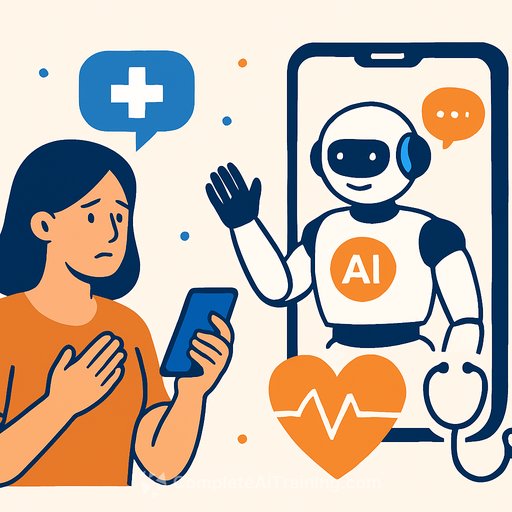
Pine Park Health, an in-home primary care group in Berkeley, serves older adults who prefer phone calls. Scheduling requests alone make up 19% of inbound volume. That workload pulled medical assistants (MAs) away from care coordination work that actually moves the needle for patients - a practical example of AI for Healthcare in operations.
Each call took about four minutes, including preparation, documentation and follow-up. On busy days, thorough charting was the first thing to slip. In a mobile model-providers driving to two senior living communities per day-no-shows were costly and created churn across the team.
The challenge
Mobile care is unforgiving: if a patient cancels last minute, that slot is hard to fill before the clinician leaves the building. Delays in care for high-need seniors compound risk, and rescheduling triggers more inbound and outbound loops. Pine Park knew they had to tighten scheduling, reminders and documentation to improve both access and revenue per PCP per day.
They also track patient experience after every visit. Net Promoter Score data showed that how well the team books, changes and arrives on time is a top driver of satisfaction and referrals. For growth, operational consistency mattered.
Why they moved to AI voice
In 2024, the team tried building their own AI call stack after success with ambient dictation. Real-time telephony and voice quality weren't clinic-ready. They paused, then in 2025 evaluated vendors and selected Retell AI.
Three reasons stood out: self-serve tools so ops leaders could tweak flows fast, flexible pay-as-you-go pricing, and hands-on onboarding. The vendor's team interviewed Pine Park staff to map patient needs, edge cases and success metrics.
What they built
Pine Park launched two AI voice agents:
- "Ava" (reminders): Calls two days ahead, verifies with date of birth, cancels or reschedules on request, asks for visit focus, uses Text-To-Speech for natural-sounding reminders, and drops a phone note directly into the chart. Escalates to a live agent if confusion or frustration pops up.
- "Jay" (proactive scheduling): Scans two weeks ahead for open slots, matches them to residents who are overdue, builds a call list with simple heuristics, verifies identity and writes call notes back to the chart.
How they rolled it out
The team piloted slowly. They hand-picked calls, manually triggered them, then reviewed every transcript and recording - validating the Speech-To-Text outputs - and iterated on prompts. Over months, they adjusted prompts, slowed pacing for older adults, and trained MAs to act on transcripts and handle escalations.
Once confident, they turned on full reminder automation and let the proactive scheduler run continuously.
Results that matter
- 2.1 FTE of MA time returned to care coordination. No layoffs-time was redirected to higher-value work like medication refills, referrals and chart prep.
- 55.7% booking rate for connected calls by the proactive agent, filling open slots and lifting visits per day in a mobile care model.
The side effect: better documentation quality on calls and cleaner handoffs to PCPs because every conversation leaves a chart note.
Playbook for healthcare leaders
- Quantify the workload. Time your common call types (prep + handle + documentation). A four-minute average adds up fast.
- Start with reminders and simple scheduling flows. High volume, clear rules, low clinical risk.
- Require EHR write-back. If it's not in the chart, it doesn't help the team.
- Build clear escalation rules. Confusion, upset, or any clinical question goes to a human.
- Pilot with manual triggers. Review transcripts daily. Tune prompts and pacing for seniors.
- Train MAs on transcript review. Make it part of the daily rhythm to act on updates quickly.
- Measure what the CFO and CMO care about: FTE returned, no-show rate, visits per day, and patient satisfaction.
Key numbers
- 19% of inbound calls were scheduling-related.
- ~4 minutes per call including documentation.
- 2.1 FTE given back to the MA team through automated reminders.
- 55.7% booking rate from proactive outreach that fills open slots.
Why this works in senior care
Older adults still prefer the phone. Voice agents meet patients where they are while keeping humans on standby for anything nuanced. Add disciplined documentation and you get fewer no-shows, tighter schedules and better-prepped PCPs on site.
Resources
- What Net Promoter Score measures and why it matters
- Practical AI training by job role
Quote
Michael Tadlock, COO, Pine Park Health: "Since Ava took over reminder calls, we have given approximately 2.1 FTE back to our medical assistant team. Jay's proactive scheduling is filling open slots and increasing visits per day."
Your membership also unlocks: