ASEE Middle Atlantic Conference Puts AI at the Center of Engineering Education
In fall 2025, the Middle Atlantic section of the American Society for Engineering Education (ASEE) met at the Charles B. Wang Center to focus on how artificial intelligence is changing engineering education. Gary Halada from the Department of Materials Science and Chemical Engineering led the effort to bring the meeting together.
His aim was simple and practical: get educators, students, and interested professionals in one room to talk through what's working, what's not, and what needs to change. "The goal was basically to get educators, students and people who were interested together to talk about important issues in engineering education," Halada said.
Why this meeting mattered
ASEE regional sections host two conferences each year, one in the fall and one in the spring. Last fall's theme zeroed in on the role of AI in engineering education across New York, Pennsylvania, New Jersey, Delaware, and Washington, D.C.
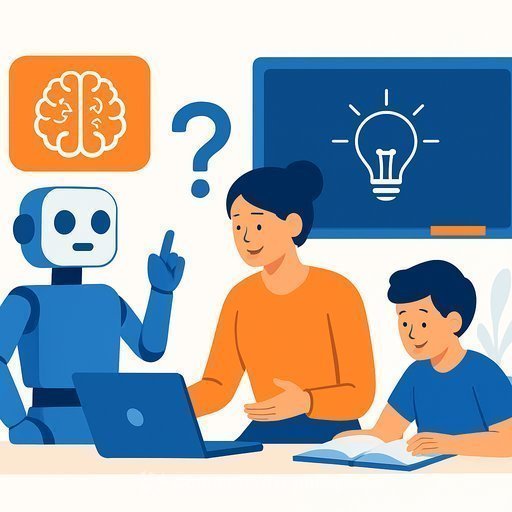
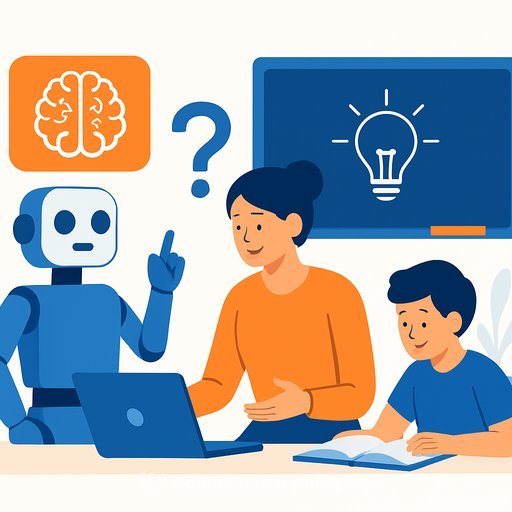
Halada raised a core tension many of us feel: college faculty are experts in subject matter, but few are trained explicitly in teaching. As he put it, "College faculty don't necessarily have the same kind of people skills in terms of teaching that you would expect, say, a qualified high school teacher to have." With AI tools and online resources taking a bigger role, he asked the key question: what unique value do faculty add, and how should future training evolve to deliver that value? Resources aimed at teacher-focused AI literacy, such as AI Elementary Education Courses, illustrate effective approaches to pedagogy and classroom practice that can inform higher-education training.
Who made it happen
Planning started a year in advance. Alongside Halada, Robert Kukta, senior associate dean for education and innovation, and professor Anurag Purwar from Mechanical Engineering contributed heavily. Stephanie Taboda, an assistant professor at Suffolk Community College and a former student of Halada's, also played an active role.
Opening message
Andrew Singer, dean of the College of Engineering and Applied Sciences, set the tone in his opening remarks. He emphasized the value of bringing educators together to share strategies, confront emerging challenges, and think long-term. His takeaway was blunt and useful: "AI will not replace engineers. But engineers who understand AI will replace engineers who don't."
What faculty explored
Sessions focused on practical levers faculty can pull right now. Halada highlighted active learning, project-based learning, improved assessment methods, and new approaches to delivering knowledge and keeping students engaged.
Practical moves for educators
- Use design-focused resources like AI Design Courses to guide curriculum design and design-thinking activities.
- Define AI literacy outcomes for each course sequence. Keep them specific and measurable.
- Pilot project-based modules where students use AI tools to analyze data, simulate designs, or critique code-and require reflection on limits and errors.
- Update academic integrity policies to include acceptable and unacceptable AI use, with clear examples.
- Shift assessment toward process and reasoning. Add oral checks, design reviews, and versioned submissions to reduce shortcutting.
- Run short faculty workshops where teams co-design one AI-enabled activity and test it within a month.
- Create a cross-department working group to share prompts, rubrics, and model assignments.
- Address equity early: ensure tool access, offer low-bandwidth options, and provide alternatives when tools fail.
What to watch next
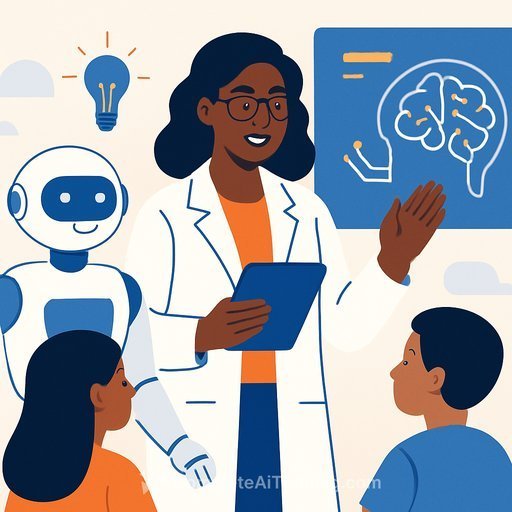
Expect continued focus on faculty development and the unique value educators bring in an AI-supported classroom: context, ethics, coaching, and judgment. That's where students grow, and where faculty make the biggest difference.
If you're building your own roadmap, start small: one course, one assignment, one policy. Collect feedback, iterate, and scale what works.
Resources
- American Society for Engineering Education
- Curated AI course lists by job role (Complete AI Training)
Your membership also unlocks: