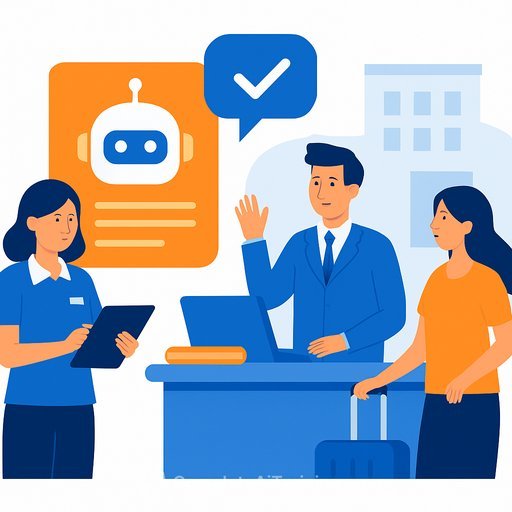
AI will enhance, not replace, hospitality jobs
Martin MacPhail, managing director at 7H, is clear on one thing: AI isn't coming for hospitality jobs. It's here to support them. Ahead of his session on The Caterer's free webinar, AI: Building trust in the workplace, he made the case for a practical, human-first approach to technology on property.
- 47% of hospitality workers fear AI will take their jobs, according to new research.
- Front-of-house warmth stays non-negotiable; AI should speed things up, not take over.
- Start with tools that reduce friction for teams and guests-then build from there.
What workers are worried about
Findings from the Deputy Better Together report show nearly half of hospitality workers are anxious about automation replacing them-more than any other sector surveyed, including retail and healthcare. The concern is understandable: service is personal, and that's the point.
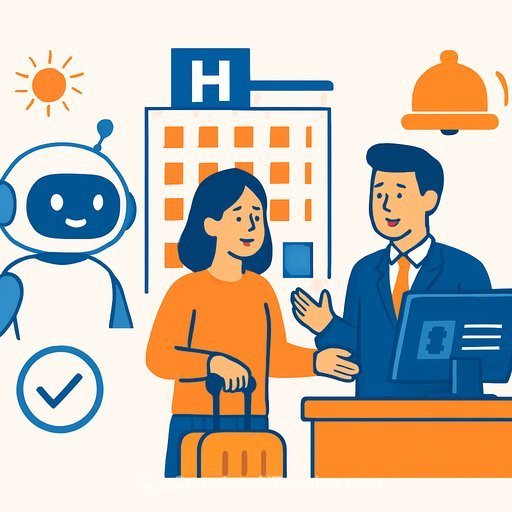
As one hotel receptionist put it, "Guests don't remember the check-in software - they remember the kindness of the person behind the desk." That sentiment should steer every tech decision you make.
Where AI actually helps on property
MacPhail's view is simple: AI and hospitality can work hand in hand. "They're there to speed things up, but not to replace it; it has to work in tandem."
- Instant messaging + chatbots: Route guest requests to the right department, confirm receipt, and keep the guest updated-without piling extra admin on the team.
- Triage routine questions: Pull FAQs (parking, breakfast times, amenities) into quick replies so staff can focus on higher-value interactions.
- Shift support: Draft handover notes or summaries from daily logs to shorten briefing time and reduce missed details.
- Language assists: Translate guest messages on the fly to remove friction for international travelers and staff.
Ground rules for a human-centred rollout
- Protect the moments that make your service memorable-greeting, recovery, farewell. Don't automate those.
- Co-design with your team. Ask, "What slows you down?" Then pilot tools that remove those bottlenecks.
- Start with one use case per site. Prove the win (time saved, guest response time, CSAT), then expand.
- Set clear guardrails. Decide what the bot can answer, when to hand off, and how fast humans should step in.
- Train and show the upside. If AI saves 45 minutes per shift, where does that time go? Make the benefit visible.
- Respect privacy. Limit data access, log decisions, and review outputs for accuracy and tone.
Questions to ask your tech partners
- What tasks does this tool remove today, and how will we measure that in week one?
- How does it escalate to a person, and how fast?
- What data does it store, where, and for how long?
- How do we edit responses, update knowledge, and audit performance?
- What training and playbooks are included for managers and front-line teams?
Why this matters now
AI is already touching guest messaging, workforce scheduling, and service recovery. Operators who set a clear line-tech for speed, people for care-will gain efficiency without losing the heart of hospitality. That's the balance guests feel and remember.
About the research
The Deputy Better Together report, to be discussed during the webinar, is based on a survey run by data collection firm Walr between 21 August and 11 September 2025. It includes responses from 1,500 shift workers across hospitality, foodservice, retail, and healthcare in the UK, US, and Australia.
Learn more about the companies involved: Deputy and Walr.
Hear more from Martin MacPhail
MacPhail will dig into the ethical, operational, and cultural barriers operators face and outline steps to build trust with staff as you roll out AI. The free session is built for hospitality operators, front-of-house managers, and technology buyers who want practical, real-world playbooks.
Next steps for your team
- Pick one guest-facing flow to improve (e.g., room requests). Pilot messaging + auto-routing with a human fallback.
- Run a two-week test, measure response times and guest satisfaction, and share wins with the team.
- Provide short, specific training-what to say, when to step in, and how to log feedback for updates.
If you're building skills for your role or team, explore practical AI upskilling paths by job function here: Complete AI Training - Courses by Job.
Bottom line: AI should clear the path for your people to do what guests value most-be present, be kind, and solve problems fast.
Your membership also unlocks: