Teachers Stay Central as Indonesia Expands AI in Schools
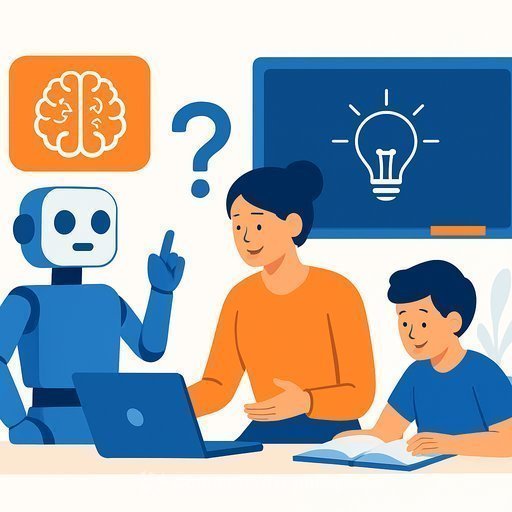
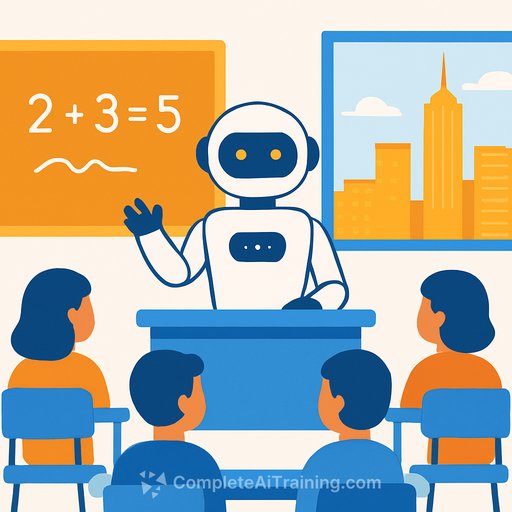
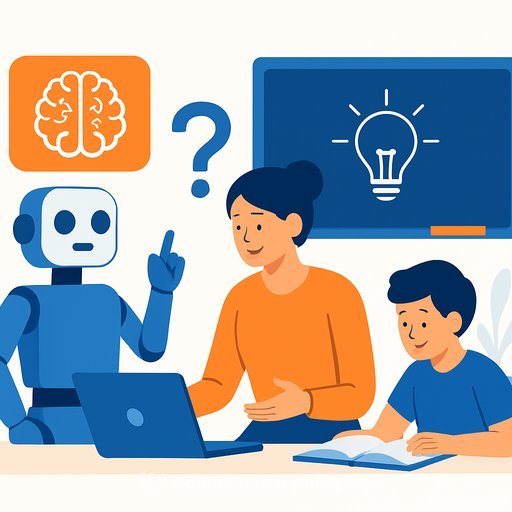
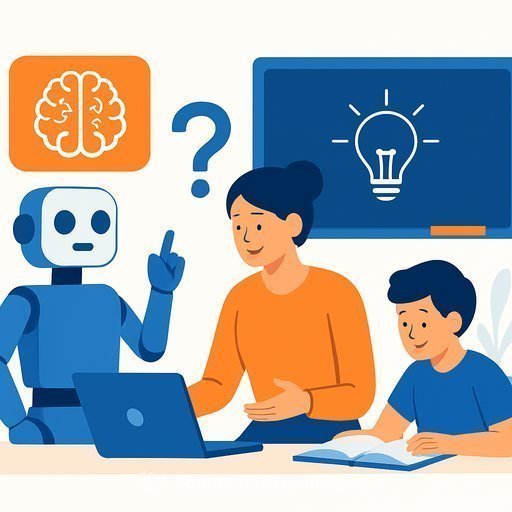
At a national seminar in Yogyakarta, Indonesia's Minister of Primary and Secondary Education Abdul Mu' ti made it clear: AI will not replace teachers. "AI remains a technology that cannot solve everything or replace everything," he said at Yogyakarta State University (UNY).
Yes, AI can process data and deliver information fast. But it lacks lived experience, moral responsibility, and the human connection that teaching demands.
What AI Can-and Can't-Do in Class
AI can offer suggestions, explanations, and quick feedback. It can help differentiate tasks and speed up admin work.
But it cannot act or experience the learning process the way a human does. As Abdul Mu' ti put it: "AI can give advice and explain many things, but it does not act and it does not experience."
Human Oversight and Ethics Come First
Control stays with educators. "The control still lies with the humans who operate the tool." That means pairing technical skill with a critical attitude.
AI outputs mirror the data it's fed. If the source is wrong, the result will be wrong. Build classroom routines for source verification, bias checks, and context-especially for sensitive topics. For broader reference, see UNESCO's guidance on AI in education: UNESCO Guidance.
Policy Update: AI and Coding From Grade 5
AI and Coding are being introduced as an elective from fifth grade. The rollout is gradual.
Pacing will follow teacher readiness and institutional capacity. The goal: integrate useful tools without losing the human core of education.
What This Means for Educators
- Use AI as an assistant, not a replacement. Idea generation, formative feedback, and admin tasks are fair use. Final judgment stays with you.
- Teach data and source literacy. Require students to cite sources, cross-check facts, and reflect on how an answer was produced.
- Set classroom guardrails. Define acceptable use, disclose when AI was used, and require human reflection with AI outputs.
- Keep values and character at the center. Run discussions, projects, and reflection journals-areas where human guidance matters most.
- Invest in practical training. Start small, share what works with colleagues, and document classroom-ready prompts and workflows.
The Bottom Line
AI is a tool. Teachers are the catalyst. Maintain the balance: leverage technology, protect human values, and keep the learning experience personal.
If you're planning PD around AI, explore role-specific training options here: Complete AI Training - Courses by Job.
Your membership also unlocks: