
AI news ·
AI writing becomes indistinguishable from human work, but verification struggles to keep pace
AI-generated writing is now so fluent that readers often can't distinguish it from human text. This has made detection tools and transparency about authorship critical for trust.
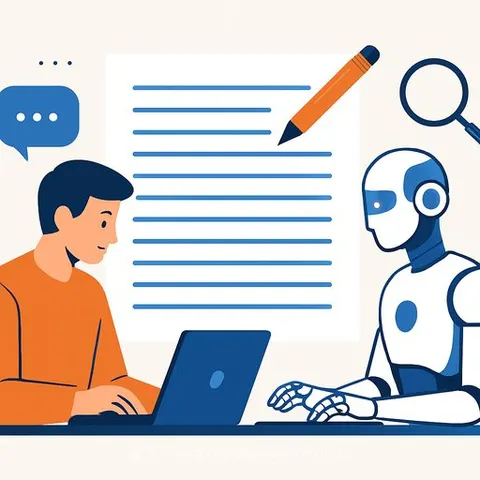
Writing by AI has become so fluent that readers regularly encounter machine-generated text without knowing it. This shift has driven demand for detection tools and made transparency about authorship a critical issue for publishers, businesses, and writers.
When writing stops being a human signature
For years, polished prose was assumed to come from a human mind. Style, vocabulary, and tone let readers recognize different voices. Modern AI systems, trained on vast libraries of text, now produce coherent articles with no personal experience or independent judgment behind them. A well-written piece no longer offers a reliable signal of human authorship.
Verification becomes part of digital literacy
As AI-generated content spreads, verifying the source of information is joining the list of essential digital skills. Readers are learning to approach text with the same skepticism they apply to phishing emails or suspicious websites. Knowing whether a piece was written by a person or a machine matters particularly in journalism, education, and research, where credibility counts. Writers can explore AI for Writers Courses to build literacy in both AI writing tools and detection methods. Quality is not determined by origin alone, but verification acts as a guide, helping readers evaluate content more carefully.
Transparency as a competitive edge
Some publishers integrate AI into their workflow while retaining strong editorial control. They are finding that readers increasingly value clear disclosure about how content is created. Outlets that explain their processes build more trust than those that stay silent on authorship.
The technology behind detection
Detection tools have improved alongside writing systems. They analyze sentence structure, predictability, and writing patterns to estimate the likelihood that a machine produced the text. Services like ZeroGPT help users identify AI-generated content across different formats. These tools are not opposed to innovation; they aim to support transparency and informed consumption.
Why this matters for writers
Writers now operate in an environment where their own human-written work may be questioned as machine output. Understanding how AI writing and detection work is no longer optional. It is a core competency for maintaining credibility. Those who learn to use AI as a drafting or research assistant while clearly disclosing its role will be better positioned as the line between human and machine prose continues to blur. Acquiring skills in AI detection and authorship verification will help writers protect their reputation and advise clients or employers on integrity practices.