Airports Deploy AI to Handle Growing Passenger Demand
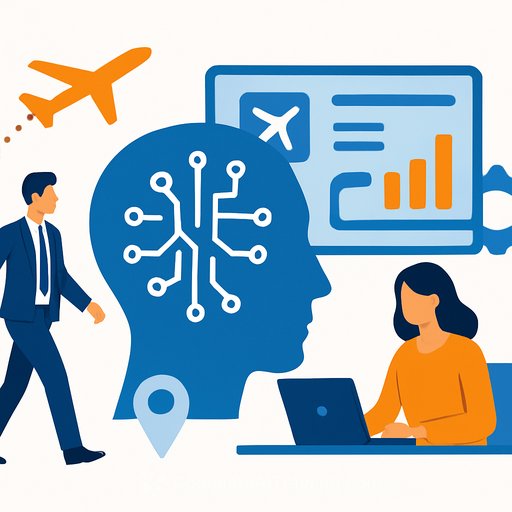
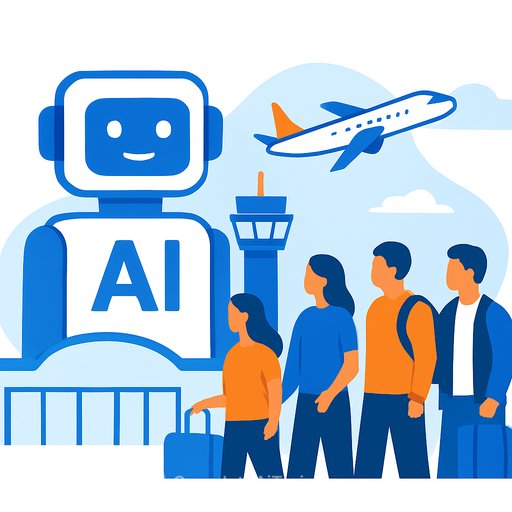
Airports worldwide are turning to artificial intelligence to manage surging passenger numbers without major physical expansion. As air travel demand rises, airport operators are using AI systems to streamline operations, reduce congestion, and improve the passenger experience.
Real-Time Congestion Management
AI systems analyze data from cameras, sensors, and airline schedules to track how passengers move through terminals. This allows airport managers to identify bottlenecks before queues form at security checkpoints, gates, or baggage claim.
When congestion is detected, staff can be redeployed, additional service counters opened, or passengers redirected to less crowded areas. The result is faster processing without requiring larger facilities.
Biometric Systems Speed Up Processing
Facial recognition technology allows passengers to move through check-in, security, and boarding with a single scan instead of repeatedly presenting documents. The process is faster and reduces human error in identity verification.
Airport operators expect biometric systems to become standard as they make procedures more convenient and secure.
Predictive Maintenance Prevents Disruptions
AI algorithms monitor baggage handling systems, aircraft servicing equipment, and other critical infrastructure to detect problems before they cause failures. Maintenance can then be scheduled strategically, avoiding costly delays and service interruptions.
Optimizing Logistics and Staff
Algorithms assign aircraft to gates, schedule staff, and manage runway usage based on real-time demand and forecasts. These systems allow airports to handle more flights and passengers without proportional increases in operating costs.
This efficiency is critical as global travel demand continues to grow. Learn more about how AI Agents & Automation and AI for Operations drive these improvements.
Enhancing the Passenger Experience
Mobile apps and digital assistants provide travelers with personalized flight updates, gate directions, and estimated security wait times. Some systems recommend faster routes through terminals or suggest nearby restaurants and shops.
These tools reduce stress and help passengers navigate large airports more efficiently.
Privacy Concerns Remain
The expansion of biometric systems raises questions about data security and misuse. Facial recognition and other biometric technologies collect sensitive personal information, and critics warn that safeguards must be strong enough to protect passenger data.
Aviation authorities and technology companies face pressure to demonstrate that data protection is a priority.
The Path Forward
Industry experts expect AI to become central to airport operations as passenger volumes grow. By integrating AI systems, airports can deliver efficient, secure, and passenger-friendly services without the cost and disruption of major infrastructure projects.
Your membership also unlocks: