
AI news ·
AI's effect on lawyer well-being deserves more attention than it gets
AI is changing what lawyers do, but its effect on their mental health and professional identity gets little attention. The shift reduces some routine stress while adding new demands around accuracy, judgment, and who lawyers are.
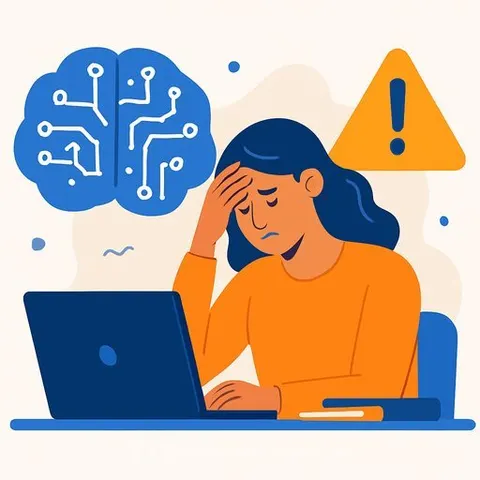
AI Is Reshaping Legal Work. What About Lawyers' Well-Being?
The legal profession is focused on how AI boosts productivity and competitive advantage. But a critical question remains largely unexamined: what does AI do to lawyers themselves?
As artificial intelligence takes on research, drafting, document analysis, and other routine tasks, it will likely reduce stress from repetitive work. But it also introduces new cognitive demands and threatens the professional identity many attorneys have built over decades.
The Cognitive Burden Shifts, Not Disappears
AI handling planning, summarizing, and organizing should free lawyers from execution-heavy tasks. That matters. Much of legal work's stress comes from long hours spent on routine, repetitive work.
But AI-generated content introduces its own strain. Lawyers must review outputs for accuracy, catch "hallucinations," and apply independent judgment. The volume and speed of AI-generated material can create cognitive overload rather than relief.
Lawyers need time to think independently, reflect on what AI produces, and decide when to trust it and when not to. AI enhances analysis. It doesn't replace a lawyer's responsibility for critical thinking.
Professional Identity Under Pressure
For many attorneys, being a lawyer is core to who they are professionally, not simply what they do for income. When technology performs tasks lawyers have traditionally owned-research, drafting, analysis-it can shake that identity.
The shift doesn't eliminate the lawyer's role. It changes where lawyers add value. Strategic thinking, creative problem-solving, and nuanced judgment become more important, not less.
Lawyers also remain essential as trusted advisers within the attorney-client relationship. When lawyers use AI, they can protect sensitive information and maintain attorney-client privilege. When clients use AI alone, those safeguards disappear.
Developing AI fluency can deepen professional identity rather than diminish it. It expands what lawyers can do and makes them more effective for clients.
The Workplace Could Get Better-Or More Isolated
Legal work already involves long hours and isolation. AI could worsen this if it reduces collaboration among colleagues. Fewer natural moments of connection-debate, discussion, strategy sessions-can harm both effectiveness and emotional well-being.
Or AI could free time for mentoring, strategy discussions, and client engagement. If used to handle routine execution under lawyer supervision, it strengthens the collaborative relationships that support good lawyering and emotional health.
Education and Responsibility Matter Most
AI's value depends as much on emotional health as on task automation. Responsible integration requires ongoing education about what AI can and cannot do.
Lawyers need frank discussions about AI's limitations: it hallucinates, generates plausible but false answers, and is often designed to seem agreeable. Efficiency gains mean nothing if they come at the cost of accuracy or professional responsibility.
The traditional model of success based on grueling schedules is likely to shift. Lawyers who focus on judgment, creativity, and trusted counsel-skills technology cannot replicate-will define the profession's future.
Learn more about AI for Legal work and how to develop practical AI skills for your role.