Why BlackRock Flags AI as a New Stress Test for Clean Energy in 2026
AI isn't a side story anymore. By 2026, it will affect electricity demand, emissions, and the flow of capital. BlackRock's latest outlook points to a simple truth: the AI buildout will either help climate goals or make them harder-depending on how fast clean energy scales and how money is allocated.
For finance leaders, this isn't theory. It's capex, siting decisions, procurement strategy, and risk management. The decisions you make this year will echo for a decade. For procurement-focused guidance, see the AI Learning Path for Purchasing Managers.
AI's Power Appetite Is Rising Fast
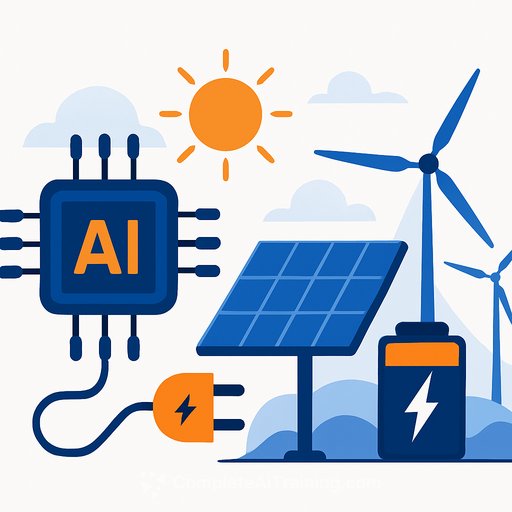
Training models and running inference takes constant computing. That means data centers with 24/7 loads, and a lot of them. By 2026, AI-linked demand will be a structural driver of electricity consumption, not a temporary blip.
The emissions outcome is binary. If facilities sit on fossil-heavy grids, emissions climb. If they source clean, firm, and reliable supply, AI can scale without pushing emissions higher. Energy procurement just became a climate decision.
Clean Power Is Now Core Infrastructure
Renewables, storage, and dependable low-carbon baseload (nuclear, hydro, geothermal) are shifting from "nice to have" to "must have." Long-term clean power agreements can cut cost volatility and emissions exposure while improving uptime for data-heavy operations.
Capital is already moving. AI growth is directing investment into projects tied to digital infrastructure: utility-scale solar and wind, storage, grid upgrades, and dedicated on-site generation. Clean power isn't a marketing asset-it's operating infrastructure.
Capital Allocation Will Set Climate Outcomes
Where money goes matters. Funding clean generation, transmission, storage, and low-carbon baseload will decide if AI expansion aligns with climate targets. Long-duration capital is well suited here, but only if reporting is credible and standards are clear.
No transparency, no trust. And without trust, the link between AI growth and lower emissions breaks.
The Carbon Cost Comes First
AI's early footprint isn't pretty. Data centers, chips, switchgear, and new transmission lines drive upfront emissions from steel, cement, and energy-intensive manufacturing.
There's a timing gap: capex and construction emissions come now; productivity and efficiency gains arrive later. Mitigate it with low-carbon materials, supplier disclosures, embodied-carbon targets, and clean construction practices. Don't wait for offsets to fix bad design.
Where AI Can Cut Emissions
AI can make grids smarter, improve renewable forecasts, reduce energy waste, and optimize logistics. In factories, it can streamline processes and lower energy intensity. Small gains at scale add up.
The International Energy Agency estimates that widespread deployment of AI-enabled solutions could cut up to 1.4 Gt of CO₂ per year by 2035-multiple times data center emissions in that year. See IEA's work on digitalization and data centers for context: IEA analysis.
The Energy Transition Is Under Strain
Grids, transmission, and permitting are bottlenecks. In several regions, data center growth is already outpacing grid upgrades. If clean generation and network capacity don't scale faster, AI will compete with other sectors for scarce low-carbon electricity.
That means higher prices, higher emissions, or both.
Concentration Risk Is Real
Traditional diversification overlooks hidden links. Many assets now rely on the same cloud, the same grid, and the same water sources. A heatwave, drought, or grid failure can disrupt multiple sectors at once.
Label-based ESG screens won't catch this. You need exposure maps: geography, grid mix, water intensity, and interconnection queues-plus contingency plans.
Private Markets Can Accelerate What Public Markets Can't
Grid upgrades, storage, efficiency retrofits, and behind-the-meter generation often sit in private markets. These projects benefit from longer horizons and flexible structuring.
But governance is the gate. Tie financing to measurable emissions outcomes, require third-party data, and align incentives to operational KPIs-not press releases.
Policy Moves That Matter
Faster permitting, predictable interconnection timelines, streamlined siting for transmission, and support for firm low-carbon supply will reduce bottlenecks. Clear reporting rules raise accountability and crowd in capital.
Public policy won't do the work for you, but it can remove blockers that private money can't touch alone.
Action Checklist for Finance Leaders
- Power procurement: Secure long-term clean PPAs with firming. Stress test price, curtailment, and congestion.
- Siting: Prioritize grids with low-carbon intensity, available capacity, and water resilience. Model heat and outage scenarios.
- Embodied carbon: Set targets for concrete, steel, and equipment. Bake requirements into contracts and supplier audits.
- Capacity hedges: Pair PPAs with storage, demand response, and on-site generation where feasible.
- Data integrity: Adopt credible emissions accounting and verification. Tie financing to performance, not claims.
- Risk mapping: Quantify correlated exposures across cloud regions, substations, and transmission nodes.
- Private allocation: Consider funds focused on transmission, storage, and efficiency with clear governance.
- Productivity lens: Fund AI use cases that cut energy use in logistics, manufacturing, and buildings first.
For Reference
BlackRock's outlook frames AI as a structural demand driver and a sustainability test. For broader context on market themes, visit: BlackRock Insights.
Tools for Finance Teams
If you're evaluating software and workflows, here's a practical starting point: AI tools for finance. Focus on ROI, energy implications, and data controls.
Bottom Line
AI growth and clean energy are now linked. If clean supply, grids, and storage scale fast-and reporting stays honest-AI can lift productivity while lowering emissions intensity. If they don't, costs rise and climate risk compounds.
The lever is capital. Aim it at clean, reliable power and verifiable outcomes. That's how AI adds durable value in 2026 and beyond.
Your membership also unlocks: