CEOs Are Finally Speaking Honestly: AI Will Eliminate Jobs
A recent Wall Street Journal article caught attention by quoting CEOs who openly acknowledge that AI will drastically affect white collar jobs. Until now, many leaders had softened the message about AI's impact, especially on professional roles. But as AI’s capabilities grow, that narrative is shifting.
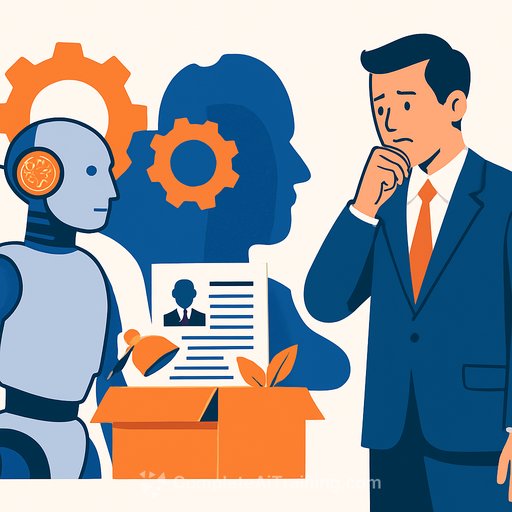
This shift became real to me when I saw two knowledgeable Microsoft employees lose their jobs. Lawyers aren’t exempt either—one industry leader highlighted legal professionals as particularly vulnerable to downsizing. AI is set to disrupt white collar work significantly, whether by cutting headcount or changing job nature.
A More Optimistic Perspective
On the brighter side, Akshay Verma offers a hopeful outlook for the legal field. He argues AI and automation will reduce time spent on administrative tasks. This frees lawyers to add more strategic value. Verma draws parallels to how legal operations teams expanded their roles after the Great Recession.
According to Verma, lawyers will evolve into “strategic advisors, risk architects, and business enablers.” The common refrain in legal circles is that AI won’t replace lawyers—it will replace lawyers who don’t use AI. If this holds true, the combination of AI-driven workload increases and efficiency gains could open new opportunities.
But Let’s Keep It Real
Before buying fully into this optimism, consider some tough realities. For now, AI is actually creating more work. It enables the handling of cases that were previously too inefficient to pursue. But this untapped work won’t last forever. Eventually, the question will be whether new work will emerge or if AI will have taken over most valuable tasks.
Also, as AI improves, it will handle increasingly complex tasks. The new work AI generates today may get automated tomorrow. So while AI currently drives more demand, it could also cannibalize these roles in the future.
Lastly, AI may give lawyers more time for strategic thinking, as Verma suggests. But the reality is not every lawyer is skilled at big-picture strategy. Law schools rarely teach this, and many lawyers won’t naturally develop these abilities even with extra time.
Visionary Skills Are Rare—and AI Is Advancing There Too
From experience, few lawyers excel at overall strategy and vision. The hard truth is that while AI might free up time for these tasks, it’s also improving at them. AI’s growing strategic capabilities threaten the demand for high-level legal thinkers.
The result? A shrinking need for lawyers who specialize in visionary roles. Even if time opens up, not everyone will fill that space, and AI may take over much of it anyway. This is a sobering reality for the profession.
The Bigger Business Model Problem
Another major issue is the traditional law firm business model: the billable hour. It’s simple—bill more hours, earn more revenue. Since individuals can only bill so many hours, firms grow by adding more people to matters.
In an AI-driven world, this model faces a serious challenge. AI can reduce the time needed for tasks dramatically, potentially leading to an oversupply of lawyers. The profession is built on maximizing billable time, which makes it highly vulnerable to this disruption.
Plus, firms have historically promoted and hired based on billable hours, not necessarily on strategic advisory skills. This means the leverage model offers little protection against AI-driven changes.
What Should Legal Leaders Do?
The future is uncertain, but these questions demand attention from legal leaders now. Maybe things will continue as before, but with CEOs openly discussing AI's impact, it’s time for the legal profession to confront these realities openly.
Lawyers interested in preparing for AI’s impact can explore specialized AI courses and training. Building skills in AI tools and automation could become vital for staying relevant. For those looking to deepen AI knowledge and its application in legal work, resources like Complete AI Training’s legal-focused courses offer practical paths forward.
The key takeaway is clear: AI is changing legal work fundamentally. Adaptation isn’t optional—it’s necessary.
Your membership also unlocks: