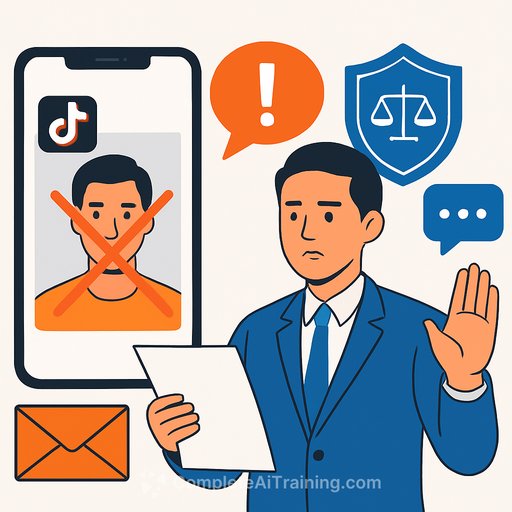
AKPS warns of deepfake videos impersonating its director-general
Kuala Lumpur - The Malaysia Border Control and Protection Agency (AKPS) has denied the authenticity of two viral TikTok videos that mimic the face and voice of its director-general, Datuk Seri Mohd Shuhaily Mohd Zain.
According to the agency, the clips use deepfake technology to falsely imply his support for certain forms of assistance. AKPS has urged the public to be alert and avoid engaging with content that attempts to imitate officials for fraudulent purposes.
"The public is reminded not to be deceived or misled by content produced using artificial intelligence (AI), such as deepfakes, which are increasingly easy to manipulate for fraudulent activities," the agency said. It also advised the public to rely only on official media channels and the relevant government websites for authentic information.
AKPS stated it is taking the matter seriously and will pursue legal action against those who produce or spread the fake content.
What this means for government staff
- Assume high-risk for video/audio clips that announce aid, payments, or endorsements. Validate before reacting or sharing.
- Verify through your agency's official website, press releases, and known social accounts. Use two-person verification for sensitive announcements.
- Treat unsolicited DMs and "urgent" requests linked to viral videos as potential scams. Never move conversations to private numbers without prior verification.
- Establish a single internal point of contact (communications or legal) for suspected deepfake incidents.
- Log links, timestamps, and screenshots. Preserve evidence before platforms remove content.
How to verify information
- Check official ministry/agency websites and press rooms first.
- Cross-check with verified social channels and recent statements.
- Use Malaysia's fact-checking portal Sebenarnya.my to confirm or debunk claims.
- Look for red flags: lip-sync mismatch, unnatural blinking, odd audio artifacts, or generic calls to "support" with links to unknown sites.
Reporting and escalation
- Report the content through the platform's built-in reporting tools (e.g., TikTok's "Report" feature).
- Escalate to your agency's communications and legal teams for coordinated action.
- Notify the Malaysian Communications and Multimedia Commission (MCMC) where appropriate: MCMC.
Strengthen your agency's defenses
- Publish a clear, public "How we communicate" page listing your official channels and how to verify announcements.
- Pre-draft holding statements for fast response when impersonation occurs.
- Run short staff briefings on spotting synthetic media and handling escalation.
If your team needs structured training on AI fundamentals, fraud patterns, and practical verification skills, you can explore role-based options here: AI courses by job.
Your membership also unlocks: