Algorithmic Accountability: When Medical AI Goes Wrong — Who's Liable?
Welcome to the Age of Medical AI
Artificial intelligence (AI) is firmly embedded in healthcare today. From chatbots screening symptoms to algorithms detecting tumors and predicting heart failure, AI tools are changing how care is delivered. They offer faster, often more accurate diagnoses and treatment plans, enhancing efficiency beyond what human clinicians might achieve alone.
Hospitals and clinics are adopting these technologies at a fast pace, reshaping healthcare operations. But with this shift come new challenges. As AI gains more influence over decisions, distinguishing between support and authority becomes tricky. Errors can arise if AI misreads data or overlooks patient specifics, sometimes with serious consequences. When harm occurs, pinpointing responsibility gets complicated: is it the doctor, the hospital, or the software developer? This question is urgent as AI's role grows stronger in medicine.
When the Machine Gets It Wrong
Consider a patient who reports symptoms to an AI diagnostic app, which downplays the issue as a minor viral infection and recommends rest. Later, the patient suffers a ruptured appendix—something a skilled physician might have caught earlier. Or an oncologist relying on AI that mislabels a malignant tumor as benign, delaying critical treatment. These scenarios highlight real risks as AI tools become common in care.
Failures may stem from biased training data, incomplete inputs, or misread lab results. Regardless of cause, the result can be patient harm. This triggers tough legal questions: who is accountable? And where can patients or families seek justice? Traditional malpractice laws may not fit cases where the “decision-maker” is an algorithm rather than a person.
The Legal Void: Who’s at Fault?
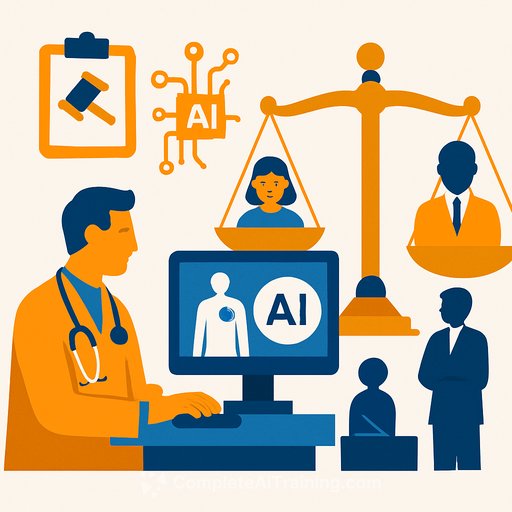
Assigning liability in AI-linked medical errors is complex. Normally, malpractice claims focus on human negligence by doctors, nurses, or hospitals. But when AI plays a central role, responsibility fragments. Is the clinician at fault for trusting AI advice? Should the hospital be liable for adopting flawed technology? Or does blame lie with the software creators?
Adding to this challenge, many AI systems function as “black boxes,” with opaque internal workings even to their developers. This lack of transparency hinders audits and explanations for specific decisions. Meanwhile, companies often limit liability through user agreements and disclaimers. Patients and their attorneys face unfamiliar legal territory with few clear precedents.
The Personal Attorney’s Dilemma
Personal injury lawyers now confront an evolving legal landscape. Proving negligence, causation, and identifying a responsible human party is harder when software is involved. How do you demonstrate fault when an error originates in an algorithm? Can causation be established if a physician acted in good faith using AI recommendations? What if the liable party is a distant software firm?
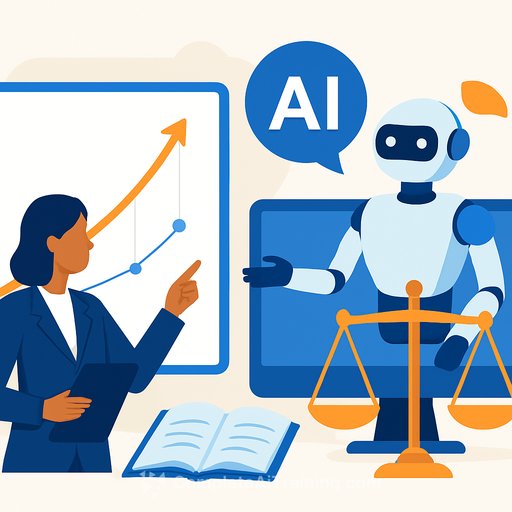
Attorneys must expand their expertise in AI technology, data ethics, and emerging laws on digital liability. They may need technical experts to analyze how an algorithm operated or failed. Advocacy for legal reform is crucial to close accountability gaps. As AI reshapes healthcare, legal professionals must adapt to ensure victims of algorithmic mistakes receive justice.
Building a Framework for Accountability
Addressing these challenges requires new legal standards. Regulators should clarify how much autonomy AI can have in clinical decisions and demand transparency in AI processes. Healthcare providers must disclose AI use and maintain human oversight to prevent unchecked errors.
Legal responsibility should be clearly assigned across all parties. Software developers must be accountable, especially when their products impact life-or-death care. Hospitals and clinicians need to vet and monitor AI tools carefully. Crucially, lawmakers must update malpractice and liability laws to reflect healthcare’s digital transformation. Without these changes, patients risk harm without recourse.
Conclusion: A New Era for Legal and Medical Collaboration
Healthcare technology is advancing, and legal systems must keep pace. AI promises improvements but also introduces unique risks when it fails. The intersection of medicine, software, and personal injury law is becoming a key area for litigation.
Currently, injured patients face uncertainty about where to turn, and attorneys struggle without clear legal frameworks. The future demands collaboration between technologists, clinicians, and legal experts to establish ethical standards, regulations, and accountability.
For legal professionals, this means expanding knowledge, challenging outdated norms, and staying informed about AI developments. When machines make mistakes, justice depends on human advocates ready to defend those affected.
For those interested in deepening their knowledge of AI applications and legal implications, resources such as Complete AI Training offer courses that explore AI's impact across industries, including healthcare and law.
Your membership also unlocks: