Amazon One Medical Unveils Health AI Assistant for Patients
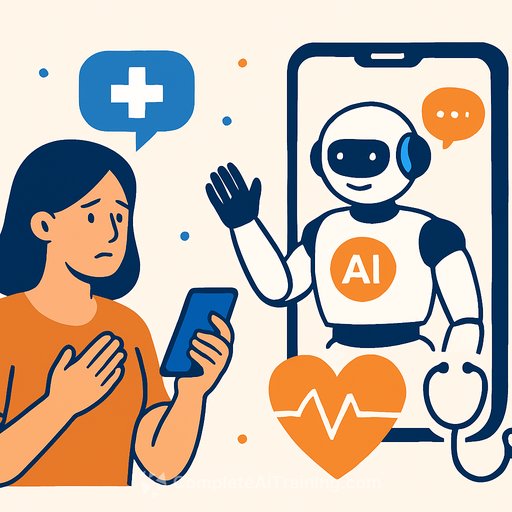
Amazon One Medical has launched a Health AI assistant that gives patients 24/7 guidance using the context of their digital medical records. The agent is HIPAA-compliant and built to help members book appointments, manage medications, and get answers to health questions without waiting on hold or sifting through portals.
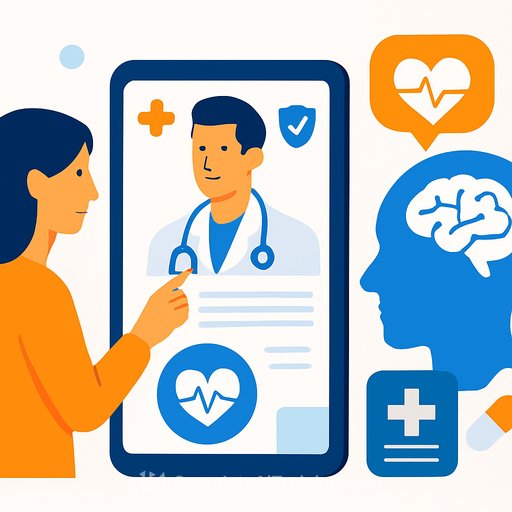
When the assistant detects an issue that needs clinical expertise, it routes the patient to a care team via messaging or books a same- or next-day visit. The goal: reduce friction for routine tasks while keeping clinicians in the lead for diagnosis and treatment.
What It Does
- Explains lab results in the context of a patient's health history.
- Provides 24/7 guidance on symptoms, conditions, treatment options, and wellness questions.
- Helps patients choose the right care setting and service based on current needs.
- Coordinates care tasks such as appointment scheduling and prescription refills.
How It Fits Clinical Workflows
The assistant pulls from a member's electronic medical record to personalize responses and next steps. If red flags appear, it hands off to human clinicians and can trigger same- or next-day access.
"The U.S. healthcare experience is fragmented, with each provider seeing only parts of your health puzzle," said Neil Lindsay, senior vice president of Amazon Health Services. "Health AI in the One Medical app brings together all the pieces of your personal health information to give you a more complete picture."
One Medical's clinical leaders helped shape the tool, and the company is clear about scope: the assistant supports care-it doesn't replace it. "Even as AI capabilities expand, the patient-clinician relationship … remains crucially important and irreplaceable," said Dr. Andrew Diamond, chief medical officer at One Medical.
Privacy, Security, and Data Controls
Amazon One Medical states the assistant is HIPAA-compliant, with encryption and technical, physical, and administrative safeguards. Conversations with the assistant aren't automatically added to the medical record, and the company says it does not sell member data.
For teams reviewing compliance, see HIPAA guidance from the U.S. Department of Health & Human Services: HHS HIPAA Overview.
Why This Matters for Healthcare Teams
Expect fewer simple portal messages and phone calls as routine questions shift to the assistant. That frees staff for higher-value work while preserving clinician oversight for anything complex or urgent.
Practical payoffs could include faster lab follow-up, cleaner triage, and lower no-show risk via automated reminders and streamlined scheduling. On the flip side, leaders should define escalation criteria, review AI-to-clinician handoffs, and monitor output quality-especially around symptom guidance and medication questions.
Market Context
This launch lands as other major players roll out consumer-facing health AI. OpenAI announced ChatGPT Health, and Anthropic introduced Claude for Health with tools for both patients and providers. Expect rapid iteration, more EMR-integrated use cases, and new patient expectations around instant, context-aware support.
What to Watch Next
- Clinical safety: Ongoing evaluation of triage accuracy, false reassurance, and timely escalation.
- Equity and access: Support for diverse populations, language needs, and digital literacy.
- Workflow impact: Net change in inbound message volume, refill processing time, and appointment throughput.
- Data governance: Clear consent flows, audit trails, and transparent patient communications.
For Clinicians and Operators
- Align triage protocols with the assistant's escalation rules.
- Update patient education: where the assistant helps, where it doesn't, and when to contact the care team.
- Measure outcomes: response times, patient satisfaction, staff workload, and safety events.
- Establish review cycles for AI outputs, especially for lab explanations and med guidance.
"We're committed to developing responsible, reliable AI that makes our members' lives better," said Prakash Bulusu, vice president of Health Stores & Technology at Amazon Health Services. He emphasized strong safety standards and provider-led care-AI for context and coordination, clinicians for clinical judgment.
Upskilling Your Team
If you're planning workforce enablement around health AI deployment and governance, explore role-based programs such as the AI Learning Path for Medical Records Clerks.
Your membership also unlocks: