Amazon's Health AI goes live in One Medical: what clinicians should know
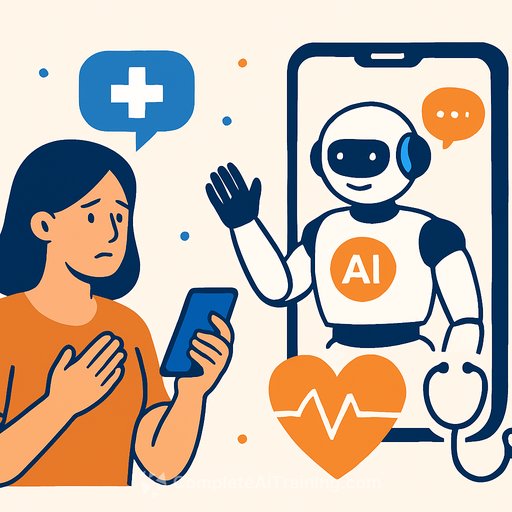
Amazon has rolled out a new AI assistant inside the One Medical app. Called Health AI, it's built on agentic AI, meaning it can take actions for members - not just answer questions. The assistant runs on models hosted on AWS Bedrock and is available 24/7.
Unlike common symptom-checkers, Health AI uses each member's existing data - records, labs, prescriptions, and vaccinations - to deliver more personalized guidance. Amazon says the tool complements clinical care and was built with input from One Medical's clinical leadership.
What Health AI can do today
- Offer guidance on symptoms, conditions, potential treatments, and wellness questions using a member's history.
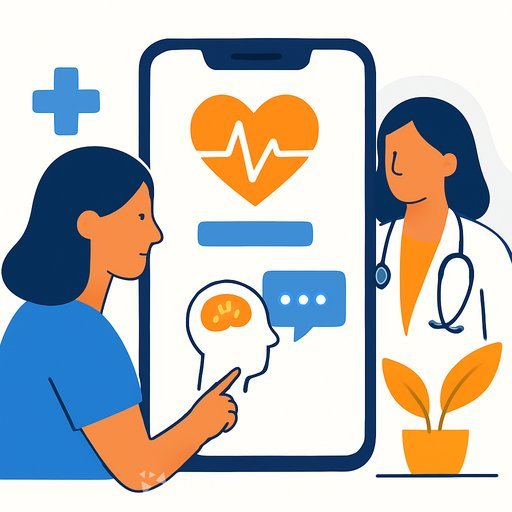
- Book appointments, route to urgent care when needed, and connect members to One Medical via messaging, video, or in-person visits.
- Review lab results, help interpret key trends, and manage medication renewals that can be filled through Amazon Pharmacy.
- Flag out-of-scope requests and escalate to human clinicians.
Data use and privacy
Amazon says Health AI conversations are not automatically added to a member's official medical record. Data is encrypted, handled in line with HIPAA, and the company states it does not sell users' health information. For reference, see HIPAA guidance from HHS here.
Neil Lindsay of Amazon Health Services said the assistant "understands your complete health story," aiming to reduce the burden of stitching together fragmented records from multiple providers.
Clinical relationship stays central
Dr. Andrew Diamond, chief medical officer at One Medical, emphasized that the patient-clinician relationship remains essential. In his view, Health AI supports members by clarifying health information, handling routine tasks, keeping care plans on track, and connecting them with clinicians when expertise is required.
Context: Amazon's broader healthcare push
This move builds on Amazon's health investments: PillPack (2018), Amazon Pharmacy (2020), and the acquisition of One Medical in 2023. Amazon has tested tighter links between One Medical and Pharmacy, including a 2024 pilot for pharmacy consultations focused on older, higher-risk patients.
Amazon also offers a separate, general AI health assistant on its website for non-members, focused on basic queries.
The competitive backdrop
Other tech firms are moving in the same direction. OpenAI introduced ChatGPT Health, and Anthropic released Claude for Healthcare with HIPAA-ready tooling for providers and consumers.
Public sentiment is cautiously positive. A Customertimes survey found most Americans don't expect AI to replace physicians soon, though many think AI could eventually outperform humans in certain diagnostic or treatment tasks. A Salesforce study reported that 83% of healthcare employees would use AI agents if they reduce administrative workload, with clinicians estimating about a 30% cut in clerical tasks.
Industry leaders argue AI agents can support teams dealing with labor shortages and administrative burden, working alongside doctors, nurses, and staff to improve efficiency and outcomes.
Why this matters for care teams
Agentic assistants can reduce message triage, refill loops, scheduling back-and-forth, and routine education. That frees clinicians to focus on complex decisions, longitudinal care, and the conversations that move outcomes.
The flip side: scope management, auditability, and clear handoffs are non-negotiable. Teams will need guardrails to ensure safe escalation, accurate documentation, and respect for patient preferences.
Practical steps for healthcare leaders
- Define scope and escalation rules: what the AI can do, when it must hand off, and who owns the next action.
- Update consent and disclosures: explain data sources, retention, and how conversations do or don't flow into the medical record.
- Plan integrations and oversight: EHR connectivity, audit trails, RX workflows, and exception handling.
- Train your staff: set expectations for message triage, supervision, and documenting AI-assisted work.
- Measure impact: track admin time saved, response times, refill accuracy, no-show rates, and patient satisfaction.
If you're building internal skills around clinical AI and agentic workflows, see our curated AI upskilling resources by job role.
Bottom line
Amazon's Health AI is a concrete step toward AI-assisted primary care operations. For healthcare organizations, the opportunity is clear: automate the routine, protect the relationship, and keep humans in the loop where judgment matters most.
Your membership also unlocks: