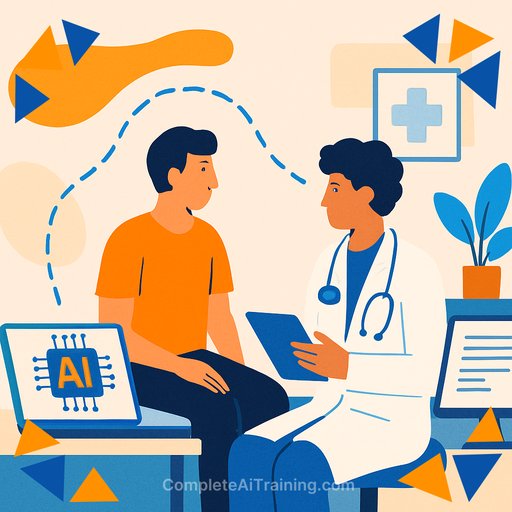
Ambient AI Technology Eases Documentation Burden for Health Care Providers
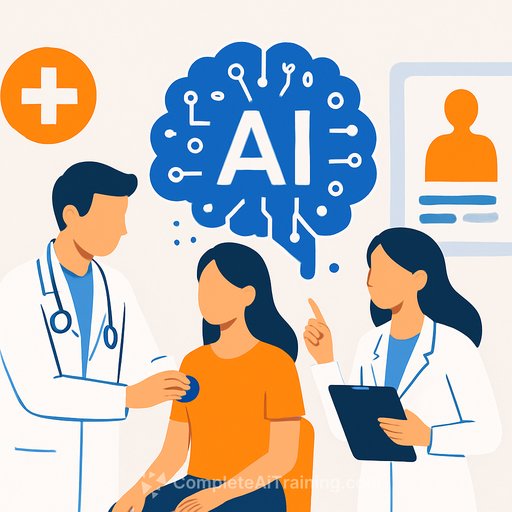
Health care providers often face heavy documentation workloads that cut into valuable patient care time. Researchers at Sutter Health tested an ambient artificial intelligence (AI) platform that listens to clinical visits and creates accurate progress notes. Their study, published in JAMA Network Open, revealed notable reductions in documentation time and improvements in clinician satisfaction.
Key Findings
- Time savings: Clinicians spent less time writing notes per appointment, dropping from an average of 6.2 minutes to 5.3 minutes (p<0.001).
- Improved well-being: Mental strain related to documentation decreased, including feeling less rushed and finding note-taking easier.
- Job satisfaction: Overall work satisfaction increased, and burnout rates declined from 42.1% to 35.1% (p=0.12). One clinician shared, "I go home happy. It's bringing back the joy of medicine—taking care of patients without the drain of clerical work."
Veena Jones, M.D., chief medical information officer at Sutter Health and senior author of the study, stated, “Ambient AI not only saves clinicians time but also allows them to be more present with patients during appointments.” This presence is crucial for fostering better patient care and engagement.
Background and Challenges
Electronic health record (EHR) documentation demands frequently extend beyond clinic hours, contributing to rising burnout among physicians. Ambient AI technology listens during visits and generates organized notes automatically, reducing the clerical load.
About the Study
Starting in April 2024, the study included 100 clinicians across various specialties in Northern California within the Sutter Health system. Data collected before and after using the AI platform demonstrated significant reductions in note-taking time and cognitive burden.
Emily Conway, M.D., a cardiologist with Sutter Medical Group of the Redwoods, shared her experience: “Patients appreciate the attention they receive. The AI sometimes catches concerns I might mentally screen out, and when these appear in the summary, patients feel heard.”
Future Directions
The study noted that the impact of ambient AI varied by clinician gender and specialty, indicating that further research is needed as this technology expands. Matthew Solomon, M.D., Ph.D., chief scientific officer at Sutter Health, emphasized the importance of ongoing evaluation to maximize benefits for both patients and care teams.
As documentation burdens weigh heavily on health care providers, ambient AI platforms present a practical solution that saves time and improves clinician well-being. For those interested in leveraging AI tools in healthcare, exploring educational resources can help in adopting these technologies effectively.
Learn more about AI applications and training opportunities at Complete AI Training.
Your membership also unlocks: