Trust in AI for health care drops sharply in latest survey
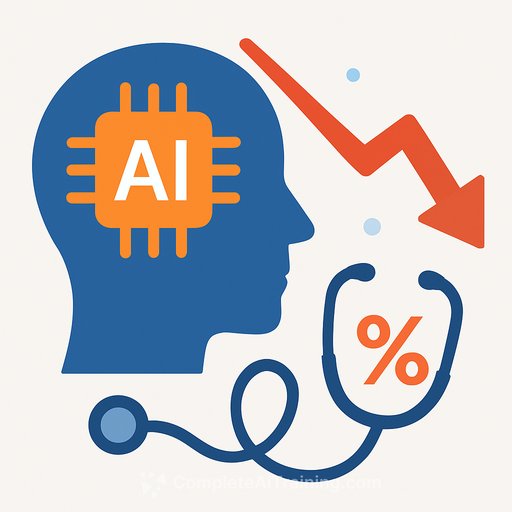
Public willingness to use artificial intelligence in medical care fell from 52% to 42% in a year, according to a national survey of 1,007 adults commissioned by Ohio State University Wexner Medical Center. The decline mirrors a typical pattern for new technologies as initial enthusiasm gives way to more measured expectations.
Belief that AI can make health processes more efficient also slipped, dropping from 64% to 55% between surveys.
Where AI actually helps
The survey identified specific uses where patients find value. Sixty-two percent use AI to understand symptoms before deciding whether to seek care. Forty-four percent use it to explain test results or diagnoses. Fewer turn to AI for treatment decisions-25% use it to compare options, and 20% use it to prepare for appointments.
The data shows a pattern: patients accept AI as a tool for gathering information but hesitate to rely on it for actual medical decisions.
The accuracy problem
Ravi Tripathi, chief health informatics officer at Ohio State Wexner Medical Center, flagged a critical issue: AI produces inaccurate results about 2% of the time and can "hallucinate" entirely false information. Fifty-one percent of survey respondents said they used AI to make an important health decision without consulting a doctor-a practice Tripathi views with concern.
"The artificial intelligence doesn't understand your story," Tripathi said. "Physicians are not using AI 100%. We're not trusting it 100%. I would be really concerned about a patient who is following AI."
The partnership model
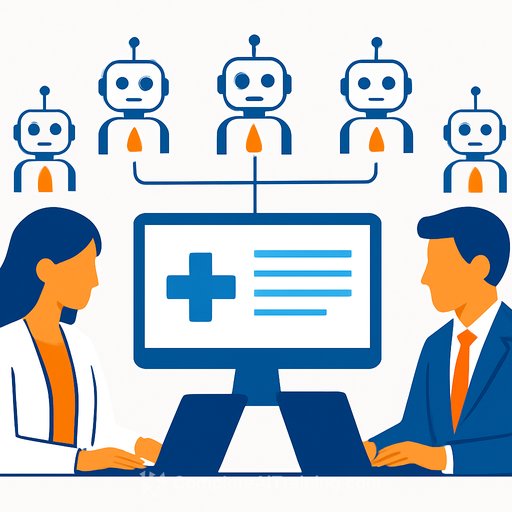
Tripathi advocates for what he calls "augmented intelligence"-using AI alongside medical professionals rather than as a replacement. AI can compile health data, explain results, and help patients formulate questions for their doctors. Patients retain oversight while clinicians make final treatment decisions.
This measured approach appears to align with how survey respondents actually want to use the technology. As AI becomes routine in health care over the next 2 to 5 years, Tripathi expects public trust to rebound once expectations stabilize around realistic applications.
Survey details
SSRS conducted the survey from January 16-20, 2026, among 1,007 respondents via web and telephone. The margin of error is ±3.5 percentage points at the 95% confidence level.
Your membership also unlocks: