AI Data Center Explosion: The Alarming Threat to America's Infrastructure Projects
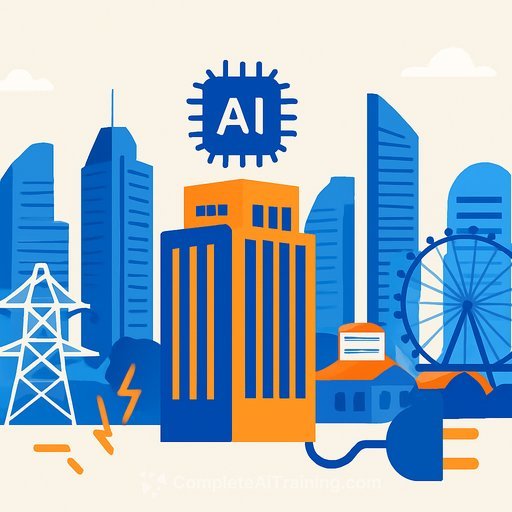
AI buildouts are soaking up the same labor, materials, and engineering capacity that America needs to fix roads, bridges, and utilities. Private data center spending has surged to an annualized pace above $41B, roughly on par with state and local transportation budgets. That overlap puts public works on the wrong side of the bid sheet-slower schedules, higher prices, and delayed maintenance.
This isn't theoretical. It's a timing issue colliding with market incentives. The private sector moves fast and pays more, which pulls talent and steel away from public jobs that can't match the velocity.
The Data Center Construction Boom
Recent Census Bureau construction data shows private investment in data centers running hot. The surge is peaking at the same time governments are finally funding long-postponed infrastructure upgrades.
- Record debt issuance by state and local governments to fund projects
- Another ~$600B in infrastructure spending projected next year
- Accelerating private-sector data center builds with aggressive timelines
- All of it targeting the same crews, materials, and engineering firms
Where the Squeeze Shows Up
- Construction labor: Specialized trades get booked out; road and bridge work sits on standby.
- Materials: Steel and concrete allocations tilt to faster, higher-margin private jobs.
- Engineering talent: Private offers pull senior PMs and PE-licensed engineers from public-sector roles.
- Timelines: Private schedules compress; public milestones stretch months or years.
Labor Shortages Are the Fulcrum
Retirements are rising while fewer new workers enter the trades. Immigration restrictions from the Trump era reduced the pipeline further, and replacement takes time. Add specialized data center skill sets-MEP-heavy, high-availability, power and cooling-and you get intense wage pressure and persistent shortages.
- Aging workforce and higher retirement rates
- Lower inflow of new workers due to immigration policy and training gaps
- MEP, controls, and commissioning talent bid up by private builds
- Wage inflation resetting project budgets mid-execution
Government Money vs. Private Bids
Public funding is finally available, but it's competing head-to-head with private capital. The private side can lock in long-lead gear, pay premiums, and fast-track decisions. Public projects can't always match, so delays compound and lifecycle costs rise.
That dynamic shows up in materials queues, transformer lead times, switchgear availability, and even basic concrete deliveries. The longer the overlap lasts, the more backlogs harden.
What This Means for IT and Engineering Teams
If you plan, build, or run infrastructure-heavy systems (AI, cloud, edge, or enterprise), assume friction and plan for it. Treat capacity, siting, and procurement as first-class problems-not clean-up tasks.
- Site selection: prioritize proximity to available power, water, and crews; validate utility interconnect queues early.
- Procurement: pre-buy long-lead items (transformers, switchgear, UPS, chillers) and diversify vendors.
- Design standards: repeatable reference designs and modular/prefab components reduce rework and labor needs.
- Phasing: stage builds to match workforce and material availability; avoid "all-at-once" ramps that stall midstream.
- Hybrid capacity: bridge with colocation or short-term leases to avoid overbuilding during peak shortages.
- Scheduling: shift on-site work to windows when public projects are least active in your region.
- Talent strategy: invest in training, apprenticeships, and cross-training for controls, commissioning, and MEP.
- Budgeting: add contingency for wage escalation and schedule slip; renegotiate SLAs with realistic lead times.
Upskilling is the fastest lever you control. If you're building AI-heavy systems, consider structured training paths to accelerate internal capability growth: AI courses by job.
Crypto and Blockchain Implications
Mining operations and node infrastructure chase the same power, cooling, and MEP talent as AI builds. Expect higher capex, longer lead times, and tougher utility negotiations. Colocation and energy-first siting (e.g., near stranded or surplus generation) become core strategy, not nice-to-have.
FAQs
How serious is the competition?
Private data center spend is now in the same weight class as government transportation construction. Both draw from the same pool, so public works get delayed and repriced.
What resources are tightest?
Skilled labor leads the list, followed by steel, concrete, transformers, switchgear, and commissioning expertise.
Why does Andrew Anagnost's view matter?
As Autodesk's CEO, he sees project pipelines across public and private sectors and has warned that data center builds pull resources from other jobs. That matches what contractors and owners report on the ground.
How does this affect crypto buildouts?
Power and cooling capacity gets priced up, and lead times stretch. Plan for phased deployment, colocation, and siting near available generation to keep timelines viable.
What policies influence the labor gap?
Retirements and training shortfalls are structural. Immigration policies from the Trump era reduced worker availability and still affect today's pipeline.
What Smart Policy and Industry Moves Look Like
- Targeted workforce programs and fast-track apprenticeships for MEP, controls, and commissioning.
- Predictable permitting and utility interconnect timelines to cut idle time and carry costs.
- Incentives for off-peak construction and modular methods to stretch limited labor.
- Pragmatic immigration and credentialing pathways to backfill critical trades.
For market data on construction pressures, see the Census construction series. On labor, the Associated General Contractors' workforce resources are a useful pulse check: AGC Workforce Development.
Conclusion
AI data centers are important, but starving public infrastructure carries real costs-safety, reliability, and long-term competitiveness. The fix isn't choosing one over the other; it's planning for resource constraints with sober timelines, smarter procurement, and serious workforce investment. Teams that adjust now will ship on time while everyone else waits in line.
Your membership also unlocks: