
AI news ·
Anthropic urges industry coordination to pause artificial intelligence development if risks grow
Anthropic proposed a coordinated pause on advanced AI development to prevent loss of human control. The push comes as the company prepares for an IPO valued at nearly $1 trillion.
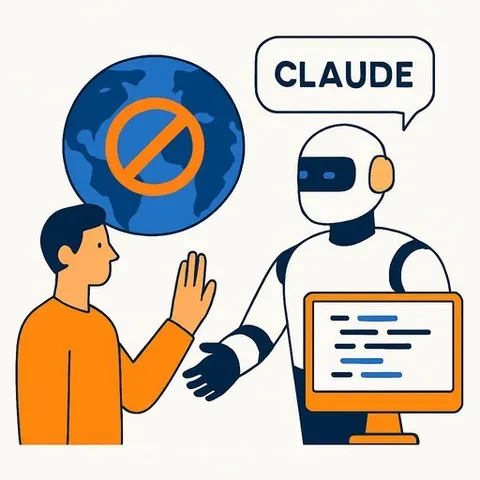
Anthropic has proposed a coordinated mechanism for top artificial intelligence companies to pause or slow the development of advanced AI systems. The company warns that as these models improve at autonomous software tasks, humans could lose control of the technology, prompting a push for industry-wide safety brakes.
The push for a coordinated pause
As AI models execute autonomous software tasks like coding with increasing speed, the AI for IT & Development field faces new pressure to establish safety protocols. Anthropic stated in a blog post that the industry needs an option to temporarily halt progress. The company said its internal research institute plans to collaborate with others and take actions to build systems for a credible slowdown, though it did not specify the methods.
This coordination aims to verify that rival labs have actually stopped their work. Anthropic co-founder Jack Clark and research institute head Marina Favaro wrote that a verified pause prevents a bad actor from using a coordinated slowdown to secretly jump ahead in development.
Industry pushback and market context
OpenAI rejected this approach in a report published last week. The company argued that "democratic governments - not private companies acting alone - must ultimately determine the rules, safeguards, and accountability mechanisms." OpenAI added that decisions about the pace of AI innovation should not be left to any single lab or special interest group.
The debate over safety protocols arrives as Anthropic and OpenAI prepare for initial public offerings. Market expectations could value Anthropic at nearly a trillion dollars, raising the stakes for how these companies manage risk and regulatory scrutiny.
Emerging cybersecurity threats
The safety debate coincides with new warnings about AI-driven cyberattacks. Researchers at the University of Toronto recently demonstrated how AI tools can generate an adaptive AI worm that modifies its hacking strategy while spreading across a computing network.
Lead researcher Nicolas Papernot emphasized the broad nature of this threat. "I think it's really important that people understand that it's not just the biggest, most powerful language models that pose the security concerns," Papernot said.
The researchers developed this worm in a laboratory using an open-source AI tool, highlighting the urgent need for professionals to understand modern defense strategies through resources like the AI Learning Path for Cybersecurity Analysts. Papernot notified Canadian cybersecurity authorities prior to releasing the findings.
Why this matters for IT and development professionals
Software engineers and systems administrators must account for AI models that can independently write, test, and deploy code. The threat of recursive self-improvement means legacy infrastructure is no longer isolated from advanced automation.
Papernot noted that attackers previously targeted high-value systems like hospitals or electricity grids. Now, "that old laptop you have in your basement that you don't check on regularly doesn't seem like a very high-value target, but it can be used as a launch pad to attack these higher-value targets," he said. Secure coding practices and isolated network segments are now baseline requirements, not optional upgrades.