Apple at 50: Succession Planning, AI Lag, and the Question of Staying Relevant
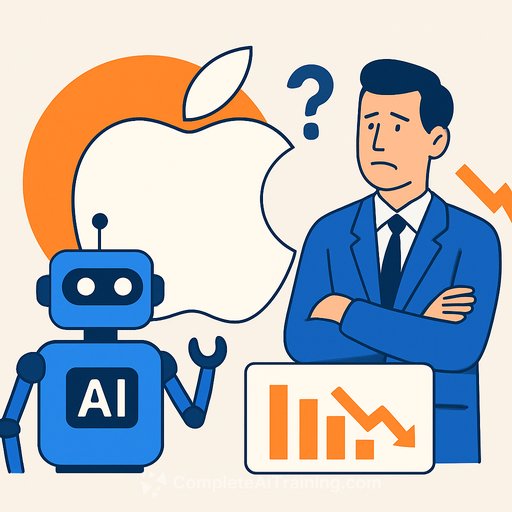
Apple marks its 50th anniversary facing three interconnected threats to its dominance: no clear path to replace CEO Tim Cook, a delayed response to generative AI, and slowing iPhone growth in mature markets. The world's most valuable company must resolve these challenges in the next 2-3 years to maintain its tech leadership into the next decade.
The Succession Problem
Cook, who is 66 this year, has given no public indication he plans to step down. But Apple's board knows the company cannot repeat what happened after Steve Jobs died-a period of uncertainty that nearly derailed the business.
Unlike Microsoft, which signaled Satya Nadella's rise years in advance, Apple keeps its leadership pipeline opaque. COO Jeff Williams and services chief Eddy Cue represent the established guard. Hardware engineering lead John Ternus and software chief Craig Federighi appear to be contenders, yet neither has been publicly positioned as heir apparent.
Apple's deliberate secrecy served the company well for product launches. It works against investors seeking visibility into leadership continuity. A former executive told industry observers: "Apple's succession planning is a black box, and that's intentional."
The company's cult of personality around its leaders makes transitions riskier than at competitors like Amazon and Google, which have cycled through CEOs with relative stability.
The AI Lag
Microsoft moved quickly into generative AI through its OpenAI partnership. Google released Gemini. Apple has remained quiet.
The company's traditional playbook-wait, watch, then perfect-worked for smartphones and smartwatches. Generative AI operates differently. The technology improves through massive user engagement and data feedback loops, advantages that accrue to companies that move first.
By staying on the sidelines, Apple risks ceding competitive ground it cannot easily reclaim.
The Premium Pricing Question
iPhone dominance has plateaued in saturated markets. The smartphone market has commoditized, putting pressure on Apple's premium brand positioning and pricing power.
Strategic decisions in the next few years will determine whether Apple's next 50 years match its legendary past, or whether the company enters a period of managed decline.
For executives and strategy leaders, Apple's situation offers a case study in how market leadership requires continuous renewal-both in succession planning and in staying ahead of technological shifts. Learn more about AI for Executives & Strategy and Generative AI and LLM to understand how companies navigate these transitions.
Your membership also unlocks: