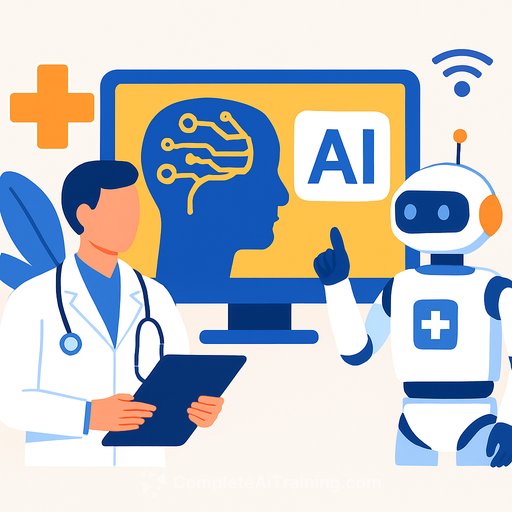
ARPA-H Moves AI Agents Into Clinical Trials With FDA Authorization
The Advanced Research Projects Agency for Health is developing artificial intelligence agents designed to operate within the U.S. healthcare system under FDA oversight. The agency has begun testing these systems in clinical trials, marking a shift from research prototypes to regulated medical tools.
ARPA-H's approach centers on creating AI agents that can make decisions and take actions within defined clinical environments. Unlike passive decision-support software, these agents operate with greater autonomy, though under human supervision and within parameters set by regulators.
What Sets These AI Agents Apart
The systems differ from earlier AI tools used in healthcare. Rather than simply flagging abnormalities in imaging or suggesting diagnoses, these agents can coordinate tasks across clinical workflows. They integrate with existing hospital systems and respond to real-time clinical data.
FDA authorization adds a regulatory requirement that wasn't present in earlier AI deployments. Developers must demonstrate safety and effectiveness through defined testing protocols before deployment.
Clinical Trial Status
ARPA-H has moved beyond simulation and is testing agents in actual clinical settings. The trials focus on measuring whether the systems perform intended functions reliably and whether they integrate effectively with clinical teams.
Results from early trials will inform how these systems scale across different healthcare settings. Performance data becomes public record through FDA submissions, creating accountability mechanisms absent from purely commercial AI deployments.
What This Means for Healthcare Workers
Clinicians should expect clearer regulatory pathways for AI tools entering their workflows. FDA authorization means these systems have documented performance standards, not just vendor claims.
The shift also suggests healthcare organizations will need staff trained on how these agents function and when to override their recommendations. Understanding AI for Healthcare systems is becoming part of clinical practice, not just IT infrastructure.
For those working in healthcare administration or clinical roles, familiarity with how Generative AI and LLM systems operate will help when these tools arrive in your organization.
Your membership also unlocks: