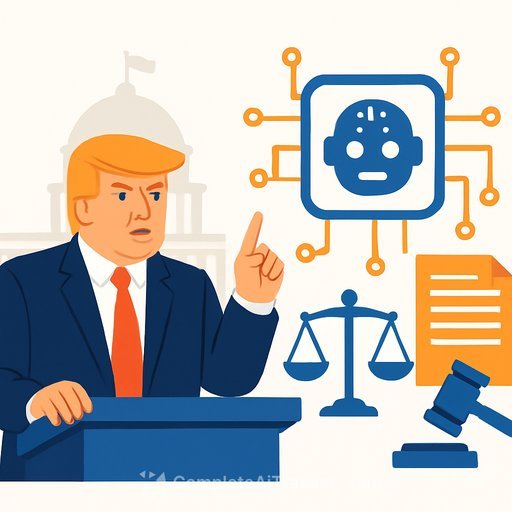
International Conference on Artificial Intelligence and Human Rights
The conference titled “Artificial Intelligence and Human Rights: Opportunities, Risks, and Visions for a Better Future” commenced in Doha on Tuesday. This two-day event is organised by the National Human Rights Committee (NHRC) in collaboration with the UN Development Programme (UNDP), the Office of the High Commissioner for Human Rights (OHCHR), the Global Alliance of National Human Rights Institutions (GANHRI), Qatar’s Ministry of Communications and Information Technology (MCIT), the National Cyber Security Agency, and other international organisations specializing in digital tools and technology.
HE Chairperson of the NHRC, Maryam bint Abdullah Al Attiyah, highlighted that the conference addresses one of the most urgent human rights challenges today: the rapid advances in artificial intelligence (AI) and their potential impact on individual rights worldwide. She stressed the need for a legal framework to regulate AI technologies, ensuring they respect privacy and other fundamental rights, and do not prioritize financial gain over ethical considerations.
The event aims to cover both the risks AI poses and the opportunities it offers human rights professionals globally. According to Al Attiyah, this topic demands focused attention as AI technology evolves continuously.
Participants and Objectives
Approximately 800 participants from around the globe are expected to take part. Attendees include government officials, policymakers, AI and technology experts, human rights defenders, legal professionals, AI ethics specialists, civil society representatives, academics, researchers, representatives from international organisations, private sector companies, and technology developers.
Panel discussions and working groups will focus on AI’s dual role as a tool for progress and a potential threat to human rights and democracy. The conference will serve as a platform to develop balanced approaches that ensure technological advancements align with fundamental human values and legal protections.
Core Themes and Topics
The conference is structured around 12 core themes, including:
- Foundations of AI: covering machine learning, natural language processing, and other fundamental concepts.
- AI and Privacy: examining the effects on personal data, surveillance, and privacy rights.
- Bias and Discrimination: addressing algorithmic bias and promoting fairness.
- Freedom of Expression: exploring AI’s role in content moderation, censorship, and protecting free speech.
Other significant discussions will focus on:
- Legal and ethical frameworks for responsible AI use.
- “AI and Security,” including militarization, armed conflict, and human rights protection.
- AI’s influence on democracy and inclusive participation in democratic institutions.
- The future of media through a human rights lens, balancing innovation with risk.
- AI’s impact on employment, labor rights, and economic inequality.
Conference Format and Outcomes
The sessions will feature high-level keynote speeches by senior leaders from relevant organisations, followed by panel discussions with experts in technology, ethics, law, and human rights. Case studies will highlight real-world examples where AI has positively or negatively affected human rights.
The conference seeks to foster multi-stakeholder dialogue among policymakers, technology experts, civil society, and the private sector. It aims to produce actionable policy recommendations and legal frameworks that ensure AI development respects human rights principles.
Qatar’s Ministry of Communications and Information Technology (MCIT) also collaborates in organising this event, reinforcing its commitment to the ethical deployment of emerging technologies in service of humanity.
Legal professionals interested in understanding the intersection of AI and human rights can find relevant resources and training courses at Complete AI Training.
Your membership also unlocks: