Artificial Intelligence in Battery Development
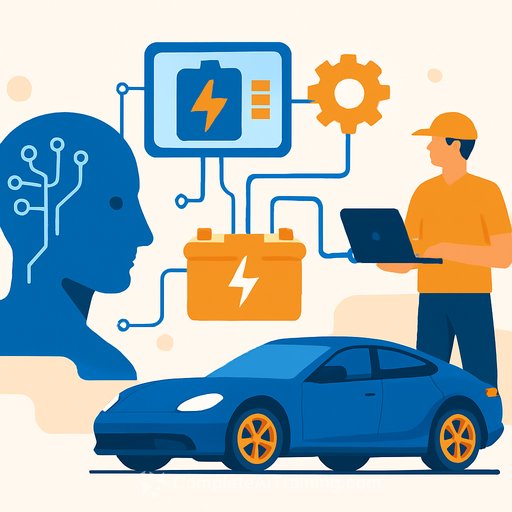
Artificial intelligence (AI) is increasingly essential for managing complex systems, such as battery-electric energy storage. The sheer volume of data generated by advanced sensors surpasses what traditional software can handle. For Porsche, integrating machine learning and AI into data analysis enables them to interpret vast datasets and varying conditions, delivering dependable insights into component behavior and interactions.
AI Applications in Battery Engineering
High-voltage batteries are intricate systems influenced by numerous external and internal factors. Porsche’s engineers leverage data analysis and AI to identify these influences and assess their impact on the energy system. AI aids in spotting irregularities in battery behavior early in development, analyzing how individual cells and entire battery modules balance their charge.
This balancing process ensures that the charge distribution across cells remains within expected parameters. When deviations occur, the data helps quickly pinpoint causes and underlying mechanisms. Simultaneously, this approach improves data quality during development, making analyses from customer vehicles more reliable.
Beyond conventional factors driving battery aging, modern AI-based methods reveal additional influences. Combining advanced data analysis with physicochemical models allows for precise forecasting and evaluation of battery aging in real-world use. Key optimization targets include range, charging time, system performance, weight, durability, and energy consumption.
Explainability is critical in AI-driven analysis to support informed decision-making during development. Porsche employs explainable AI techniques to ensure transparency. By blending AI insights with engineering expertise, they achieve accurate interpretations of battery performance and aging effects. This synergy informs intelligent system designs that mitigate identified aging factors.
Preventative Anomaly Detection in Practice
Porsche applies a forward-looking anomaly detection approach on battery data, exemplified by its use with the Porsche Macan’s battery. This method applies intelligent algorithms to detect deviations in battery behavior from streaming data in real time.
Once anomalies are flagged, they are decoded and assessed in the cloud. If an issue is deemed relevant, Porsche proactively notifies the driver with clear instructions through the MyPorsche app. This granular analysis extends to individual battery cells, aiming to preserve vehicle reliability and performance while anticipating potential issues before they escalate.
Innovations in Battery Systems
In related developments, Porsche Engineering has introduced a concept for an “AC battery” that consolidates the battery management system, inverter, low-voltage DC/DC converter, and onboard charger into a single component. This integration is controlled by a standardized control unit featuring a high-performance, real-time-capable computing platform, streamlining system architecture and control.
For professionals working in IT and development, understanding how AI integrates with hardware systems like batteries offers practical insights into combining data science with engineering to improve product performance and reliability.
To explore more about AI applications in development and data analysis, visit Complete AI Training for comprehensive courses and resources.
Your membership also unlocks: