
AI news ·
Artificial intelligence forces fashion companies to rethink organizational structure
AI is forcing fashion firms to overhaul structures for the first time in decades. A new memo warns that automating entry-level tasks threatens junior talent pipelines.
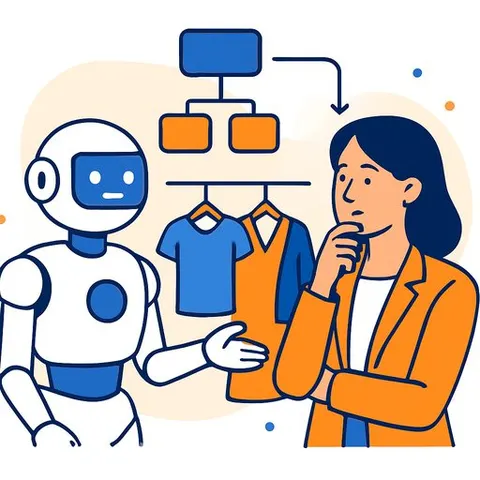
Artificial intelligence is forcing fashion companies to confront the most complex organisational challenge in decades - a shift that rewires how almost every function works at once, from design and merchandising to customer service. Unlike previous waves that created narrow new roles, AI demands that leaders rethink oversight structures, talent development, and external partnerships across the entire business.
A new memo from The Business of Fashion's Executive Membership lays out the core strategic questions for fashion executives. The guidance stresses that the strongest companies will invest in technology and the people required to apply it, avoid over-indexing on short-term cost savings, and stay clear about the human capabilities that drive a creative, relationship-based industry.
Where AI strategy should sit
The memo examines whether firms need a dedicated AI leader and where ownership of the technology should live. The question is urgent because AI cuts across traditional silos. Placing it inside IT risks reducing it to a tool-set, while lodging it in any single business unit can starve broader adoption. Some organisations are drawing on expertise in AI for Management to build governance models that balance central coordination with business-led experimentation.
The text warns against chasing isolated efficiency gains. Long-term value comes from aligning AI investments with the company's creative and commercial strategy, not from piecemeal automation projects.
What stays human - and how to protect junior talent
As automation expands, the memo highlights skills that remain uniquely human. These include aesthetic judgment, cultural instinct, and the relationship-building that underpins fashion's buying, merchandising, and partnership networks. The technology can accelerate research and generate options, but it cannot replace the taste and trust that define the industry.
That shift poses a direct threat to junior talent pipelines. When entry-level tasks get automated, young professionals lose the apprenticeship model that taught them the craft. The memo stresses that companies must design new learning paths - rotating junior staff through brief stints on AI-augmented projects, for example - rather than allowing the bottom rungs of the career ladder to disappear.
Rethinking agencies and consultants
The memo also probes whether AI will reduce reliance on external partners such as agencies and consultants. Where routine analysis and content creation can be handled internally with generative tools, some long-standing outsourcing arrangements may shrink. But outside expertise will remain essential for complex system integrations, bespoke model training, and strategic decisions where independent perspective adds value.
Leaders who treat AI as a wholesale replacement for external support risk hollowing out their teams' own capabilities, the memo cautions. Selective partnership will matter more than blanket offloading.
Why this matters for executives and strategy
Fashion leaders cannot delegate the AI conversation to a single hire. The memo makes clear that the competitive divide will widen between firms that embed the technology into their strategic fabric and those that treat it as a cost-cutting exercise. For executives shaping multi-year plans, the practical next step is to map which uniquely human strengths the organisation must protect and then identify where AI for Executives & Strategy frameworks can help structure that thinking before budgets lock in.