
AI news ·
Artist sues Copyright Office over rejection of AI-enhanced Van Gogh photo
Artist Ankit Sahni is suing the U.S. Copyright Office after it refused to register an image he made by blending his own photo with Van Gogh's Starry Night using an AI app. The office ruled he lacked sufficient creative control to claim authorship.
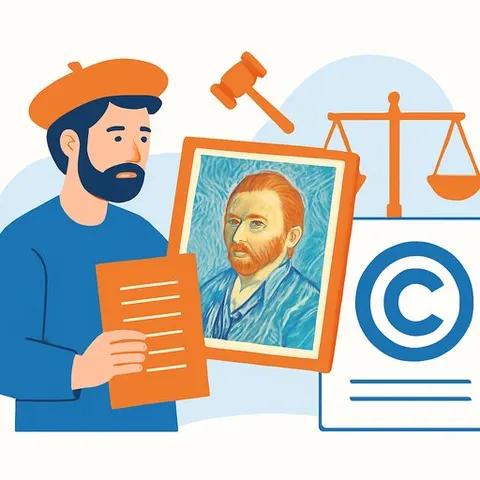
Artist Sues Copyright Office Over Rejection of AI-Enhanced Photo
Ankit Sahni is challenging the U.S. Copyright Office's refusal to register an image he created by combining his own photograph with Vincent Van Gogh's Starry Night. Sahni filed the lawsuit in the Central District of California earlier this month, nearly three years after the Copyright Office rejected his application.
The Copyright Office said Sahni did not exercise enough creative control to claim copyright. The agency determined that the RAGHAV app-which Sahni used to process the image-contributed too much to the final output for Sahni to be named as the author.
Sahni's complaint argues otherwise. He says he supplied "the baseline creative elements" by taking the original photograph and selecting the specific visual style he wanted the app to apply.
"The Author exercised creative control and input into the work by selecting himself taking the Base Photo, which established the baseline creative elements of the work, including that it would have buildings, a sunset, a large portion of the sky, and the relative location of each of these features," the complaint states.
He then chose Van Gogh's Starry Night as his style guide-selecting its color palette, brushstrokes, and curved lines-and used RAGHAV to merge those elements with his photograph while preserving the original composition.
What Makes This Case Different
Sahni's lawsuit differs from previous copyright disputes involving AI. In 2023, Dr. Stephen Thaler attempted to have a machine named as the author of an image. The Supreme Court declined to hear his case in March 2026.
Sahni is not claiming the AI tool is an author. Instead, he argues that he is the author because he made deliberate creative decisions-selecting the base image, choosing the artistic style, and directing the tool's output.
A similar case is moving through the courts. Artist Jason M. Allen sued the Copyright Office over its refusal to register his AI-generated image "Theatre D'opera Spatial," which won an art contest in Colorado. Allen said the rejection left him without legal recourse against others copying his work.
What's at Stake
These cases will shape how copyright law treats generative art and the role of human decision-making in AI-assisted work. The Copyright Office must determine where the line sits between tool use and authorship.
For creatives using AI tools, the outcome will affect whether they can legally protect their work from copying and commercial use by others.
Shira Perlmutter, Director of the Copyright Office, is named as the defendant in the case.