Artists reject generative AI to protect their craft
Three young creatives say they will not use generative AI in their artistic work, citing concerns about skill erosion, ethical training practices, and the loss of what makes human-made art valuable.
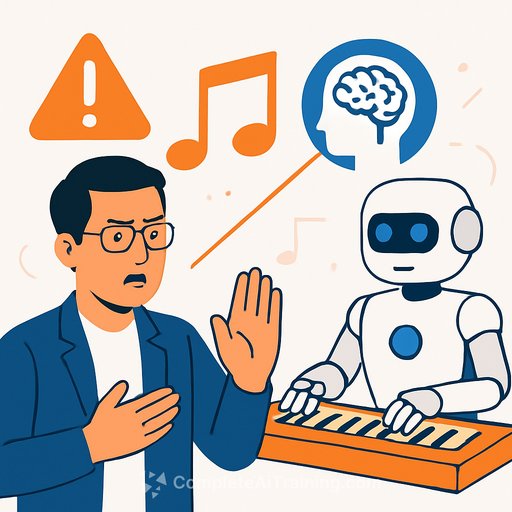
Riley Prescott, a tattoo apprentice in Tuscaloosa, Alabama, worries that design skills are becoming optional. "Before, being able to draw was a non-negotiable, but now if a tattooer wants to make a stencil for a whole back piece, all they have to do is a little trial and error with a few prompts," he said.
Generative AI companies train their models on human artwork without explicit consent or compensation. A Scientific American study found that people judge AI-generated art as "less morally acceptable" when aware of how these models were trained.
The legal status remains unclear. In March, the Supreme Court declined to hear a case about copyright protections for AI-generated art, leaving a lower court ruling intact: copyright law requires "human authorship."
Anna Cobb, a graphic design student, doesn't use generative AI and has watched it absorb fields requiring years of training. "It's fascinating how quickly people latched on to the idea of being able to achieve a finished product so quickly and without the skill barrier," she said.
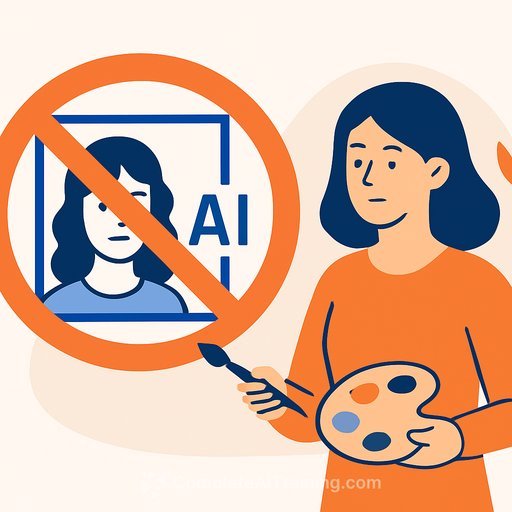
Lillie Ann Porter, who paints watercolors, hesitates to post her work online. "This is just going to be summarized and I've made less than the value that I've given to my pieces by pouring so much time and effort into them," she said.
Porter is creating a piece called "Pond Life" based on University of Alabama's animals and ecosystems. She wanted to remind people what's at stake. "These are the things that we're sacrificing to make life slightly easier. Is it worth it?"
Prescott uses AI for client communication-drafting emails to avoid confusion-but keeps it out of design entirely. "Every piece I work on is a new opportunity for learning and growth," he said.
Cobb believes the enthusiasm for generative AI will fade as people recognize human skill's irreplaceable value. "I think people are coming around to realize that AI is not as good as human people who know how to execute these functions in a good way," she said.
All three artists expressed commitment to human-centered creation. "I wouldn't trade design for convenience. I think that would ruin the magic," Prescott said.
For creatives navigating this shift, resources like AI for Creatives offer training on how to work with AI intentionally-choosing when and where to apply it rather than letting it replace core skills.
Your membership also unlocks: