
AI news ·
Audio branding relies on human musicianship and strategy alongside AI tools
AI-generated music falls into the public domain, giving brands zero copyright protection. Competitors can legally copy the tracks, undermining audio identities.
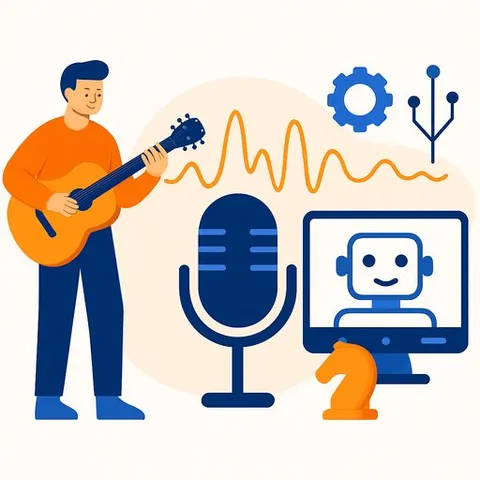
AI-generated music is being pitched for brand audio identities, but a growing chorus of audio professionals warns that relying solely on synthetic sound carries legal and creative risks. Without human authorship, AI-created works cannot be copyrighted, leaving brands without ownership of the sonic assets they deploy.
The copyright trap of AI-generated music
Works produced entirely by artificial intelligence fall into the public domain. That means any competitor could legally use the same piece of music. "Works created solely by AI cannot be copyrighted, they fall into the public domain," said a spokesperson for audio branding firm Sonic Minds. Because AI models train on vast libraries of existing recordings, the output also risks being too close to something already protected, creating potential infringement exposure.
Brands that treat AI music as a shortcut often overlook this ownership gap. A sound that cannot be legally protected undercuts the entire purpose of an audio identity: a unique, defensible asset that customers associate with one company.
Audio identity needs human craft
AI can generate variations quickly, but it cannot replace the strategic and emotional judgment that turns sound into a meaningful brand experience. Crafting a cohesive sonic system still requires musicianship, brand insight, and an understanding of user journeys. Drum machines didn't eliminate drummers-they expanded what was possible. The same dynamic holds for AI in music production, where human skill remains the foundation.
"When we choose to break the silence, it has to create more meaning than the silence itself," Sonic Minds said. "Otherwise, we're just making noise." That philosophy demands decisions that algorithms alone cannot make: what a listener should think, feel, or do when they hear a brand's sound.
Where AI helps in the process
Used as a tool under human direction, AI can accelerate parts of the workflow. AI-powered user testing gives fast, directional feedback on how an audience reacts to a piece of music, cutting weeks off traditional studies. For creatives exploring AI Learning Path for Vocal Artists & Songwriters, the technology also shows promise in remixing existing brand audio-building on a sonic DNA rather than starting from scratch.
Still, this only works with a trained musician guiding the process. "AI can give you a hundred directions in a minute. It still takes a trained ear to know which one is worth pursuing," Sonic Minds said. The value lies in removing friction, not judgment.
Why this matters for Creatives
For creative professionals, AI is a tool that can speed exploration and testing, but the core differentiator remains human craft. Clients need ownership and authenticity, two things that pure AI output cannot guarantee. The creatives who thrive will be those who combine AI fluency with deep musical and strategic skill-using the technology to enhance their work, not replace the thinking behind it. As the field of AI for Creatives matures, the demand for professionals who can navigate both worlds will only grow.