Australia Funds AI Safety Institute to Combat AI-Generated Child Abuse Content and Deliver a Clear National AI Plan
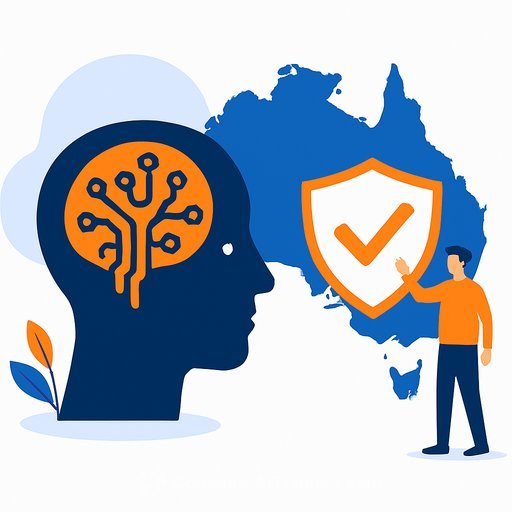
The federal government will invest almost $30 million to launch a dedicated AI Safety Institute, opening in 2026. Its core mission: prevent the creation and spread of AI-generated child exploitation material and strengthen national safeguards.
This move lands alongside the government's long-awaited national AI plan, developed since 2023, which sets direction for safe adoption across the economy. It follows earlier signals that AI is a national priority and that copyright settings will be updated to protect creative industries.
What the AI Safety Institute Will Do
The institute will build safeguards and monitoring systems to detect and disrupt AI-generated child abuse content. It will support law enforcement, work with technology companies, and guide consistent standards for safety, auditing, and incident response.
- Develop safety testing methods for high-risk use cases
- Advance detection tools and reporting pathways for illegal content
- Coordinate with agencies to align legal, technical, and operational controls
- Advise on procurement, evaluation, and data-handling practices
The National AI Plan: What's Changing Now
Industry Minister Senator Tim Ayres said the plan sets a path to capture AI's opportunities, spread benefits across the economy, and keep people safe. The plan aims to attract global investment while giving government, industry, and researchers clear direction.
- Pause on new "mandatory guardrails" for now; rely on strong, existing technology-neutral laws in the short term
- Embed AI in government operations via the secure GovAI platform
- Pilot responsible generative AI use in schools
- Lift digital and data skills across the public service
- Set frameworks for AI's energy and water usage
- Accelerate infrastructure investment, including data centres, to support local AI capability
- Ensure regional and disadvantaged communities are included so benefits are shared
The Business Council of Australia welcomed the plan, highlighting the potential for productivity gains and better services.
What This Means for Government Leaders
If you run a program, service, or policy team, expect clearer guidance and more coordinated tools. The priority is simple: adopt AI where it improves outcomes, and enforce strict controls where risks are highest-especially for child safety.
- Set risk tiers for AI use (low/medium/high) and align approval, testing, and oversight to each tier
- Require vendors to document model training data sources, safety controls, and incident reporting
- Enable human-in-the-loop for decisions that affect rights, access, or entitlements
- Log model prompts, outputs, and decisions for auditability
- Apply content-safety filtering and proactive scanning where lawful and proportionate
- Update privacy, records, and security policies to include AI-specific controls
- Coordinate across agencies to share detection methods and lessons learned
Implementation Priorities for the Next 6-12 Months
- Nominate an AI lead and cross-functional working group (policy, legal, security, procurement, CX)
- Inventory current and planned AI use; retire or fix shadow tools
- Stand up a lightweight model evaluation playbook (safety, bias, reliability, accessibility)
- Pilot AI in low-risk workflows first; measure service quality, cost, and time saved
- Publish transparent guidance for public use, feedback, and redress mechanisms
- Track energy and water metrics for AI workloads to meet upcoming frameworks
Skills and Capability for the Public Sector
Upskilling is part of the plan. Focus training on prompt quality, evaluation, privacy-first data use, and human oversight. Build capability in procurement and vendor due diligence so safety and accountability are baked in-not bolted on.
- Baseline training for all staff using AI-enabled tools
- Deeper training for AI champions, data stewards, and assurance functions
For practical, role-based learning paths, see curated options by job function at Complete AI Training.
Why Local Capability Matters
The plan backs local development where it aligns with national interests. Building secure infrastructure and skills at home gives agencies more control over safety, ethics, and service quality-while ensuring benefits reach communities first.
For broader context on safe and responsible AI policy, review the government's guidance here: Safe and Responsible AI in Australia.
Bottom Line
The institute is a clear signal: safety, especially for children, is non-negotiable. The national plan gives agencies permission to adopt AI where it works-and a mandate to prove it's safe, auditable, and energy-aware. Start with clear guardrails, measure outcomes, and keep people at the centre.
Your membership also unlocks: