
AI news ·
Australian creative industry welcomes prime minister's national artificial intelligence framework
Australia's PM confirmed copyright rules won't be weakened for AI training. Artists now demand tech firms pay licensing fees instead of scraping work for free.
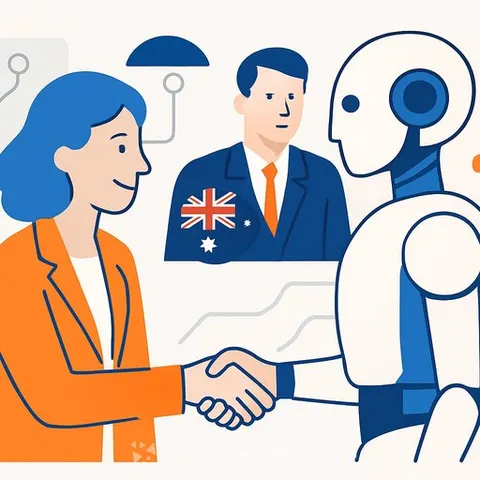
Australian artists and creators are pushing AI companies to negotiate licensing deals after Prime Minister Anthony Albanese said copyright protections would not be weakened to train artificial intelligence models. The assurance, delivered this week, drew immediate support from the country's music and creative sectors, who want it to become the foundation for binding agreements with technology firms.
The Australian Recording Industry Association (ARIA), which represents independent and major record labels, distributors, and musicians, said Albanese "couldn't have been clearer about creators keeping ownership and control of their work." The group is urging AI developers to strike commercial licensing arrangements with rights holders rather than scraping protected material without permission.
Copyright as a non-negotiable line
Albanese's national AI framework explicitly rejects the idea that creative works are free for the taking. His statement that copyright is not "up for grabs" to train models marks a significant stance as governments worldwide grapple with how to regulate generative AI. For AI for Creatives, the message is that existing intellectual property laws should apply to machine learning inputs just as they do to any other commercial use.
The framework does not yet include specific enforcement mechanisms, but the creative industry sees it as a starting point for mandatory transparency and compensation. ARIA and other groups want AI companies to disclose what data they use and to pay for it through licenses, mirroring the way streaming services pay royalties.
Industry reaction and next steps
Beyond music, visual artists and authors have echoed the call for licensing. The debate touches on Generative Art tools that can produce images, text, and sound in seconds, often trained on vast datasets scraped from the web. Creators argue that without licensing requirements, their livelihoods are at risk. "This isn't just about protecting individual artists," an ARIA spokesperson said. "It's about ensuring that Australia's creative economy isn't hollowed out by unchecked AI training practices."
The government has not yet indicated a timeline for turning the framework into legislation. However, the creative sector is preparing to push for concrete rules during upcoming consultations. Industry bodies plan to propose standardised licensing templates that would let AI companies access training data lawfully while compensating creators.
Why this matters for Creatives
If licensing becomes the norm, you could gain a new revenue stream each time your work is used to train an AI model. The framework signals that your copyright isn't erased by technology-it remains a tool you can negotiate with. Track the consultations and consider joining an industry association that can represent your interests in licensing discussions. The shift from free scraping to paid access could reshape how creative work is valued in the AI era.