Authors File Lawsuits Against OpenAI, Meta, Google over Alleged Use of Pirated Books for AI Training
AI systems are reshaping how content is produced and consumed, and that shift is now colliding with copyright law. A series of lawsuits filed in the U.S. District Court for the Northern District of California accuse OpenAI, Meta, and Google of using copyrighted books without permission to train commercial AI models.
The core claim: developers pulled works from online "shadow libraries" without licensing, compensation, or consent. That puts fair use, author control, and ethical data sourcing under a microscope.
What's Being Alleged
Plaintiffs say the companies accessed and copied books from LibGen, Z-Library, and OceanofPDF, then used those texts to train large language models. Generative AI and LLM
In short, the suits contend protected works were copied, studied, and embedded into AI systems. No agreements. No royalties.
Who's Suing and Why It Matters
The cases involve authors including John Carreyrou (author of "Bad Blood" and New York Times reporter), Philip Shishkin, Lisa Barretta, Jane Adams, Matthew Sacks, and Michael Kochin. Their works are alleged to be in training datasets powering chatbots and other generative tools.
For writers, the risk is clear: once books are ingested, models can mimic voice, style, and structure at scale. That pressures income streams and control over how work is used.
Legal Strategy and Jury Trial Demands
These suits aren't seeking class-action status. Plaintiffs are pursuing individual claims, aiming for higher statutory damages per title, restitution, attorney fees, and permanent injunctions to stop further use.
They're demanding jury trials on direct infringement and willful violation claims.
Company Responses and Legal Context
OpenAI, Meta, Google, Anthropic, xAI, and Perplexity did not immediately comment when asked by media. The filings join a growing set of cases testing how training data is sourced and whether certain uses qualify as fair use under U.S. law. This area also intersects with broader discussions around AI for Legal.
Courts will be weighing technical facts, licensing practices, and policy impacts on creative work. AI Research helps provide context on how training practices and dataset assembly have evolved, which may inform fair use analyses. You can review general guidance on fair use via the U.S. Copyright Office: copyright.gov/fair-use. The court handling many of these filings is here: cand.uscourts.gov.
Recent Cases Writers Are Watching
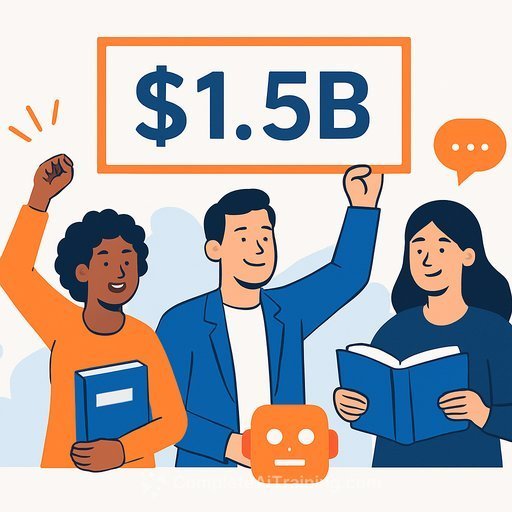
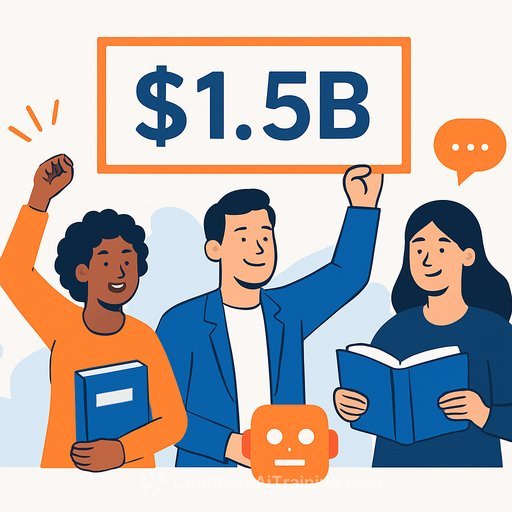
In 2025, Anthropic reportedly agreed to a $1.5B settlement with authors over claims it downloaded millions of pirated books for training. Other suits have alleged similar use of unlicensed texts by different companies, including smaller models.
Outcomes vary, but the pattern is consistent: authors want transparency, consent, and payment for training use of their work.
Common Defenses You'll Hear
Defendants often point to fair use, arguing that analyzing text to learn patterns is transformative and non-substitutive. Meta's past filings have leaned on fair use arguments and technical points around dataset assembly and torrenting.
Expect courts to probe whether these practices replace markets for books or fall within lawful analysis. The answer may differ across jurisdictions and fact patterns.
What This Means for Working Writers
Authors argue that unlicensed ingestion erodes control and value. If courts side with plaintiffs, licensing norms could form, and payments for training data may become standard practice.
If not, writers will likely push for legislative fixes, collective bargaining, or platform-level controls to set boundaries on AI training.
Action Checklist for Authors
- Register your works with your national copyright office. Statutory damages and enforcement options are stronger when registration is on file.
- Update contracts with publishers, platforms, and clients to include explicit AI training clauses (consent, scope, compensation, and audit rights).
- State your policy on your website and in ebooks: disallow dataset use without written permission. Add clear terms and contact details for licensing.
- Monitor exposure: set up alerts for your book titles, unique phrases, and character names; test major models for memorized passages and take screenshots.
- Preserve evidence: keep drafts, timestamps, ISBNs, registration certificates, and proof of first publication.
- Join advocacy groups (e.g., authors' organizations) for updates, legal resources, and potential collective actions.
- Use opt-outs where available, but treat them as supplemental. Opt-outs are policy choices, not legal protections.
- Watermark and seed variations in digital editions to track leaks and provenance. Small, unique markers can help identify unauthorized copies.
If You Suspect Your Work Was Used
- Document exact outputs from AI systems that appear to reproduce your text; capture model version, date, and prompts.
- List affected titles, registration numbers, and publication dates; keep purchase receipts and distribution records.
- Consult an attorney on options (demand letters, DMCA notices, settlement talks, or litigation). This is a fast-moving area-timelines matter.
- Coordinate with your publisher regarding rights, contracts, and any indemnities.
For Publishers and Writing Teams
- Audit data-sharing with vendors. Require warranties that training data is licensed, plus indemnity and dataset provenance logs.
- Set internal policies for AI-assisted workflows: disclosure, human review, and rights checks for any generated or derivative content.
- Establish a takedown process for piracy and dataset scraping; track notices and responses.
Useful Links
Learn Ethical, Writer-Friendly AI Workflows
If you want to work with AI tools without giving up control, start with resources built for writers. Explore tool stacks and policies that respect rights and reduce risk.
- AI tools for copywriting
- Courses by job
The Bottom Line
These lawsuits are a clear signal: authors want consent, credit, and compensation. Courts will define boundaries, but you don't have to wait to protect your catalog.
Lock down your rights, document everything, and set clear terms. If AI companies want your work in their models, they should license it-just like any other professional use.
Your membership also unlocks: