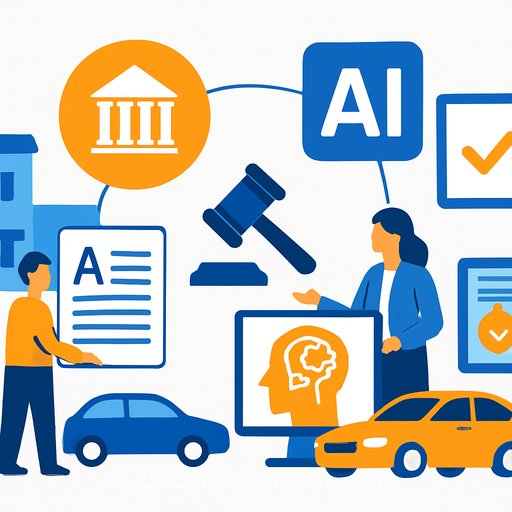
Auto lenders and dealership finance offices face AI compliance maze as federal and state rules collide
Auto lenders and dealership finance and insurance offices could face state-level enforcement action if their AI systems violate existing statutes or compliance rules, according to legal experts.
The issue stems from a mismatch between federal guidance and state regulations. While federal agencies have begun issuing AI oversight frameworks, state attorneys general can enforce their own consumer protection laws against AI-driven lending and insurance decisions that discriminate, deceive, or harm borrowers.
Finance professionals in dealerships need to understand which rules apply in their states. Some states have passed AI-specific legislation. Others rely on existing fair lending laws, consumer protection statutes, and insurance regulations that were written before AI became common in F&I offices.
Where the gaps exist
Federal regulators have not issued uniform AI compliance standards for auto lending. The Federal Trade Commission has warned companies about deceptive AI practices, but it hasn't created prescriptive rules for how lenders should test, audit, or disclose AI systems to consumers.
State regulators operate independently. A compliance approach that works in one state may violate rules in another. An AI system that makes lending decisions in California faces different legal scrutiny than the same system used in Texas or New York.
Dealership F&I offices often use AI to assess credit risk, set interest rates, and recommend insurance products. If these systems produce disparate outcomes across racial or ethnic groups-even unintentionally-state attorneys general can pursue enforcement actions under fair lending statutes.
What finance teams should do
Conduct an audit of any AI systems currently in use. Document what data the system uses, how it makes decisions, and what outcomes it produces across different customer groups.
Review state-specific rules. Finance teams should consult legal counsel in states where they operate to understand which compliance obligations apply to their AI use.
Test for bias. Run regular audits to check whether AI systems produce disparate lending or pricing outcomes. If they do, address the root cause before the system causes legal exposure.
Maintain transparency. Be prepared to explain to regulators and customers how AI factors into lending decisions. Some states may require explicit disclosure when AI is used in credit decisions.
Learn more about AI for Finance and AI for Insurance to understand how these tools work and where compliance risks emerge.
Your membership also unlocks: