Avathon Launches AI-Powered Classification for Global Trade Management
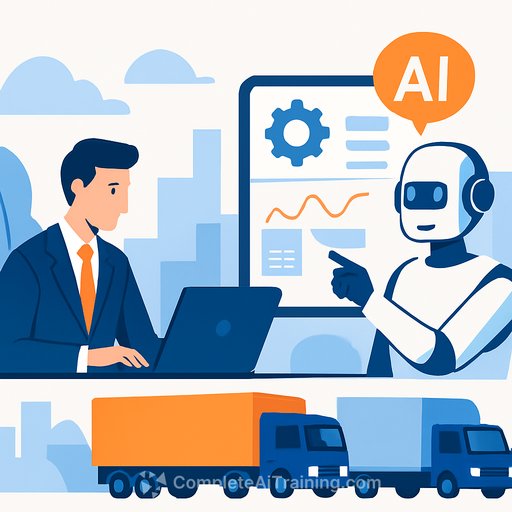
Avathon introduced an AI-driven global trade management solution, built on the Avathon Autonomy Platform, to help companies operate with greater speed, accuracy, and efficiency in a volatile trade environment. The focus: faster, consistent classification, cleaner compliance, and lower landed costs at scale.
"Global trade is not just about moving goods; it is about anticipating risk, seizing opportunity, and ensuring resilience at every step of the supply chain," says Pervinder Johar, CEO of Avathon. "Our focus goes beyond efficiency gains, where we're building autonomous supply chains that learn, adapt, and create lasting competitive advantage in a constantly shifting world."
What's new
- Automated HS Classification: AI agents review product descriptions, specs, and BOMs to assign codes with consistency and explainability.
- Country of Origin Determination: Tracks sourcing and manufacturing steps across multi-tier suppliers to meet jurisdictional rules.
- Duty Optimization: Flags tariff engineering opportunities, alternative headings, and FTA eligibility to reduce landed cost.
- Immutable Audit Trail: Stores decision evidence, confidence scores, and overrides for fast, audit-ready responses.
- Continuous Compliance Monitoring: Re-checks classifications and tariffs as rules and rates change so decisions stay current.
Why it matters for management
- Cost control: Systematically identify FTA savings and alternative headings to cut duty spend without adding headcount.
- Risk reduction: A clear audit trail and revalidation reduce exposure to penalties and shipment delays.
- Cycle time: Faster classification supports quicker onboarding of SKUs and new product launches.
- Scalability: AI handles volume spikes and product churn while keeping governance intact.
- Talent leverage: Specialists focus on edge cases and policy, not manual lookups.
Implementation notes
- Data readiness: Ensure clean product specs, BOMs, and manufacturing steps; connect PLM/ERP/SCM systems.
- Policy guardrails: Define escalation paths, override permissions, and confidence thresholds.
- Change management: Train teams on reviewing AI decisions, documenting rationale, and handling exceptions.
- KPIs: Track classification cycle time, duty variance, rework rate, audit findings, and savings captured.
- Governance: Schedule periodic reviews of model performance and rule updates with trade counsel.
For context on standards and rules, see the Harmonized System from the World Customs Organization and Rules of Origin guidance:
First steps for leaders
- Pick a pilot domain: One product family with high duty exposure or frequent classification disputes.
- Baseline and target: Current duty spend, cycle time, error rate; set savings and SLA goals.
- Integrate data: Connect product master, BOMs, supplier origin proofs, and historical rulings.
- Stand up controls: Define override rules, evidence retention, and audit access.
- Upskill the team: Train analysts to validate AI suggestions and document outcomes.
If you're upskilling operations and compliance teams on AI-driven workflows, explore practical training programs here: AI Automation Certification.
Your membership also unlocks: