AWP 2026 Takes On AI-and Reaffirms the Human Core of Writing
Baltimore packed in 10,500 writers, editors, teachers, and readers from March 4-7. The conversations circled AI, but the takeaway was clear: writing is a human act, and the demand for it is alive and loud. The bookfair lines stretched, rooms hit capacity, and the buzz wasn't hype-it was people hungry for stories and connection. AWP reported 650 exhibitors, 366 on-site events, and 180 off-site gatherings spread across the city.
What Writers Actually Did in Baltimore
The bookfair opened at 9 a.m. on Thursday and was instantly swarmed. Sales moved fast-Transit Books logged $1,300 by mid-day Friday-and the foot traffic never let up. Publishers noticed more genuine readers at their tables and fewer "how do I submit?" questions. Off-site, the city carried the culture: readings at Red Emma's, a packed gathering at Blue Light Junction, and late nights where colleagues who work remotely finally met face to face.
AI on the Table: What Editors and Authors Said
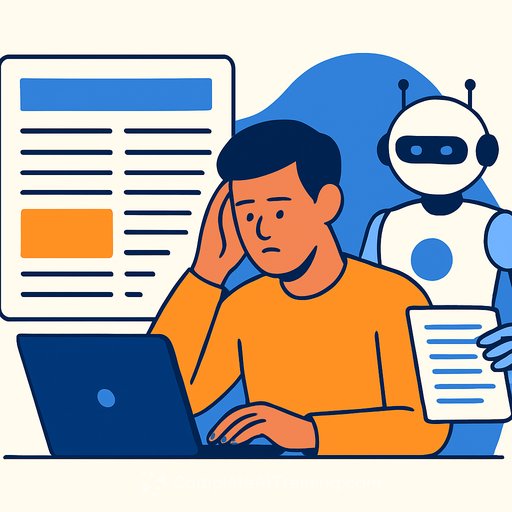
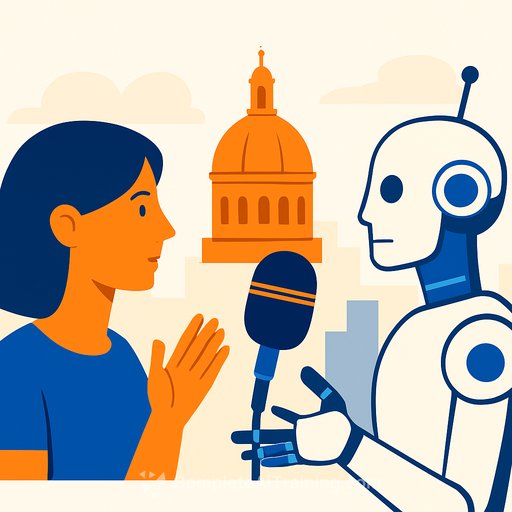
One standing-room session put it plainly: generative systems don't create meaning or truth, so don't hand them your prose. Editors pointed to practical wins-think table-of-contents checks, quick cross-references, or sanity checks for structure-while drawing a hard line at voice and intent. Human editors advocate for the reader; they hear clarity, tone, and subtext that a model can't. Ethical concerns surfaced too, from training on unlicensed books to the tech's carbon cost.
There was also a cautious curveball: use AI to study genre patterns, not to write. For example, testing how a piece might read if shifted from women's fiction to romantic suspense-strictly as a learning tool. The message: if you try it, know why, own the result, and don't publish machine text as your prose.
Speculation, Ethics, and the Story That Still Matters
On the speculative side, writers pressed for realism about AI's downsides-especially environmental impact-over feel-good mythologies. One author joked that in a grittier Star Trek, Commander Data would be "effusing methane." Another reminder landed well: even in AI stories, keep the focus on people. A good novel uses the tech as a mirror for what we fear, want, and risk losing-not as the point of the plot.
PEN America Session: Boundaries in Practice
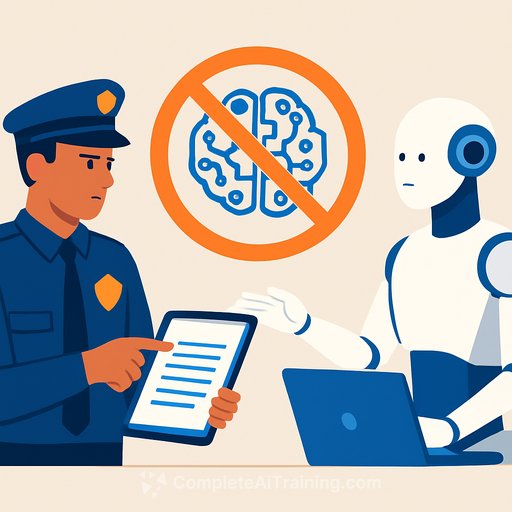
A PEN America event drew a hard boundary: some writers avoid AI entirely to protect their thinking and prose patterns. Others who report on tech still refuse to "collaborate" with chatbots in their books, instead using machine text sparingly to highlight how thin it feels next to human voice. The net effect: clarity over shortcuts, and a firm grip on intent. Learn more about the organization's stance at PEN America.
Sales Proved the Appetite
By Saturday, people were tired, hoarse, and still buying. New Directions was nearly out of books, buoyed by fans of László Krasznahorkai. LittlePuss moved more than 200 copies and stood amid empty boxes with a grin. The keynote set the tone too: libraries, we heard, should be able to "give a kid any book they want," and a writer becomes a writer when they win over the third reader-someone who isn't their mother or "the person they're fucking."
What This Means for Your Work
- Keep AI in the admin lane. Use it for checklists, TOCs, scheduling, or quick triage-not drafting or voice.
- Study, don't outsource. If you test genre shifts with a model, treat outputs as study notes. Write the real thing yourself.
- Edit for a real reader. Ask: where does meaning wobble, where does the rhythm die, where will someone put the book down?
- Be open about tools. Consider consent and energy costs before you add AI to your process, and be transparent if you do.
- Invest in people. Go to readings, talk shop, share your next project. The line out the door proves this is what matters.
Further Learning
If you're exploring tools carefully, start here: AI for Writers and Prompt Engineering.
Event Snapshot
- Dates: March 4-7, 2026 * Location: Baltimore Convention Center
- Attendance: 10,500
- Exhibitors: 650
- On-site events: 366
- Off-site gatherings: 180 across the city
The signal from AWP 2026 is simple: write for humans. Use tools where they save time, not where they steal your voice. The third reader is out there-earn them.
Your membership also unlocks: