The Importance of Using AI Ethically, Thoughtfully, and Creatively
Date: 08/05/2025
Location: Oakland, USA
Tim Schatz, VP of Data and Innovation at H/L Advertising Agency, shares insights on how AI is being integrated into creative workflows. He also discusses the recent controversy around Studio Ghibli AI-style art and how attitudes toward AI are shifting within the creative industry.
How AI Is Impacting Creative Workflows
At H/L, AI has proven most useful in writing code—Python, SQL, and other languages that support data workflows—and in conducting research. This combination has saved time and sped up work across departments by quickly gathering and synthesizing intelligence for campaigns.
Beyond efficiency, AI contributes to higher quality in strategic and creative thinking. It enables the team to inject deeper insights and audience-specific details into every campaign, even those with smaller scopes or tight deadlines. By blending first-party data with client input and market research, AI helps sharpen the strategic focus that leads to more impactful creative work.
Challenges of Working with AI in Creativity
One key challenge is fitting AI naturally into creative processes. While AI tools can produce visuals or videos, they often lack the precision or control needed to fully realize creative visions. The fast pace of AI development also makes it difficult to standardize workflows.
To address this, ongoing experimentation and building internal expertise around different tools’ strengths and limitations are essential. This approach helps teams find the right use cases for AI, allowing it to complement rather than complicate creative work.
Balancing AI and Human Creativity
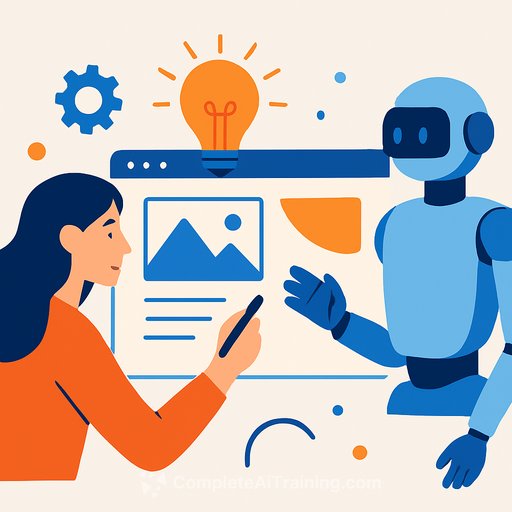
AI is treated as a co-pilot—not a replacement for human creativity. It supports ideation, scripting, and storyboarding but doesn't substitute the emotional depth, cultural awareness, and storytelling instincts that only humans provide. The most successful outcomes come from using AI to amplify human ingenuity rather than imitate it.
Clearing Up Misconceptions About AI
There’s a common misconception that AI is either a magical fix or a threat to creativity. In reality, AI is a tool that needs thoughtful integration and steady oversight. It can improve processes but doesn’t remove the need for human judgment, creativity, and ethical considerations.
Ethical Considerations in AI Use
A major ethical concern is respecting original artistry and creative processes. The recent surge in Studio Ghibli-style art generated by AI raises questions. While technically impressive, it mimics Hayao Miyazaki’s distinctive style without honoring the intent and craft behind the original work.
The challenge for agencies is to embrace AI tools without undermining what makes creative work meaningful. AI can speed up and scale some tasks, but it should never replace the human spark behind great creativity.
Changing Attitudes Toward AI
Initially, AI sparked skepticism and overwhelm. Now, there’s more curiosity and openness to exploring its possibilities, balanced by a healthy dose of caution. Teams and clients are asking better questions about AI’s use, output quality, and long-term impact.
Looking Ahead: AI and Creativity’s Future
There’s reason to be optimistic. AI can open up new formats, democratize access to quality tools, and enable fresh ways to tell stories. However, this optimism must be paired with intentional, ethical, and creative use of AI to ensure a positive future.
AI can also create new forms of art and media that weren’t possible before. From immersive, real-time audience experiences to data-driven narratives that evolve dynamically, the possibilities are just beginning to surface.
AI’s Medium-Term Impact on Creative Roles
For roles like Tim’s, AI is already changing work by automating technical tasks, speeding up insight generation, and improving collaboration. The future will likely demand hybrid skills that blend analysis, creativity, and technical fluency.
Still, the core of the work—strategic thinking, intuition, creativity, and ethical decision-making—will remain rooted in human expertise. That’s where the real value continues to lie.
To explore AI courses that can help you integrate these tools thoughtfully into your creative work, check out Complete AI Training’s latest AI courses.
Your membership also unlocks: