Health Systems Should Build Secure AI Tools In-House to Stop Clinicians Using Consumer Apps
Health systems need to work with vendors to develop secure, user-friendly AI tools designed for clinical work. Without them, clinicians will turn to consumer AI applications-creating data security and compliance risks.
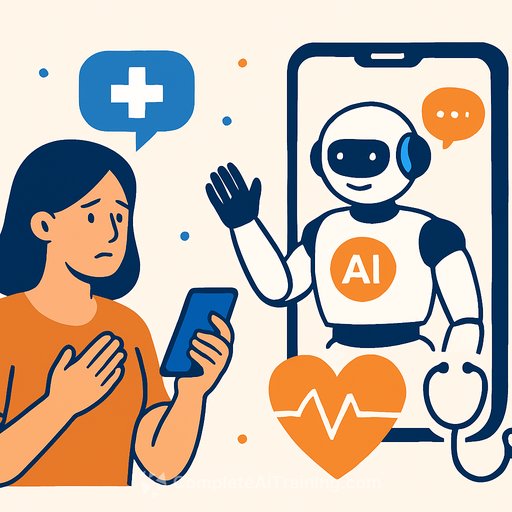
Patrick Bizeau, CIO of Swiss Medical Network, made the case at HIMSS26 in March. The problem is straightforward: if clinicians lack approved AI tools that are easy to use, they'll use whatever's available, including ChatGPT and other public platforms.
The Shadow AI Problem
Consumer AI tools weren't built for healthcare. They don't meet regulatory requirements, they don't protect patient data, and they create liability for organizations. When clinicians adopt them without IT oversight, health systems lose visibility and control.
Bizeau's argument cuts through the usual vendor pitch. The solution isn't to ban tools or lecture staff. It's to make official AI tools so practical and secure that clinicians prefer them.
What This Means for Healthcare IT
Health systems should prioritize AI for Healthcare solutions that clinicians actually want to use. That means speed, accuracy, and integration with existing workflows-not just compliance checkboxes.
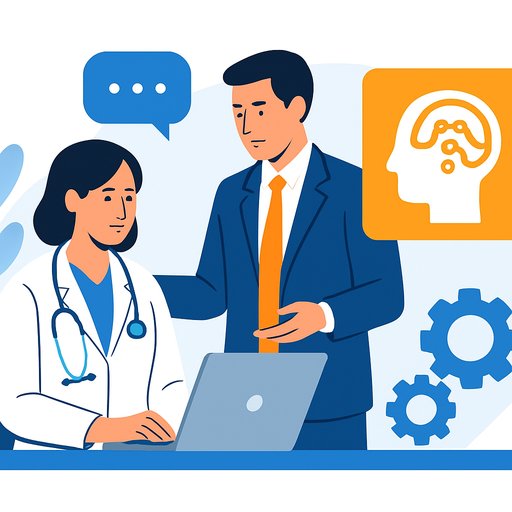
Understanding Generative AI and LLM capabilities helps IT leaders and clinical teams collaborate on the right specifications. Clinicians need tools that solve real problems in their daily work.
The alternative-trying to prevent clinicians from using consumer AI through policy alone-doesn't work. People find workarounds when official tools don't meet their needs.
Health systems that build or procure purpose-built clinical AI tools first will reduce shadow IT adoption and keep patient data secure.
Your membership also unlocks: