AI-Supported Debate: A Practical Complement to Standardized Testing
Standardized tests matter. They let systems compare achievement, spot gaps, and track progress. But short, fixed-response questions struggle to capture the skills families and employers keep asking for: clear communication, sound judgment, curiosity, and grit.
Structured debate fills that gap. It trains students to make a claim, support it with evidence, and meet the best counterargument head-on. The catch is workload. Debate takes time to plan, facilitate, and synthesize. This is where AI can help-supporting the teacher before, during, and after class, while the teacher sets the goals, rules, and norms.
The Need for a New Learning Model
Many classrooms still center on assessments that can be graded fast and consistently. Useful, yes-but that format leaves little room for extended reasoning, revision, and real dialogue. Debate gives students deliberate practice in those areas.
Global guidance backs this shift. Organizations have pushed schools to prioritize critical thinking and collaboration because students will face complex social and economic challenges as adults. See UNESCO's 2030 framework for context. Yet access is uneven. Well-resourced schools tend to offer debate; many rural and low-income communities do not.
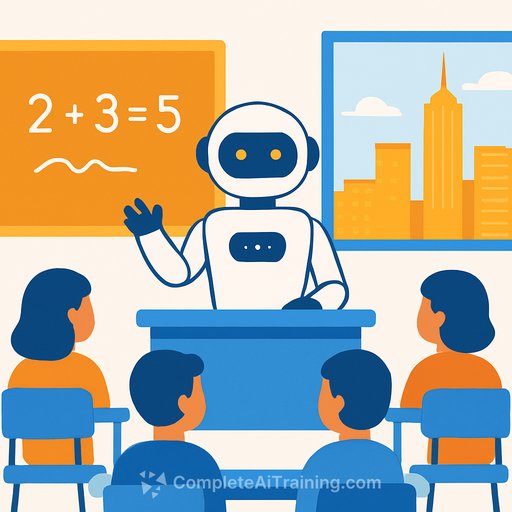
AI lowers the barrier. It can generate prompts, synthesize counterpoints, and summarize discussion artifacts-so teachers can run debate-centered lessons more often and use the resulting work as one input in a broader picture of learning.
Four Ways AI Makes Debate Feasible (With Guardrails)
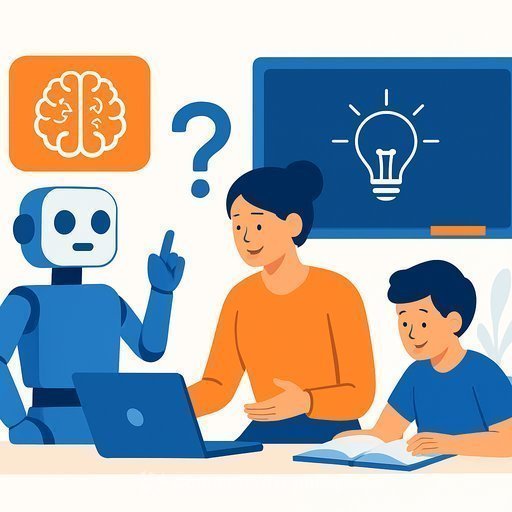
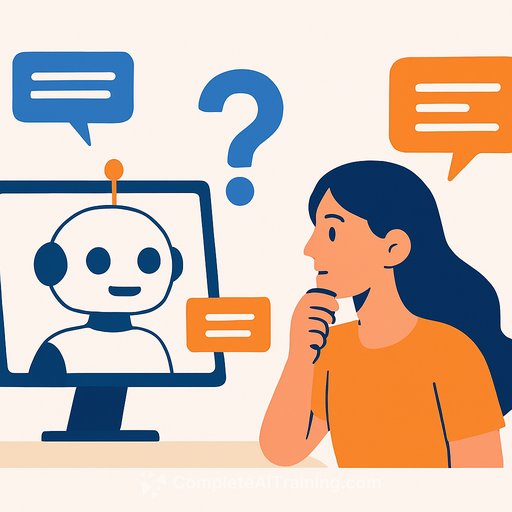
- A practice partner, not a substitute for peers. An AI tool can probe claims, ask for clarification, and surface alternative explanations so students walk into class better prepared. Keep the human interaction as the main event. Use AI for preparation and reflection, not as a stand-in for live discourse.
- Step-by-step support for different skill levels. In one room, you'll have hesitant speakers and confident analysts. AI can provide custom sentence starters, evidence examples, and increasingly challenging follow-ups. Scaffolding helps more students enter the conversation while still pushing advanced learners.
- Better exposure to counterarguments. Students grow when they face strong objections. AI can assemble a balanced set of counterpoints quickly, including angles students may not encounter locally. Because AI can generate errors, anchor debates in vetted materials and make source-checking part of the task.
- Feedback teachers can use, with clear limits. AI can summarize a debate, flag missing evidence, and highlight reasoning patterns a teacher might miss in the moment. Treat that as decision support, not a final grade. Teachers remain the arbiters, and schools should be transparent about what data is collected and how it's used.
Keep Screens Down, Talk Time Up
Concerned about more screen time? Debate-centered instruction is inherently social-speaking, listening, responding. You can keep devices closed for most of class by shifting the AI work to before and after the discussion.
Before class, use AI to draft the prompt, assign roles, and compile a short evidence packet. Students annotate on paper and debate in small groups or as a class. Afterward, use AI to organize notes, summarize claims, and identify common gaps to target next.
Example: A Middle School Civics Debate
Topic: Should cities restrict short-term rentals? Students get a one-page evidence sheet and open a debate platform that assigns roles and keeps time. As they speak, the platform offers quiet prompts like "State your claim in one sentence," "Cite one piece of evidence," or "Answer the strongest objection you just heard." Students who need structure see more prompts; prepared students see fewer. The teacher circulates and listens.
Post-debate, the platform generates a brief report aligned to a simple rubric: clarity of claim, use of evidence, engagement with counterarguments, and civility tied to class norms. The teacher reviews, adjusts, and assigns a short follow-up writing task: revise your position based on the best opposing argument you encountered.
What Debate-Centered Learning Builds
Debate pushes students beyond recall. They learn to organize ideas, select relevant evidence, and anticipate challenges. Over time, this supports transfer: students adopt a repeatable way to weigh evidence and revise positions across subjects. Communication improves too-listening closely, speaking clearly, and thinking on their feet.
Longitudinal evidence backs this up. A ten-year study of the Chicago Urban Debate League found participants were more likely to graduate and scored higher on standardized reading and writing than non-debaters, even after controlling for prior achievement and socioeconomic background. Students also reported greater resilience and academic self-efficacy.
Under transparent rules and norms, debate builds social and civic engagement. Students learn to separate people from ideas, critique claims respectfully, and treat disagreement as a normal part of learning.
Expanding Access With AI
Debate has traditionally been concentrated in selective programs or well-resourced schools. If AI reduces prep time, more teachers can embed short debates in ELA, history, science, and civics without overhauling their courses. Organizations like the National Association for Urban Debate Leagues expand opportunities, but day-to-day classroom use is where scale happens.
- Wider reach. Teachers anywhere can generate prompts, role cards, and evidence packets aligned to their curriculum-even without local coaching expertise.
- Flexible formats. Try five-minute claim-and-rebuttal sprints, Socratic-style rounds, or full-period debates. Mix oral and written responses based on age and goals.
- Bridging opportunity gaps. When debate becomes part of regular instruction at modest cost, more students-especially in lower-income schools-gain sustained practice with reasoning and communication.
Guardrails and Next Steps
Standardized tests still matter for system-level visibility. Debate complements them by strengthening the harder-to-measure skills: reasoning through contested questions and communicating clearly. AI can help teachers run more structured discussions, expose students to better counterarguments, and keep screens closed during class.
Start small. Pilot in one unit, measure impact on writing and reasoning, and set clear guardrails on accuracy, privacy, and the role of teacher judgment. Keep the teacher in control, the sources vetted, and the conversations live.
If your team needs practical PD on using AI to support instruction, explore Complete AI Training for courses that focus on classroom-ready workflows.
Your membership also unlocks: