Smart Tourism: Use AI to Improve Guest Flow, Not Replace Human Hospitality
AI has seeped into every corner of business, yet in travel and tourism it's mostly used for back-of-house efficiency. That leaves a gap: the guest experience. As we enter the second quarter of the 21st century, it's time to make AI work for travelers, staff, and local communities-without stripping the soul out of travel.
The goal is simple: use technology to manage flows, reduce crowding, and guide people toward richer, more local experiences. Keep the welcome human.
First, a quick reality check
There's noise around an AI bubble and the risk of overvalued tech stocks. Even central banks have flagged concerns about sharp corrections in asset prices linked to tech enthusiasm. See the Bank of England's Financial Stability reports for context: bankofengland.co.uk.
And the accuracy problem is real. Independent reviews have shown high hallucination rates in common assistants. For guest-facing use, that means human oversight and tight guardrails aren't optional.
What "smart tourism" should mean
Don't chase novelty for its own sake. Use AI to balance demand, ease pressure on hotspots, and help visitors connect with real people and places. Think of it as intelligent crowd and content management with a human core.
- Spread visits across time and place with dynamic routing and timed entries.
- Surface lesser-known neighborhoods, local venues, and community-led experiences.
- Give clear behavior tips (noise, waste, cultural norms) in the guest's language via Translation.
- Measure and respond to crowd density in real time to avoid overload.
A guest story that sets the bar
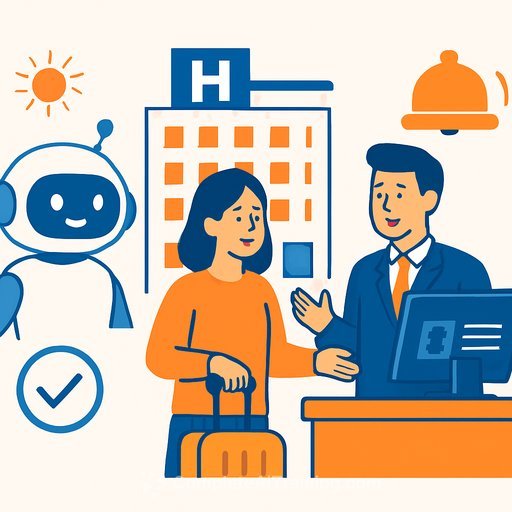
An Australian traveler checks in from a taxi, a robot porter takes the bags, a phone unlocks the room, and a voice assistant handles lights, curtains, and dinner suggestions. It's slick-and it works.
But few guests want a fully automated stay on repeat. Most still prefer meeting local hosts, tasting local food, and getting that warm, human welcome. Let the tech clear friction so staff can create moments guests actually remember.
The practical playbook for hospitality and events teams
- Map the guest journey: Pre-trip, arrival, stay, departure. Mark the bottlenecks. Add AI where it saves time (identity checks, Translation, queue forecasts), not where it kills connection.
- Rebalance demand: Use occupancy and footfall data to recommend off-peak slots and alternate routes. Offer perks for shoulder hours and lesser-known sites.
- Personalize without being creepy: Keep preferences on-device where possible, gain explicit consent, and give an easy opt-out. Be clear about data use.
- Curate local experiences: Partner with community groups and small businesses. Build a vetted database of events, workshops, and eateries beyond the top-10 list.
- Free staff for hospitality: Automate repetitive tasks (forms, FAQs, room controls) so teams can focus on greetings, problem-solving, and local recommendations.
- Accuracy and safety: Add human review to itineraries and recommendations. Test prompts, monitor failure cases, and set up fast handoff to a real person.
- Accessibility first: Voice control, large-text modes, multi-language support, and offline functionality. Make it useful for everyone.
- Measure what matters: Track NPS, time-in-queue, staff time shifted to guest-facing work, visits to secondary areas, complaints about crowding, and local spend.
High-impact use cases (without the gimmicks)
- AI Learning Path for Production Planners: Adjust staffing and inventory by property, hour, and segment.
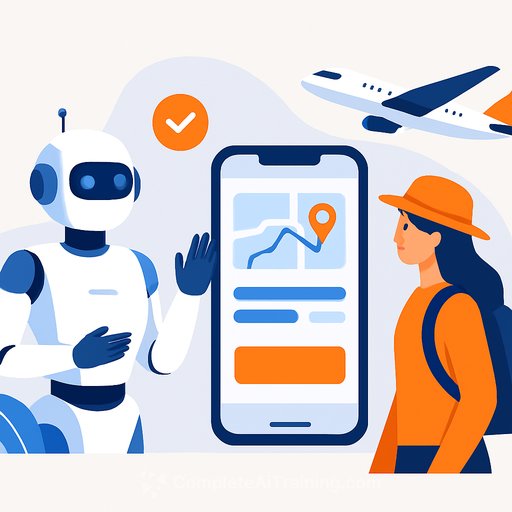
- Dynamic wayfinding: Guide foot traffic based on live density and transit data.
- Guest messaging: Multilingual chat for directions, policies, and quick fixes, with one-tap escalation to staff.
- Content QA: Fact-check and refresh local recommendations; remove closed venues and outdated tips.
- Sustainability counters: Show water/energy per stay and offer simple choices that reduce impact.
Guardrails you'll be glad you set
- Consent and control: Clear opt-ins, a visible "talk to a human" button, and easy data deletion.
- Data minimization: Collect less. Store it for less time. Encrypt by default.
- Vendor discipline: Service-level agreements for uptime, accuracy thresholds, audit logs, and staff training.
- Community standards: Align guest guidance with local rules on noise, waste, and protected sites. For reference, see UN Tourism's work on managing congestion: unwto.org.
Start small this quarter
- 30 days: Audit the journey. Pilot mobile check-in/out and multilingual chat at one property or venue. Set baseline metrics.
- 60 days: Launch an AI concierge that nudges guests to off-peak times and secondary attractions. Train staff on escalation and tone.
- 90 days: Review results, publish a simple guest charter (tech + etiquette), and roll out what worked across more locations.
Upskill your team (without the fluff)
If you need structured learning for managers and frontline staff, explore practical programs such as the AI Learning Path for Supply Chain Analysts and the AI Learning Path for Production Planners.
AI shouldn't erase the human touch. Use it to reduce friction, guide demand, and open the door to real hospitality-the part guests come back for.
Your membership also unlocks: