BHM introduces Africa's first comprehensive AI ethics readiness framework for media, marketing, and communications
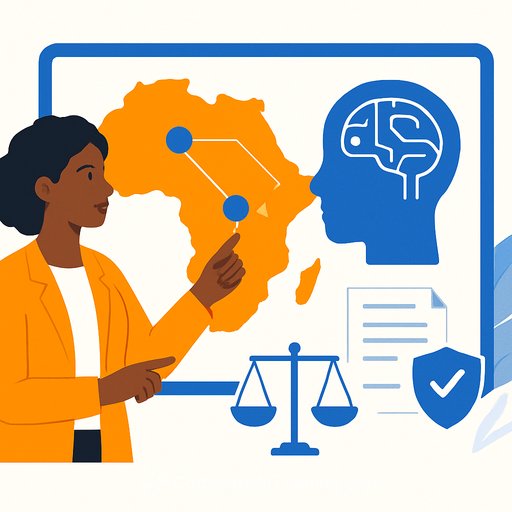
BHM has released a white paper that sets a new benchmark for AI governance in Africa's media and communications sectors. The report, "AI Ethics in Africa's Media and Communications: A Readiness Framework for 2026 & Beyond," gives PR and communications leaders a practical way to assess and improve how their teams use AI.
Authored by Femi Falodun, Executive Director at BHM and PhD candidate at Kent Business School, the research highlights a clear readiness gap. Professionals across Nigeria, Kenya, Ghana, and South Africa are testing AI tools, yet many don't feel prepared to manage the risks they introduce.
What the data says
- 73% feel only "somewhat confident" identifying cultural bias in AI-generated content.
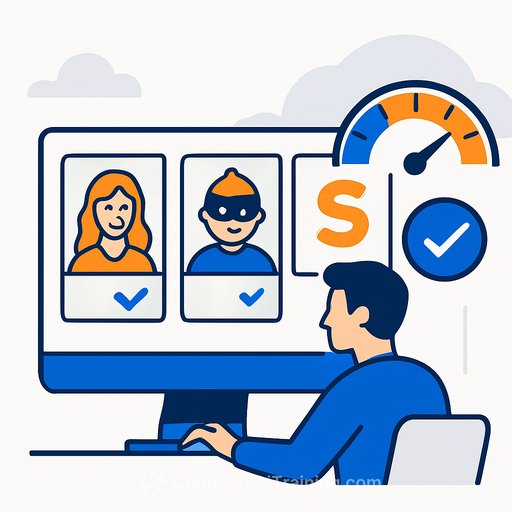
- 66% feel only "somewhat equipped" to spot AI-driven misinformation or deepfakes.
- 90% of organisations and sectors are not prepared for upcoming AI regulations.
"As Africa stands at a critical ethical crossroads in AI adoption, we have a unique opportunity to leapfrog global trends and establish ourselves as leaders in responsible, human-centric AI," says Ayeni Adekunle, BHM Founder and CEO. "This white paper is not just about keeping pace with technology; it's about defining how AI should be used responsibly in our industry while staying true to African values and cultural principles."
Inside the OMOLUABI-AWARE Model
At the core of the paper is the OMOLUABI-AWARE Model - a proprietary assessment framework that blends global AI standards with African philosophies like Omoluabi (moral character) and Ubuntu (collective responsibility). It's grounded in BHM's People Before Profit ethos and gives teams a structure to evaluate real-world use of AI across content, campaigns, workflows, and governance.
- Origin & Cultural Sensitivity
- Misinformation & Narrative Control
- Objective Understanding & Digital Literacy
- Language & Representation Awareness
- User Privacy & Data Protection
- Accountability & Transparency
- Bias Detection & Mitigation
- Integrity in AI Interactions
- Accessibility & Inclusion
- Workforce Readiness
- Accountable Governance
- Responsible Innovation
- Ethical Leadership
"The integration of African ethical principles with global AI standards represents a significant advancement in how we approach technology governance," says Femi Falodun. "This framework doesn't just adapt Western models; it creates something genuinely innovative that reflects Africa's unique cultural context while setting new global benchmarks for ethical AI adoption."
Why this matters for PR and communications teams
- Brand safety: AI can introduce hidden bias, errors, and reputational risk if left unchecked.
- Cultural nuance at scale: Content generation across languages and regions needs ethical guardrails.
- Misinformation defense: Deepfakes and synthetic media require new verification workflows.
- Regulatory readiness: Teams must prepare for requirements similar to the EU AI Act.
- Trust: Transparent disclosures and clear accountability build credibility with clients, audiences, and regulators.
Action plan: get ready for 2026 and beyond
- Stand up an AI ethics working group with cross-functional leads from PR, legal, HR, and IT.
- Adopt the OMOLUABI-AWARE Model as an internal audit tool; review key campaigns quarterly.
- Build a cultural review process for AI outputs (names, imagery, tone, idioms, and representation).
- Train teams to spot bias, verify sources, and identify deepfakes; document playbooks.
- Map data flows and consent practices for any AI use; minimize personal data exposure.
- Disclose AI usage in briefs and deliverables where relevant; define accountability for errors.
- Run incident response drills for AI-related issues (misinformation spikes, model errors, privacy breaches).
- Track upcoming regulation and align policies early; assign an owner for compliance.
Download and next steps
The white paper is available for download at: bhmng.com/AIEthicsWhitePape
This milestone builds on BHM's established research record, including the Africa PR and Communications Report, Concept of Virality, Nigeria PR Report, and UK Cost of Living Report. It's also a call for multi-stakeholder collaboration to build an inclusive AI ecosystem that protects culture and prioritises people.
If you're upskilling your comms team for AI ethics, strategy, and workflows, explore this practical path: AI certification for marketing specialists.
Your membership also unlocks: