
AI news ·
Bipartisan House lawmakers demand answers from Trump administration on Anthropic AI restrictions
House lawmakers are pressing the Trump administration to explain its sweeping restrictions on Anthropic's latest AI models and whether other AI firms should expect similar action.
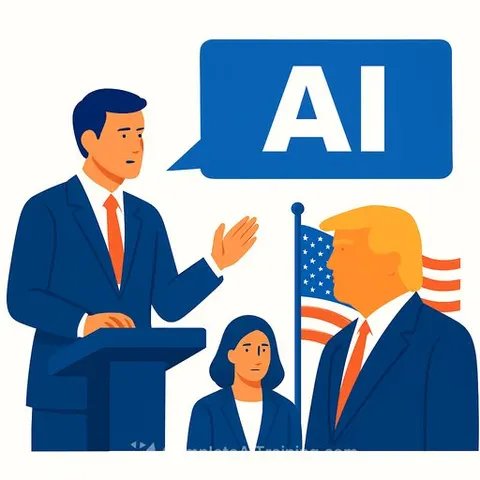
A bipartisan group of House lawmakers is pressing the Trump administration to explain its recent decision to impose sweeping restrictions on the latest artificial intelligence models from Anthropic. The lawmakers also want to know whether competing AI firms should brace for similar government action.
The restrictions, which were imposed without public explanation, have raised questions about the administration's approach to AI regulation and its potential impact on the competitive landscape. Lawmakers from both parties are concerned that uneven enforcement could distort the market and undermine U.S. leadership in AI development.
Demand for transparency
The House members are demanding details on the specific rationale behind the restrictions targeting Anthropic. Their inquiry includes a request for clarity on the criteria used to single out one company's models, as well as any plans to extend similar measures to other AI developers. The move signals growing congressional scrutiny of how the executive branch handles emerging technology.
For policy professionals tracking the intersection of government and AI, this episode underscores the need for a clear and consistent regulatory framework. The AI for Government training resources can help officials understand the technical and policy dimensions of such decisions.
Congressional questions about future action
A central concern for the lawmakers is whether the administration's action against Anthropic sets a precedent that could affect other companies. Without clear guidelines, tech firms may struggle to anticipate regulatory risk, potentially chilling innovation and investment in AI research.
The inquiry also reflects broader debates about the role of government in overseeing advanced AI systems. Understanding these dynamics is critical for those shaping policy. The AI Learning Path for Policy Makers offers a structured approach for building the knowledge needed to evaluate such regulatory actions.
Why this matters for government professionals
For those working in government, this development is a real-world case study in the challenges of regulating fast-moving technology. It highlights the tension between national security, economic competitiveness, and the need for transparency. As AI capabilities advance, public servants must be equipped to assess the fairness and impact of regulatory decisions-ensuring they are based on objective criteria rather than ad hoc judgments. The ability to ask the right questions and demand evidence will be essential to maintaining public trust and a level playing field for U.S. companies.