Influencer's AI-Generated Deepfake Raises Questions About Content Theft and Black Creators
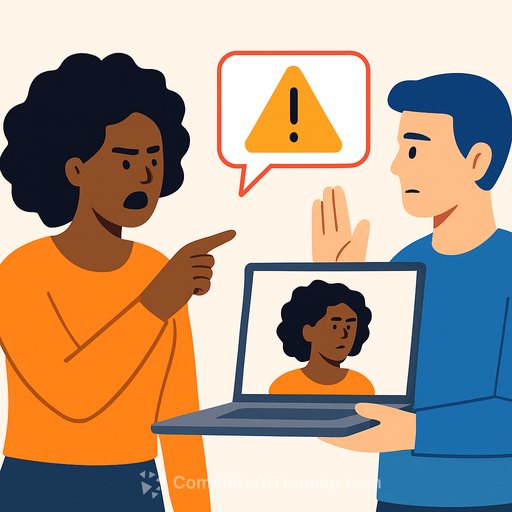
Beauty entrepreneur Tatiana Elizabeth called out fellow influencer Lauren Blake Boultier on March 30 for using AI to superimpose her face onto Elizabeth's original content and pass it off as her own work.
Elizabeth posted side-by-side comparisons showing Boultier's version matched hers down to specific details: the same outfit, watch, bag, and camera angle. Boultier had even geotagged Miami, while Elizabeth's original photo was taken at the US Open two years earlier.
"Bar for bar," Elizabeth wrote on Threads. "The weirdest part about this is that it's not even an AI influencer. This is a real person who used AI to put her head on my body."
After Elizabeth posted, Boultier removed the image and sent a direct message apologizing. She said her team used an AI tool to assist with workflow and claimed the image was generated during that process without her seeing Elizabeth's original.
A Familiar Pattern With New Tools
The incident highlights how generative art tools can accelerate existing dynamics of cultural appropriation. White creators have long profited from Black culture-from music and fashion to beauty and slang-often without credit or compensation to originators.
AI makes replication faster and easier. In an influencer economy where authenticity already carries fragile value, these tools threaten to let creators replicate the aesthetic, style, and lived experience of Black women without ever living it themselves.
Elizabeth spent over a decade building her career in content creation. She navigated being the only Black woman in certain spaces and grew her platform enough to be invited to the US Open by Serena Williams. The theft minimized that work.
"I think that it's completely and utterly disrespectful to take the work from someone else who has a smaller following than you and act like they don't exist," Elizabeth said in a video response.
What This Means for Followers and Creators
The controversy raises a separate problem: distinguishing real from fabricated in influencer spaces. Followers increasingly cannot tell who actually visited a location, tried a product, or experienced what they claim.
Elizabeth emphasized the responsibility influencers carry to their audiences. "You are on the internet trying to seem like you are doing something and being somewhere that you are not, when you know that you have people looking up to you," she said. "I think that that is so disrespectful to everyone that's following you, to not be transparent about these things."
She also warned viewers not to build insecurities based on online content. "Some people are living a very, very fake life," Elizabeth noted. "Do not believe everything that we see on the internet."
For creative professionals, the moment underscores why understanding AI design tools and their ethical implications matters-both for protecting original work and maintaining audience trust.
Your membership also unlocks: