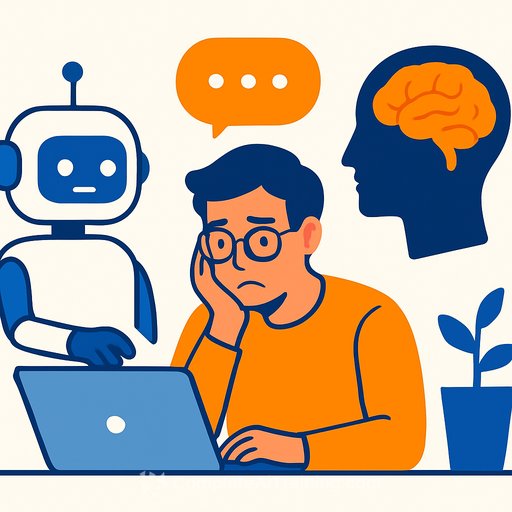
Can AI Replace Writers? Pilar Quintana Puts It Plainly
Colombian novelist Pilar Quintana believes AI could replace writers-at least for passable output. She shared a test: a friend fed the first chapter of her novel "Abyss" to an AI and asked it to write the rest. "It did, but the chapters were bland, without the spice. But I was surprised that it can do the job," she said.
Poet and activist Meena Kandasamy pushed back: "Can it be as brazen as we are capable of?" That tension-competence versus courage-sits at the center of this debate for working writers.
Why her take matters
Quintana's "Abyss" won the Premio Alfaguara and was a finalist for the National Book Award. Her earlier novel "The Bitch" drew major recognition as well. She has receipts-and a clear-eyed view of process.
The edge AI can't fake
AI can map structure, fill gaps, and keep pace. What it lacks is what Meena called "brazen"-the audacity to choose the sharp line, the uncomfortable truth, the lived detail that stings. Quintana's surprise wasn't that AI wrote; it's that it wrote something serviceable. Serviceable is the new minimum.
Process Notes from Pilar Quintana
"I am a planner. I plan my stories, but sitting in front of a computer to type them down is excruciating. But I thoroughly enjoy the process of rewriting." If you're a working writer, that's the hint: the draft is labor, the value is in the rework.
She started as a scriptwriter, which shaped her style. "Language must be used to serve the story… I want language to be invisible so that readers can live inside the world we create." Clarity first. Beauty second. Never the other way around.
On motherhood and truth
Quintana rejects the gloss. "We look at those advertisements of baby products where mothers come dressed up and looking good. No, we don't look like that as mothers. It is pain and effort." That stance is a craft lesson: skip the polish that lies; write what actually happens.
On labels and expectations
"I am a writer who happened to be a woman. It would be great if people see me as a human being. Male writers don't have to tell others how they write, why are we constantly asked to explain this?" The work should stand on its own. So should the writer.
Actionable Takeaways for Working Writers
- Draft to ship, rewrite to stand out. Treat the second and third passes as your real writing sessions.
- Plan before you type. Remove decision fatigue so you can spend energy on choices that create "spice."
- Make language invisible. If a sentence calls attention to itself, cut or simplify. Clarity beats clever.
- Choose the brazen line. Pick the detail that feels slightly risky. That's voice.
- Tell the unglamorous truth. If an ad would love it, your reader probably won't feel it.
- Use AI as an assistant, not an author. Let it outline, summarize, or suggest alt lines-then impose your taste and cuts.
A practical AI setup for writers
- Outline with AI. You control the beats; it fills variants. Keep only what strengthens intent.
- Draft quickly. Get a rough version on the page without fussing over phrasing.
- Rewrite in layers: structure, clarity, then texture (voice, image, rhythm). Stop when the language disappears and the scene breathes.
- Maintain a swipe file of "brazen" choices you admire. Reference it while cutting safe lines.
If you want to get sharper with AI without losing your voice, explore practical tools and trainings for writers here: AI tools for copywriting.
The bottom line
AI can do the job. Your job is to do the work AI won't: taste, truth, and fearless edits. That's the gap readers pay for-and the one worth defending.
Your membership also unlocks: