Defending Against DeepSeek: Congress’ Federal Firewall
A NATO ally recently identified China’s AI chatbot, DeepSeek, as a potential espionage tool for Beijing. On July 10, the Czech Republic’s National Cyber and Information Security Agency (NÚKIB) issued a warning that led to an immediate ban of DeepSeek on government devices. This move highlights growing concerns worldwide about China’s use of AI tools to collect sensitive information for state intelligence.
Adversarial AI as a National Security Threat
NÚKIB’s technical analysis concluded that DeepSeek almost certainly collects and stores user data, including chat histories and device information. Such practices raise serious concerns about data sharing and privacy. The agency also pointed to China’s national security laws, which compel Chinese companies to provide data to the government if requested.
Additionally, DeepSeek’s founder is linked to research on dual-use technologies—those that have both civilian and military applications—intensifying worries about the chatbot’s ties to China’s military. The Czech Republic isn’t alone; countries like Australia, South Korea, Italy, Taiwan, and the Netherlands have issued similar bans or warnings. In the U.S., agencies including the Navy and NASA have restricted DeepSeek’s use on government systems.
Congress Moves to Ban Foreign Adversary-Linked AI in Federal Use
U.S. lawmakers are taking notice of the risks posed by DeepSeek. A report by the Select Committee on the Chinese Communist Party labeled it a “profound threat” to national security and urged immediate congressional action to tighten export controls on Chinese AI models.
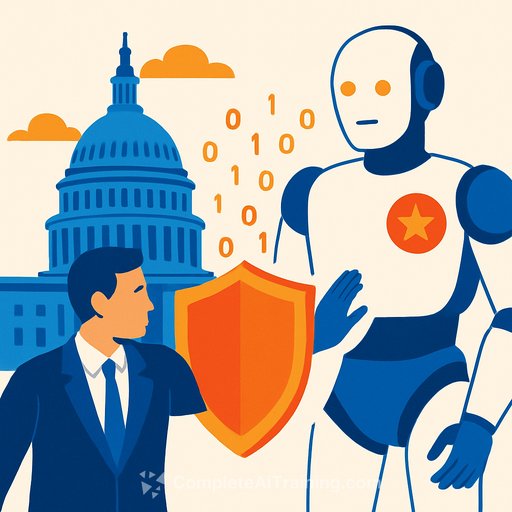
In late June, Congress introduced the bipartisan No Adversarial AI Act. This legislation would prohibit federal use of AI tools developed by China, Russia, Iran, and North Korea, except for narrowly defined purposes such as national security, research, training, and other critical functions. The bill mandates designated offices to maintain and update a public list of adversary-developed AI tools, effectively creating a "firewall" between foreign adversarial AI and government data.
However, this effort faces headwinds. The recent rollback by the Trump administration of export restrictions on Nvidia chips allows the sale of high-performance hardware to China. This could accelerate DeepSeek’s development and strengthen adversarial AI capabilities.
Implementation Challenges and Risks
Restricting adversarial AI use federal-wide could bolster cybersecurity and reduce reliance on risky foreign tools. But several obstacles remain. Cuts to federal AI technical staff have created a shortage of experts needed to research, identify, and manage high-risk AI systems.
The exemption process for critical exceptions could also cause delays. Agencies must submit written petitions for waivers, which then require expert review. Limited AI expertise and lengthy approval times could hinder mission-critical work. A similar issue occurred with bans on Chinese-made drones, where multiple agencies reported operational delays due to slow waiver processing.
Next Steps for Federal Agencies
- Increase AI expertise: Expanding the federal workforce with skilled AI professionals is vital for evaluating risks and managing adversarial AI restrictions effectively.
- Streamline exemption processes: Agencies should develop clear timelines and efficient pathways for waivers to avoid operational bottlenecks.
- Enhance interagency collaboration: Coordinated efforts can maintain continuity for research and mission-critical operations while enforcing AI tool restrictions.
Ensuring these measures will protect sensitive government data and maintain operational readiness without compromising research capabilities. Federal agencies must balance security concerns with the practical needs of AI adoption.
For government professionals interested in expanding their AI knowledge and skills to better address these challenges, exploring targeted courses in AI governance and security can be beneficial. Resources like Complete AI Training’s federal-focused courses offer practical guidance tailored for public sector roles.
Your membership also unlocks: