From Booking to Belonging: How AI Is Redefining the Hotel Guest Experience
Hospitality hasn't changed at its core. Guests still want to feel welcome, valued, and understood. What's changed is how we deliver it. AI is now a partner in building trust, predicting needs, and turning every touchpoint into something that feels personal.
The goal isn't flash. It's clarity, speed, and care that scales. When you get those right, booking stops being a transaction and starts feeling like a relationship.
Personalization Starts Before Arrival
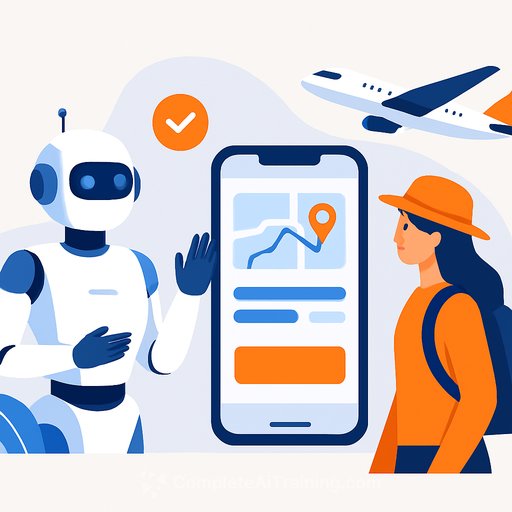
The relationship begins at search. Machine learning can read intent across browsing behavior, loyalty data, seasonality, and even social signals to surface options that make sense for each guest.
Think of a guest who loved a weekend coastal stay last summer. The next time they browse, your site highlights similar destinations, timely offers, and relevant add-ons. That shift from "here's everything" to "here's what fits" improves conversion and builds trust early.
Turn Guest Data Into Stays That Feel Made for Them
The upside of AI isn't automation. It's better context. Pull data from past stays, app usage, preferences, and feedback into one view, and the experience starts to feel effortless.
A frequent business traveler who books midweek and uses coworking spaces shouldn't get generic emails. They should see workspace perks, nearby coffee spots, and a suggested room with natural light and a desk. At check-in, the right room is already prioritized. In-room tech offers bandwidth upgrades or meeting space without forcing a request.
Every digital touchpoint becomes a chance to show you "get it." That's where loyalty is built now.
Seamless Service: AI as the Bridge Between Convenience and Care
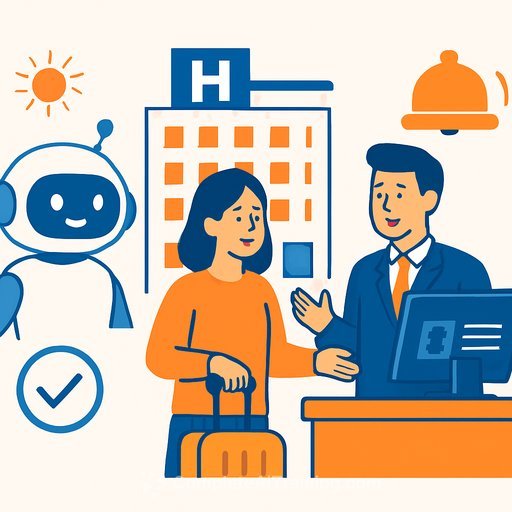
On property is where you win loyalty. AI for Customer Support - from assistants to chat tools - gives instant, multilingual support and routes tasks without bottlenecks. Ask for extra towels, and housekeeping gets the job, ETA is confirmed, and the follow-up happens automatically.
At Club Quarters, Amenti shows what this looks like in practice. The autonomous, guest-facing agent manages requests by text before, during, and after the stay. Guests get faster service; teams get time back for the human moments that matter-greeting by name, anticipating needs, and solving the edge cases with empathy.
Next up: moving from reactive to proactive. Reminders about dinner reservations, late checkout when flights are delayed, spa suggestions tied to the weather-service that anticipates, not just responds.
Marketing That Feels Like a Dialogue
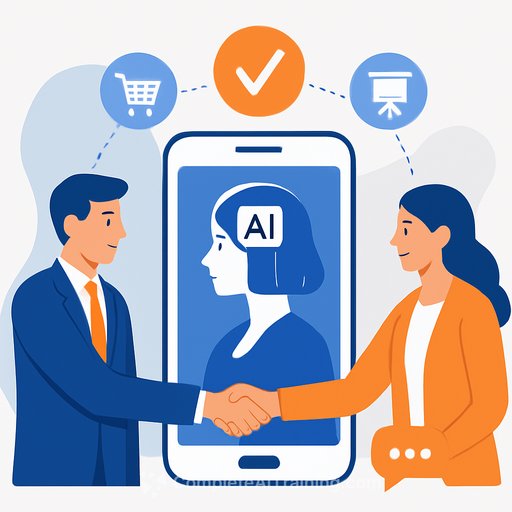
One-size-fits-all emails are dead. Predictive models let you segment with more precision and adjust content based on live engagement - learn more about AI for Marketing.
Families see family-friendly offers. Loyalty members approaching an anniversary get something meaningful. AI tunes channel, send time, and even creative elements in real time. Good marketing should feel like a helpful nudge, not a blast.
If you want a deeper read on the value of personalization done right, this overview is useful: McKinsey: The value of getting personalization right.
Smarter Pricing, Fairer Value
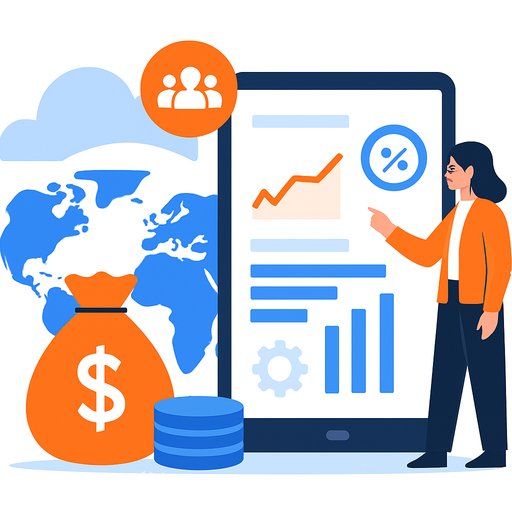
AI expands revenue management beyond historical data. It can weigh live signals-flight bookings, local events, weather, and macro trends-to adjust price, inventory, and add-ons in a way that feels fair.
Expect more targeted offers in soft periods and smart packaging based on interests. When demand spikes, offer premium options like early check-in or dining credits rather than blanket rate hikes. Hotels optimize revenue; guests get options that make sense.
Break Down Silos: See the Whole Guest
The magic happens when systems connect. Reservations, PMS, CRM, messaging, loyalty-use AI to unify them into a single profile that updates in real time.
Marketing gets sharper. Operations gets ahead of requests. Revenue forecasting gets cleaner. Most importantly, the guest experience feels consistent from website to checkout.
What's Coming Next
- Predictive service: Late checkout offered automatically, activities suggested by forecast, favorite drink ready on arrival.
- Voice-led interactions: In-room and mobile voice that feels natural and actually gets things done.
- Sustainability in action: Smarter energy use, reduced waste, and opt-in programs that match guest preferences.
- Hyper-local curation: Itineraries based on interests that connect guests to the neighborhood-food, culture, and community.
How to Put This to Work Now
- Map one path end-to-end: Pick a guest segment and outline every touchpoint from search to post-stay. Fix the friction first.
- Start with consented data: Clean your CRM. Standardize fields. Define preference capture in plain language.
- Pilot one assistant: Launch a chatbot tied to your PMS/work-order system. Measure resolution time and CSAT.
- Automate a single win: Auto-assign rooms based on known preferences. Report the before/after on satisfaction and ops time saved.
- Personalize comms lightly: Subject line + two content blocks based on behavior is enough to see lift.
- Set guardrails: Privacy, escalation paths, tone, and response times. Make it clear when a human steps in.
Human at Heart
AI doesn't replace hospitality. It gives your team the time and context to deliver it with more focus. The smile at the desk, the intuition to solve a problem before it becomes one, the small moment that guests remember- that's still human work.
The win is simple: use intelligent systems to make service faster, communication clearer, and decisions smarter. Then put people where they matter most.
Further learning
If you're building AI skills for your team, these resources can help: AI courses by job role.
Your membership also unlocks: