Boston to require AI proficiency for high school graduation
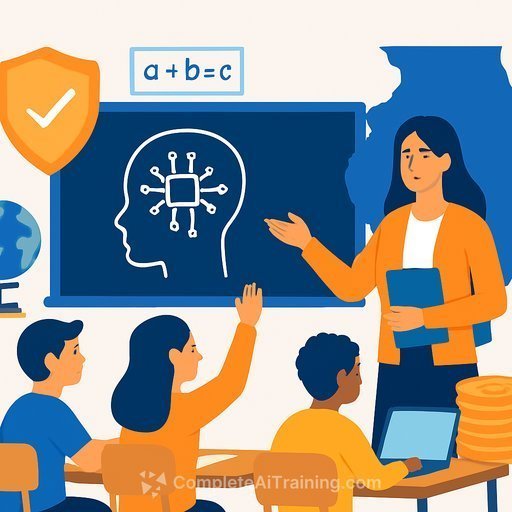
Boston Public Schools will require all high school students to graduate with AI proficiency, making the city the first major U.S. school district to implement such a mandate. Mayor Michelle Wu, Superintendent Mary Skipper, and tech entrepreneur Paul English announced the initiative Thursday.
Paul English, co-founder of Kayak, is investing $1 million to fund the program. AI courses will be developed in collaboration with UMass Boston before rolling out to Boston Public Schools in September 2026, ahead of the 2027 school year.
The curriculum will focus on practical skills rather than theoretical knowledge. One student at Eliot Innovation School in the North End, who already uses AI weekly, said the technology "helped me think more deeply about my answers" while still requiring "the hard part, the brain work."
Why Boston is moving on this now
Wu framed the initiative as preparation for students' futures. "This is about empowering our young people to have every bit of knowledge and understanding and fluency to make the most of the choices in front of them," she said.
English connected the effort to Boston's economy. "Boston is known as a city of innovation," he said. "Their training at Boston Public Schools will advance their companies in AI in Boston."
The partnership builds on Wu's call for every sector of the city to invest in student success. Schools will work with external partners to develop relevant, job-ready curriculum.
What this means for educators
Teachers implementing the new courses will need support. Resources like the AI Learning Path for Teachers can help educators build their own AI knowledge before teaching students.
For more context on AI in education settings, see AI for Education.
Your membership also unlocks: