
AI news ·
Brands face legal risks as AI washing and dark patterns draw regulatory scrutiny
Brands that overstate AI capabilities or use manipulative interface designs face growing regulatory action from the FTC and EU enforcers. Legal teams should audit both marketing claims and user interfaces before scrutiny arrives.
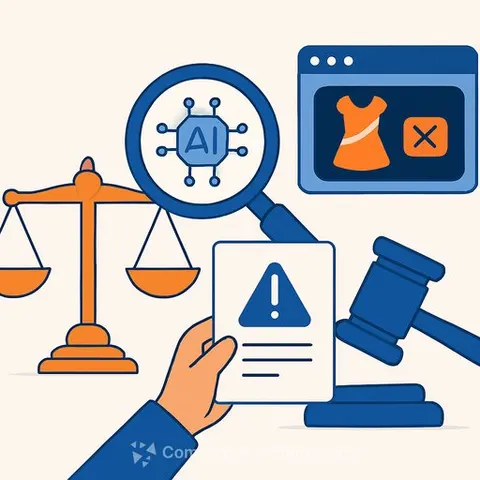
AI washing and dark patterns create new legal risks for brands
Brands face mounting legal and reputational pressure as artificial intelligence reshapes advertising and user experience design. Two practices-AI washing and dark patterns-are drawing regulatory scrutiny and creating fresh liability concerns for in-house counsel.
AI washing refers to companies making misleading claims about their use of artificial intelligence. Dark patterns are interface designs deliberately engineered to manipulate user behavior. Together, they present a minefield for trademark holders and brand managers.
What's driving the risk
As companies deploy AI to personalize ads, recommend products, and shape user journeys, the gap between marketing claims and actual capability widens. A brand claiming "AI-powered" features may be using simple automation. Marketing materials may overstate the intelligence or autonomy of systems that are far more limited in practice.
Dark patterns compound the problem. They use interface tricks-hidden costs, pre-selected boxes, confusing navigation-to steer users toward outcomes that benefit the company, not the consumer. When combined with AI claims, they create a credibility crisis.
The trademark angle
Trademark law protects brands from dilution and misuse. Misleading AI claims can damage brand equity and expose companies to consumer protection enforcement. Regulators in the EU and US are already scrutinizing deceptive practices in digital advertising.
Dark patterns that trick users into sharing data or making purchases can trigger trademark disputes if they involve competitor brands or create confusion about product origin. The reputational cost often exceeds the legal one.
What in-house teams should do
Review all marketing claims about AI capabilities with the same rigor applied to other product assertions. If a system uses machine learning for recommendations, say that-don't call it "intelligent" or "autonomous" without justification.
Audit user interfaces for dark patterns, particularly in checkout flows, data collection, and consent mechanisms. Document design decisions. If regulators investigate, the reasoning behind interface choices matters.
Train marketing and product teams on the distinction between AI capability and marketing narrative. The cost of correction now is lower than the cost of regulatory action or consumer backlash later.
For legal professionals managing these issues, understanding how AI for Legal applications work-and their limitations-helps identify where claims may overstate reality. Teams may also benefit from the AI Learning Path for Paralegals, which covers document review and contract analysis skills useful for auditing marketing materials and terms of service.
The enforcement picture
Enforcement is uneven but accelerating. The FTC has challenged AI washing in consumer tech. EU regulators are building dark pattern enforcement into digital services rules. Brands cannot assume that vague language or buried disclosures will protect them.
The stakes are straightforward: consumer trust, regulatory compliance, and brand value. Companies that separate marketing narrative from technical reality will face fewer headwinds as scrutiny intensifies.