
AI news ·
Brands risk becoming invisible as consumers turn to AI for purchase decisions, Accenture finds
34% of consumers will leave their preferred brand for one that makes them feel valued, per an Accenture survey of 18,000+ people. AI now ranks second only to physical stores as a purchase guide-ahead of social media and friends.
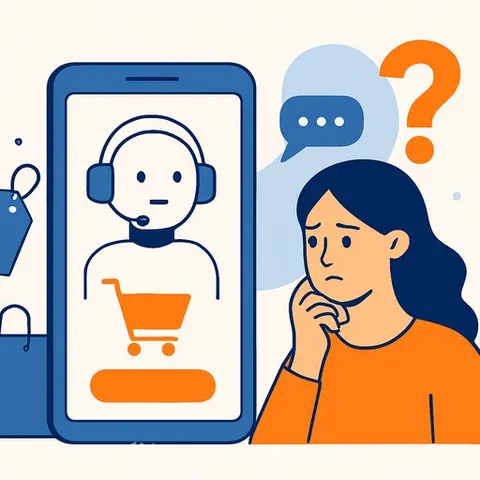
Emotional Connection Now Trumps Brand Loyalty as AI Reshapes Shopping
Thirty-four percent of consumers will abandon their preferred brand for one that makes them feel special, according to an Accenture survey of more than 18,000 people across 14 markets. The shift reflects a fundamental change in how people discover and evaluate brands as generative AI becomes embedded in daily purchasing decisions.
The findings matter because they signal that price and convenience-traditional competitive advantages-are no longer enough. Brands that win will be those that create emotional experiences AI cannot reduce to algorithms.
AI Now Rivals Physical Stores as a Purchase Guide
Seventy-two percent of consumers use generative AI regularly. Among active users, 36% describe the technology as a "good friend," and nearly one in 10 rank AI as their single most trusted source for purchase recommendations.
AI now ranks second only to physical stores as a purchase recommendation channel-ahead of social media, online marketplaces, and friends and family. Three-quarters of consumers say they would use a trusted AI-powered personal shopper capable of understanding their needs and making purchases on their behalf.
This matters for marketing teams because it means traditional discovery channels are becoming less relevant. Brands that don't appear in AI recommendations risk becoming invisible to consumers who increasingly outsource shopping decisions to machines.
The Authenticity Problem
Forty-five percent of consumers said AI-generated content lacks personability. Forty-one percent questioned its authenticity. This creates a paradox: consumers trust AI for recommendations but distrust AI-generated marketing messages.
Brands face pressure to balance automation with human connection. The technology can scale personalization, but trust still comes from the brand experience itself, not from the AI layer.
What Brands Must Do Differently
Brands should focus on three areas:
- Emotional storytelling and immersive experiences that AI cannot commoditize
- Visibility within large language model ecosystems through high-quality, legible data and real-time commerce signals
- Authenticity and distinctiveness rather than speed alone
The risk is not being misunderstood. It is being invisible. As generative AI and LLMs transition from novelty tools to trusted guides, brands must ensure they actively co-author the customer journey alongside algorithms rather than being represented by them.
In markets like Singapore, where digital maturity is high, brands must move beyond traditional search optimization to what experts call "GEO"-ensuring presence in AI recommendation systems through better data quality and real-time commerce signals.
The Broader Shift: Agentic AI
Beyond marketing, autonomous AI systems that can complete tasks and make purchasing decisions without human input will reshape consumer journeys entirely. This could bypass conventional touchpoints like banner ads and search engines altogether.
The challenge for marketing teams is preparing for a world where the traditional funnel no longer applies. Consumers may never see your ads or visit your website. They'll ask an AI agent what to buy, and the agent will decide.
Trust becomes the only currency AI cannot commoditize. Brands that combine AI for marketing capabilities with authentic human connection will compete more effectively than those relying on either alone.
Southeast Asia is ahead of the curve. Nearly half of organizations in the region have moved beyond AI pilot stages, with Singapore leading adoption. As more companies implement AI across business functions, the competitive advantage will shift to those that understand emotional engagement is not optional-it is essential.