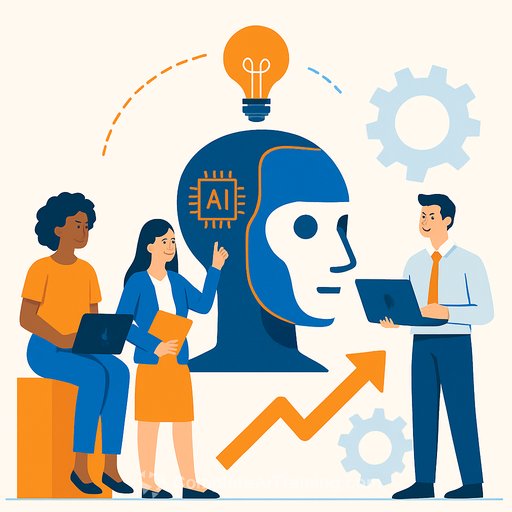
Thought Leaders Building Confidence in AI: Training Programs Help Close Knowledge Gaps
AI is transforming the workforce at a fast pace, but training efforts are lagging behind. While 25% of executives feel optimistic about AI, only 12% of workers have received AI-related training in the past year. This lack of preparation slows down safe and effective AI adoption and fuels employee uncertainty about how AI will affect their jobs. As enthusiasm among leadership grows but employee hesitation persists, organizations must invest in training tools that build AI confidence and support this new phase of innovation.
AI will enhance, not replace
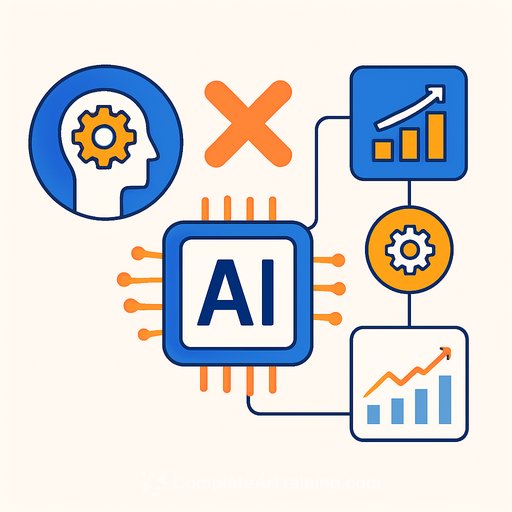
The key to building AI confidence lies in helping employees see how AI fits into their roles. Contrary to common misconceptions, AI is rarely intended to replace employees. Companies that focused on replacing humans with AI often fail to meet their expected returns. Instead, AI’s real value lies in augmenting employee skills, boosting productivity, and improving competitiveness.
By automating routine and administrative tasks, AI frees employees to focus on higher-value work. However, this benefit only comes with effective training. Without it, employees may worry about data privacy, bias, and errors. Upskilling and cross-skilling are essential to help employees use AI responsibly and confidently.
Upskilling vs cross-skilling
Both upskilling and cross-skilling expand employee capabilities, and both are critical when adopting AI. Upskilling strengthens existing skills and helps employees advance within their current roles. For example, IT leaders with a tech background can be trained to deepen their AI expertise.
Cross-skilling (or cross-training) focuses on developing new skills that apply across different functions and involves training multiple employees on shared tasks. For instance, a marketing leader with limited tech experience can learn AI tools relevant to their role. Combining AI adoption with cross-skilling ensures all employees can effectively use AI according to their responsibilities.
Benefits of training in the age of AI
As industries evolve, employee skills and knowledge remain the foundation of innovation. Employees want meaningful work and impact. When corporate goals align with these ambitions, engagement improves. AI also helps reduce tedious tasks, boosting job satisfaction.
In a competitive market, meeting these needs and retaining top talent is essential for sustained growth. While some argue AI-skilled workers will replace others, 79% of learning and development professionals say reskilling existing employees is more cost-effective than hiring new talent.
Upskilling and cross-skilling in action
If your organization hasn’t incorporated upskilling and cross-skilling yet, here are practical steps to begin:
- Assess Current Skillsets: Start by surveying your workforce to identify existing AI knowledge and gaps. Understanding what skills employees already have and what they need builds a clear training foundation.
- Set Attainable Goals: Define clear objectives for individual employees, teams, and the organization. Know the “why” behind your training programs and focus on where growth is needed.
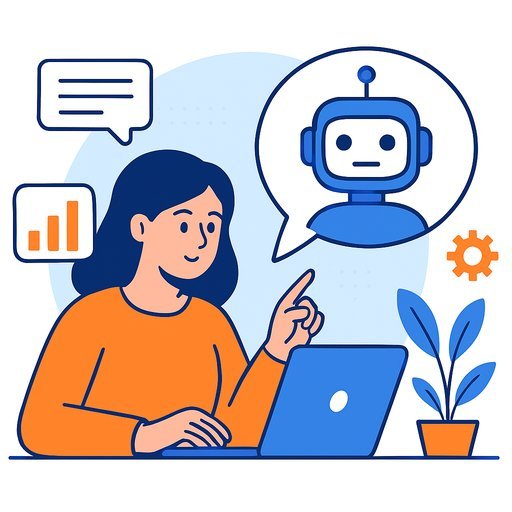
- Rethink Learning Formats: Traditional live or in-person training often falls short. Consider video-based learning that offers flexibility and suits different learning styles, especially for complex topics like AI.
- Prioritize Responsible AI: Train employees on data privacy, security, and governance best practices. Establish frameworks to detect bias and validate AI outputs. Developing “AI champions” within your teams can help spread effective and safe AI use.
- Monitor and Promote: Encourage employees to take on new responsibilities with AI and reward creative efforts that improve efficiency and innovation.
The bottom line
AI promises significant benefits for the workplace, but employees determine success. Regardless of role or background, a solid foundation in AI enhances careers and business performance. By combining upskilling for tech-savvy employees with cross-skilling across departments, organizations can improve engagement, retain talent, and build competitive expertise.
For IT and development professionals seeking to expand their AI knowledge, practical training resources are available. Explore comprehensive AI courses and certifications at Complete AI Training to build the skills needed for today’s AI-driven environment.
Your membership also unlocks: