AI in Healthcare and Life Sciences: What Scales, What Matters
AI is moving from pilot to practice across healthcare and life sciences. Over half of organizations report using AI, and 73% say results meet or exceed expectations. The upside is real: cleaner data, faster data collection, and shorter clinical timelines.
The hard part is scaling without losing trust. Patient safety, regulatory scrutiny, and data integrity raise the bar. The lessons learned here work everywhere-but they're forged in a sector where mistakes have consequences.
Why Healthcare Sets a High Bar
Data is the first gate. Late-stage trials now average 3.6 million data points-a sevenfold increase in two decades. That data is scattered across legacy systems, mixed formats, and inconsistent standards. If the inputs are off, the model is off.
Regulation isn't a checkbox. AI must be explainable, auditable, and trained on high-quality, regulatory-grade data. Errors don't just cost money; they can put patients at risk and jeopardize a study.
Privacy and ethics sit at the core. Compliance with frameworks like HIPAA and GDPR is necessary, but trust demands more-transparency, clear consent practices, and disciplined data stewardship.
And black boxes don't fly. Clinicians, sponsors, and regulators need to see how a recommendation was made, especially if it touches trial design or patient care.
Practical Lessons You Can Use Now
- Start with high-quality, standardized data. Define sources, standards, and quality checks early. Make "regulatory-grade" your baseline, not a stretch goal.
- Design for the full workflow. Think end-to-end: protocol design, site selection, enrollment, data review, safety, and reporting. Point solutions create gaps; lifecycle design compounds value.
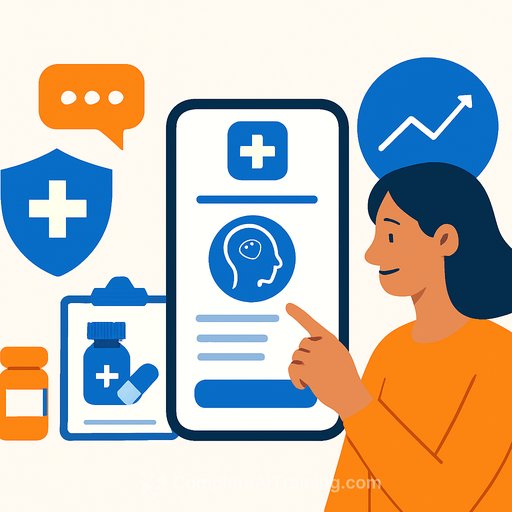
- Treat security and privacy as product features. Encryption, access controls, monitoring, and incident playbooks are table stakes. Trust is earned by how you operate on the worst day.
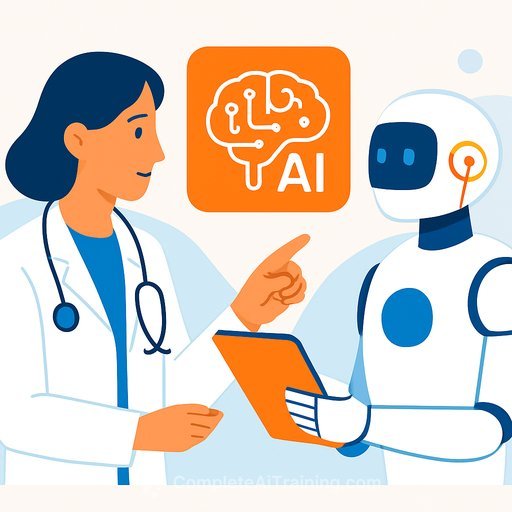
- Keep humans in the loop. Use explainable, traceable systems that support expert oversight. Every insight should be defensible.
- Build multidisciplinary teams. Pair data scientists with clinicians, study ops, QA/RA, legal, and end users. The best models solve real problems because the right people shaped them.
AI in Action: Data, Experience, Operations
Data operations. Embedded AI can reconcile multimodal, multi-source data and flag anomalies in near real time. Teams move faster with fewer manual reviews-and fewer missed signals.
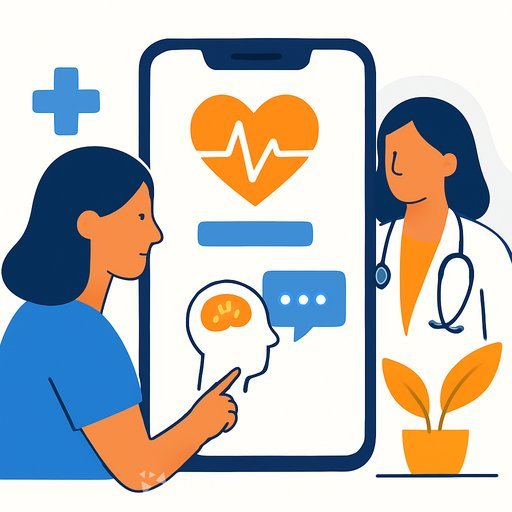
Patient and user experience. Systems can learn when a participant is most likely to open a reminder, or surface answers about appointments and personal health data through simple chat interfaces. Personalization here isn't superficial; it improves response rates and reduces drop-off.
Study operations. Predictive models help optimize protocol design, recruitment, and site performance. AI copilots can scan site activity, spot issues early, and recommend corrective actions-reducing protocol deviations and boosting investigator satisfaction.
The same patterns carry to other sectors: monitor supply chains, preempt disruptions, and suggest adjustments-without adding complexity for frontline teams.
A Working Framework for AI Leadership
- Start with problems tied to mission and metrics. Define the outcome upfront: fewer amendments, faster closeout, higher data quality, better patient experience.
- Stand up responsible governance. Set policies for data use, model risk, documentation, and approvals. Decide what "explainable enough" means for your context.
- Operationalize model lifecycle. Versioning, monitoring, drift detection, retraining schedules, and clear rollback paths. AI isn't fire-and-forget.
- Design for audit from day one. Preserve inputs, features, model versions, and rationale. Make it easy to show your work.
- Invest in people. Train clinical, data, and operations teams to work with AI systems, not around them. Upskilling multiplies ROI and reduces friction.
What's Next
In life sciences, the promise is clear: better treatments, delivered sooner, with less waste. Across industries, the win is similar-save people time and money so they can focus on high-value work and human connection.
The edge won't come from chasing hype. It will come from clear problems, clean data, thoughtful design, and teams that blend technical skill with domain judgment. Do that, and AI becomes a dependable part of how you deliver care and run your business-day in, day out.
Your membership also unlocks: