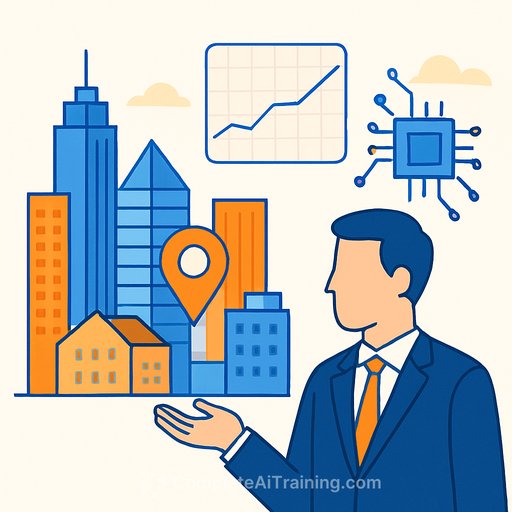
Building Twin Market Overview
The Building Twin Market was valued at USD 2.1 billion in 2024 and is expected to reach USD 24.0 billion by 2032, growing at a CAGR of 35.24% between 2025 and 2032. This growth is driven by the rising demand for real-time building performance monitoring, predictive maintenance, and energy efficiency optimization within construction and real estate sectors.
By integrating Internet of Things (IoT), Artificial Intelligence (AI), and Building Information Modeling (BIM) technologies, building twins enhance decision-making, improve lifecycle management, and reduce operational costs. Smart city initiatives and a growing focus on sustainable infrastructure are also accelerating the adoption of building twin solutions worldwide.
U.S. Building Twin Market Growth
The U.S. market is projected to expand from USD 0.3 billion in 2024 to USD 3.8 billion by 2032, with a CAGR of 36.7%. Key growth factors include rapid adoption of smart building technologies, increased infrastructure modernization investments, and IoT and AI integration for real-time data analytics. Additionally, government policies promoting energy-efficient construction support demand for digital twin solutions.
Key Players
- Microsoft Corporation
- Siemens AG
- IBM Corporation
- Oracle Corporation
- Schneider Electric SE
- Johnson Controls International plc
- General Electric Company
- PTC Inc.
- Trimble Inc.
- Dassault Systèmes SE
Building Twin Market Report Scope
- Market Size in 2024: USD 2.1 Billion
- Market Size by 2032: USD 24.0 Billion
- CAGR: 35.24% from 2025 to 2032
- Base Year: 2024
- Forecast Period: 2025-2032
- Historical Data: 2021-2023
- Report Coverage: Market Size, Segments Analysis, Competitive Landscape, Regional Analysis, DROC & SWOT Analysis, Forecast Outlook
Key Drivers
Increased efficiency and automation are pushing smart building technology adoption, supporting the growth of building twins.
Market Segmentation
By Component
Software Segment Dominated with 64% Market Share in 2024
Software platforms lead the market by enabling real-time tracking, predictive analytics, and energy optimization. The integration of AI, IoT, and machine learning into software solutions helps improve sustainability and cost efficiency.
By Application
Facility Management Leads, Smart Automation to Grow Fastest
Facility management held the largest revenue share in 2024, balancing occupant comfort and operational costs effectively. The smart automation segment is forecasted to grow quickly from 2025 to 2032, fueled by advances in AI, IoT, and machine learning technologies.
By End-Use
Commercial Segment Dominates, Industrial Segment Growing Rapidly
The commercial sector accounted for 45% of market revenue in 2024, driven by adoption in office buildings, retail centers, and real estate. The industrial segment is expected to see the fastest growth, supported by automation trends in manufacturing, warehousing, and logistics.
Regional Analysis
North America Leads, Asia Pacific Growing Fastest
North America held a 41% revenue share in 2024 due to early smart building technology adoption and substantial investments in smart city and sustainability projects. Asia Pacific is poised for the fastest growth, driven by rapid urbanization, booming construction activities, and large smart city initiatives.
Conclusion
The building twin market shows strong growth potential across emerging economies, backed by government mandates on sustainability and increased focus on managing operational and energy expenses effectively.
Your membership also unlocks: