AI in Film: What Creatives Took Away from FOCUS
Film London brought a full slate to FOCUS, and kicked things off with a packed session: AI in film: a new creative dialogue. The goal was simple-pull the narrative out of tech hype and put it back in the hands of filmmakers.
On stage were Jordan McGarry (Film London), BIFA-nominated writer-director-producer Georgia Goggin (Pretty Red Dress, We Love Moses), and Screen Star of Tomorrow Ben Aston (He Took His Skin Off For Me, Russian Roulette). The conversation was honest, practical, and grounded in a cross-UK/Lebanon pilot exploring how AI might support different stages of the process.
The point: AI doesn't replace the creative core
From the jump, the panel made it clear: the human drive to make meaning is the engine. AI can handle certain tasks, but it shouldn't erode your process or your fingerprint. Use it like a tool, not a co-author.
Georgia's test: smart-sounding notes, shaky substance
Georgia tried ChatGPT as a development exec. It gave polished feedback and industry-speak-but folded under pressure. "It would always rather affirm what I was trying to do rather than provide an uncomfortable truth," she said. A human producer flagged the real issue instantly: an early draft had no conflict.
She also ran into problems with authentic Lebanese dialogue, names, and geography. Too much prompting, too little trust. "It would constantly offer me something untrue in place of facts because it's designed to please… That shredded my faith in the platform."
Ben's view: useful assistant, boring artist
Ben went deep because he was worried about the hype-myth. His take: treat AI like a very knowledgeable, very dull friend. Great at certain tasks, not so great at taste.
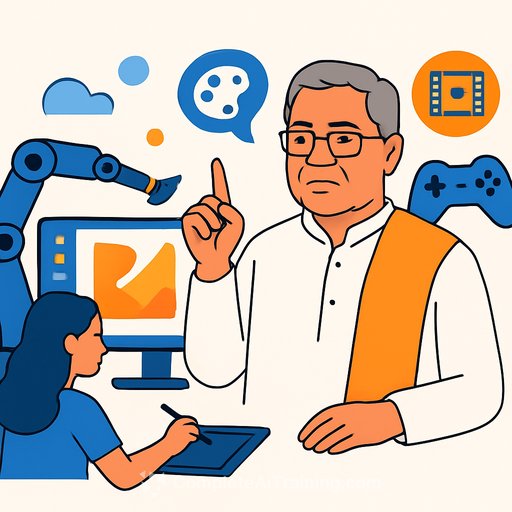
He pointed to real utility in rotoscoping, compositing, and pick-ups. Visual fidelity is improving. But the most striking outputs often feel like "nightmare scat jazz"-interesting, not necessarily usable without vision and restraint.
The creative non-negotiable
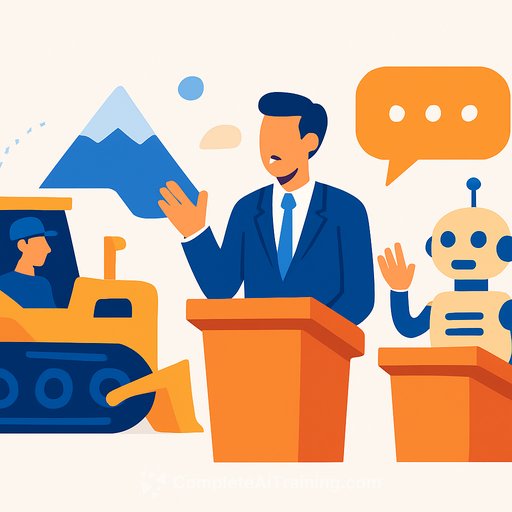
Georgia's analogy landed hard: "It sometimes seems like the end goal of all this is to allow someone to make a film on their own. For me, that's like saying the solution to climbing Mount Everest is to bulldoze Mount Everest." Constraints, collaboration, and friction make the work what it is.
Practical takeaways for filmmakers and teams
- Use AI for production support: rotoscoping, comps, continuity checks, pick-ups planning, documentation-low-risk, high-repeat tasks.
- Don't let it "notes-wash" your draft. Seek human producers and peers for hard truths about conflict, motivation, and clarity.
- Treat cultural and linguistic details as sacred. Verify with native speakers and on-the-ground sources; do not outsource authenticity.
- Track the time cost. If prompting takes longer than doing the work, pull the plug.
- Protect your process. Define where AI fits so it doesn't flatten your voice or choices.
- Keep the experiment mindset-but set guardrails. Test, review, and document what actually helps your pipeline.
What's next
AI In Film: A New Creative Dialogue is a project by Fondation Liban Cinema in collaboration with Film London, supported by the British Council International Collaboration Grants. Two new short films from the scheme will screen at the London Short Film Festival in 2026, with a report on findings due in the new year.
Skill up without losing your voice
If you're testing AI for development or pre/post workflows, sharpen your prompting and review habits so you get signal, not noise. A focused starting point: prompt engineering basics for creatives.
Bottom line: use AI where it buys you speed or options. Keep the story and taste in human hands.
Your membership also unlocks: